
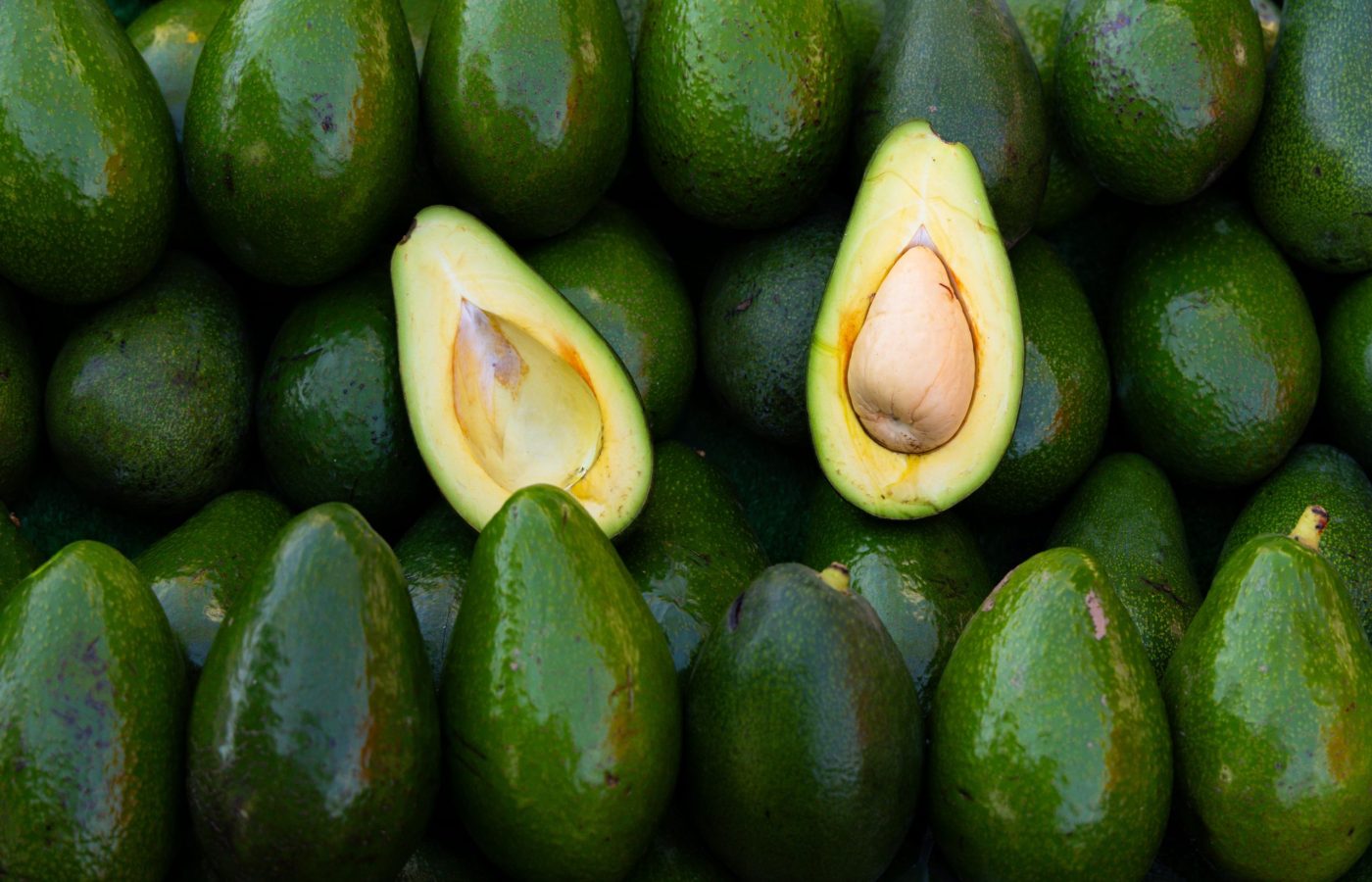
Avocado Business in Kenya: Farming, Trading and Export Opportunities

NAIROBI, Kenya — October 30, 2026
Kenya’s avocado industry is attracting growing attention as international demand for the fruit creates opportunities across agriculture, commodity trading and export businesses. From smallholder farmers and agricultural investors to independent produce aggregators and international exporters, the avocado value chain offers several ways to participate in a market that generated approximately KSh20.8 billion in export earnings in 2025.
However, a fresh regulatory development has exposed an important weakness in the industry. Kenya has suspended avocado exports by sea from October 30, 2026, after the Agriculture and Food Authority (AFA) determined that available supplies of export-ready fruit were insufficient to sustain shipments.
The development, affecting Hass, Fuerte, Pinkerton and Jumbo varieties, raises questions about production capacity, supply consistency and the ability of Kenyan businesses to meet international demand throughout the year.
Importantly, the suspension does not amount to a complete ban on avocado exports. Air shipments remain permitted, subject to inspection, clearance and traceability requirements.
Kenya’s Avocado Industry: A Growing Export Business
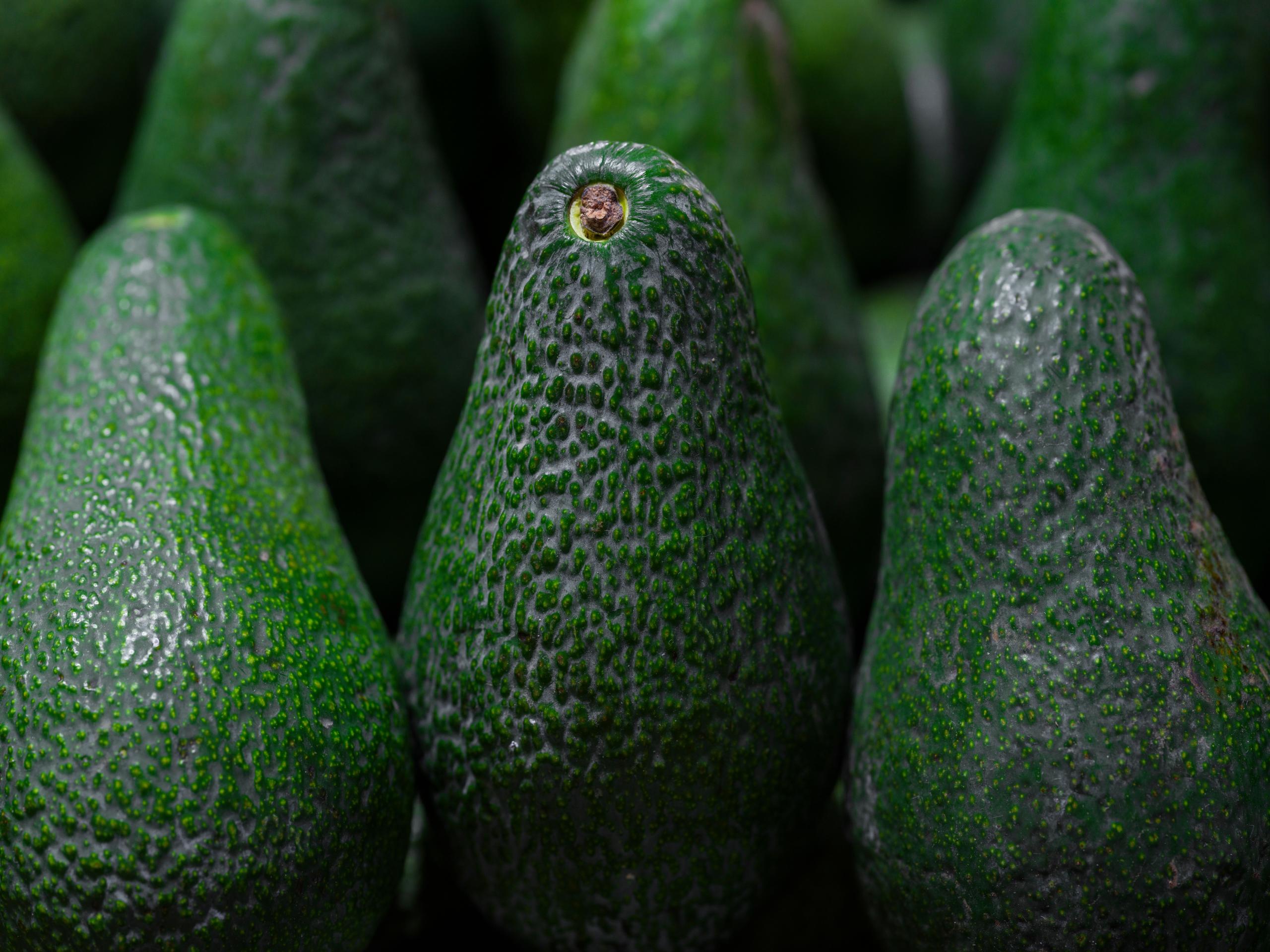
Kenya has established itself as one of Africa’s leading avocado producers and exporters, benefiting from favourable growing conditions, an established horticultural industry and access to international markets.
According to World Bank World Integrated Trade Solution (WITS) data based on UN Comtrade, Kenya exported approximately 120,893 tonnes of fresh or dried avocados in 2025, generating export revenue of about US$160.1 million, equivalent to approximately KSh20.8 billion.
The Netherlands was the largest destination by export value, accounting for approximately US$38.8 million, followed by the United Arab Emirates at US$30.9 million. Spain and France were also significant destinations.
The United States Department of Agriculture’s Foreign Agricultural Service (USDA FAS), in its April 2026 Kenya avocado report, estimated that production reached approximately 694,000 tonnes in 2025, with a forecast increase to around 727,000 tonnes in 2026.
These figures illustrate the difference between total national production and the smaller quantity entering international export channels. Not every avocado grown in Kenya meets the variety, maturity, appearance, size and quality requirements of overseas buyers.
Why Kenya Has Suspended Avocado Sea Exports
In its October 29, 2026 report, Business Daily Africa explained that AFA’s decision followed a nationwide assessment indicating that supplies of export-ready avocados were insufficient to sustain sea shipments.
The suspension covers Hass, Fuerte, Pinkerton and Jumbo varieties from October 30. Avocado oil processors are also affected by the harvesting-season closure. Existing oil stocks intended for export during the closure must undergo advance verification, while imports of avocado fruit for oil processing have also been suspended to prevent the harvesting of immature local fruit under the guise of processing imported produce.
The regulator’s decision is partly a quality-protection measure. International buyers expect mature fruit with acceptable eating quality. Premature harvesting can result in poor ripening, disappointing consumer experiences and loss of confidence in Kenyan suppliers.
Sea freight is particularly important because it allows exporters to transport large consignments at comparatively lower unit costs. Industry estimates cited by Business Daily place air freight at approximately US$4.50–US$6 per kilogramme, compared with around US$4 per kilogramme for sea freight, although actual charges depend on routes and shipment arrangements.
At these indicative rates, transporting one tonne by air could cost an additional US$500–US$2,000 compared with sea freight, before other export expenses.
This creates a difficult environment for exporters handling large volumes and may reduce the prices they are prepared to offer farmers.
What Makes Avocado Farming Attractive in Kenya?
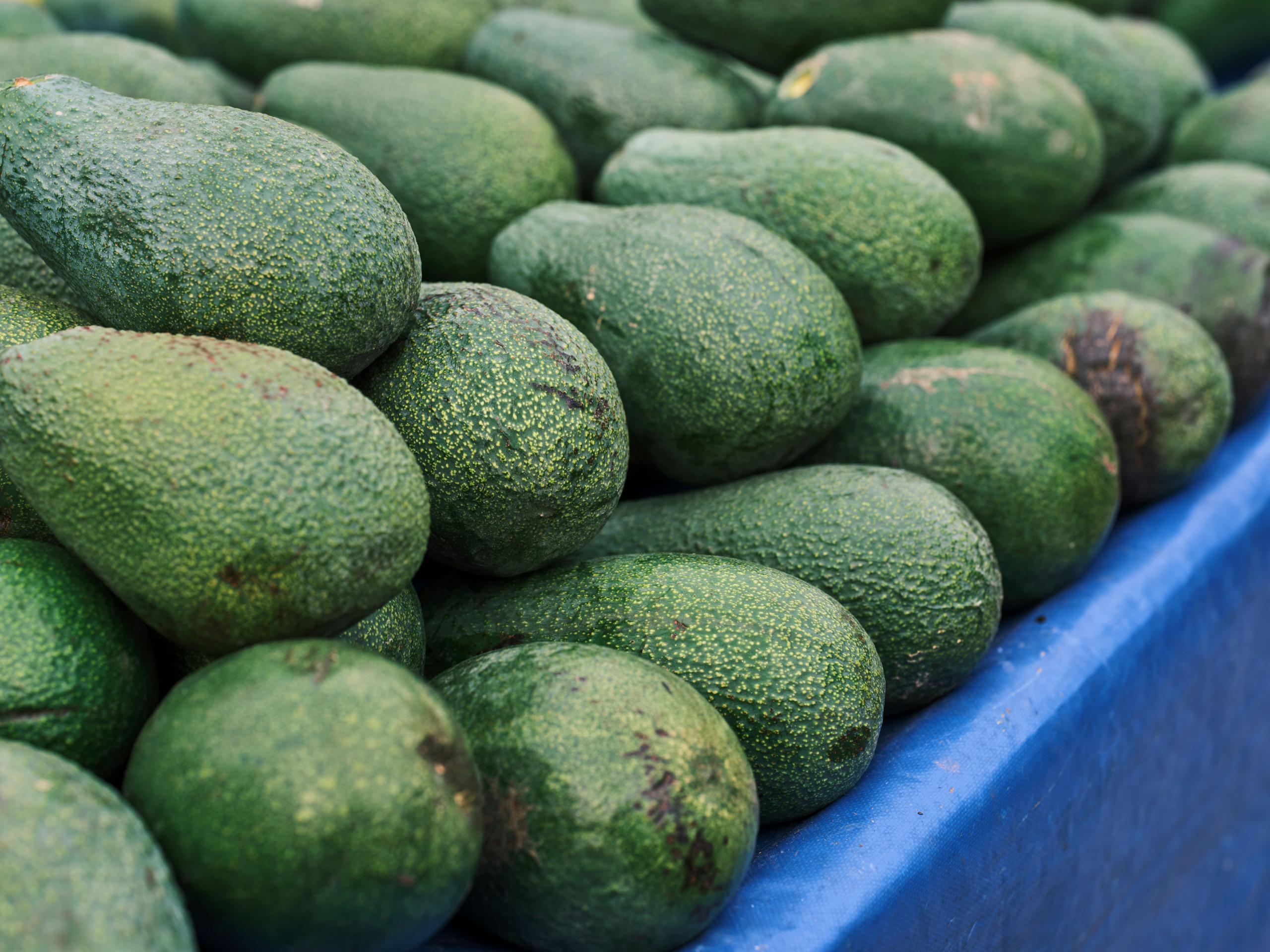
For agricultural investors and existing farmers, avocado production offers an opportunity to participate in a commodity with both domestic and international markets.
1. Access to international markets
Kenyan farmers can potentially benefit from demand in Europe, the Middle East and Asia. Hass avocados, in particular, have established international commercial demand.
Farmers who produce export-quality fruit and establish relationships with reliable exporters may access markets that offer opportunities beyond ordinary domestic produce trading.
2. Long-term production potential
Unlike annual crops that must be replanted every season, established avocado trees can produce fruit over multiple years when properly managed.
This offers farmers an opportunity to develop a longer-term agricultural enterprise. However, commercial returns take time because newly planted trees require several years before meaningful production begins.
3. Multiple income opportunities
Avocados are not limited to fresh-fruit consumption. They can also supply processors producing avocado oil and other value-added products for food, cosmetics and related industries.
The USDA reported that Kenya’s avocado oil processing increased from 3,326 tonnes in 2024 to 10,188 tonnes in 2025. This demonstrates the growing importance of processing alongside fresh-fruit exports.
4. Smallholder participation
The industry provides an opportunity for small-scale farmers to participate without necessarily owning large plantations.
Farmers can organise into cooperatives, producer groups or supply arrangements that make it easier to aggregate produce, access technical support and negotiate with established exporters.
The Challenges Facing Avocado Farmers
Despite its potential, avocado farming is not a guaranteed route to wealth. Production involves agricultural, financial and market-related challenges that investors must understand before committing capital.
1. Water availability and unpredictable weather
Avocado production depends on suitable rainfall and adequate water management. Extended dry periods can affect flowering, fruit development and fruit size.
Kenya’s Agriculture and Food Authority Good Practice Guide for Avocado Production identifies rainfall distribution and irrigation management as important production considerations.
Excessive rainfall and humidity can also encourage fungal diseases, flower abortion and other crop problems. Farmers in drier regions may therefore need to invest in irrigation, water harvesting and suitable storage facilities.
2. Pests and diseases
Avocado trees are vulnerable to pests and diseases that can reduce productivity and damage fruit quality.
Problems such as anthracnose, scab and scale insects require appropriate monitoring and management. Root diseases and poor orchard drainage can also affect tree health.
Farmers who neglect orchard management risk producing fruit that fails to meet export specifications.
3. High initial investment
Establishing a commercial avocado orchard involves expenditure on suitable seedlings, land preparation, planting, fertiliser, irrigation, labour, pest management and maintenance.
Investors must also account for the period before trees become commercially productive. This means money may be committed for several years before significant returns are realised.
4. Limited access to export-quality seedlings and technical knowledge
Successful production requires appropriate varieties, healthy planting material and proper orchard management.
Farmers who plant unsuitable varieties or use poor-quality seedlings may struggle to achieve the fruit characteristics demanded by international markets.
5. Price uncertainty and middlemen
Farmers do not always have direct access to international buyers. Many depend on brokers, aggregators and exporters to purchase and transport their produce.
Business Daily has previously reported government concerns about exploitative middlemen who encourage premature harvesting and offer farmers unfavourable prices.
When farmers lack reliable market information, they may have limited bargaining power, particularly when fruit is approaching maturity and cannot be stored indefinitely.
Can You Make Money Trading Avocados Without Owning a Farm?
One of the most interesting opportunities in Kenya’s avocado industry is that participation does not necessarily require owning agricultural land or planting avocado trees.
Entrepreneurs can enter the business as produce aggregators, sourcing agents, commodity traders or licensed export businesses.
This model is particularly attractive to people who have commercial experience, access to working capital and the ability to establish relationships with farmers, packhouses and international buyers.
1. Become an avocado aggregator
An aggregator purchases avocados from multiple farmers and combines the produce into commercially useful quantities.
For example, instead of purchasing from one farmer who may have a relatively small harvest, an aggregator can establish relationships with several farmers in a production area and coordinate collection.
The produce can then be supplied to an established exporter or an approved packhouse.
The business opportunity lies in efficient sourcing, reliable farmer relationships, quality selection and negotiating competitive purchase and supply prices.
2. Operate as a sourcing agent
A sourcing agent connects exporters with farmers who can consistently supply the required quantities and varieties.
Unlike a conventional trader who purchases produce and assumes ownership, an agent may work under an agreed commission or service-fee arrangement.
This can reduce the amount of working capital required because the agent does not necessarily finance the entire purchase of the produce.
However, the agent must demonstrate the ability to identify reliable growers, coordinate harvesting and maintain accurate supplier information.
3. Establish a licensed export business
Entrepreneurs with sufficient capital and commercial experience can establish businesses that purchase, grade, pack and export avocados.
This model requires substantially more preparation than ordinary produce trading.
Exporters must comply with applicable Agriculture and Food Authority and Horticultural Crops Directorate requirements, including relevant licensing, inspections, supplier registration, traceability and export documentation.
Packhouse inspection and appropriate handling arrangements are essential. Businesses must also meet the phytosanitary, food safety and destination-market requirements applicable to their shipments.
Importantly, an entrepreneur does not have to own a farm to become an exporter. The business can source fruit from registered farmers and organised suppliers, provided the entire operation complies with the relevant regulations.
4. Supply avocado processing companies
Not all avocados need to enter the fresh-fruit export market.
Entrepreneurs can explore supplying processors that manufacture avocado oil and other products. Such businesses may offer alternative outlets for suitable fruit that does not meet fresh-export specifications, subject to the processor’s requirements and applicable harvesting rules.
This creates an additional commercial channel and potentially reduces dependence on fresh-fruit exports alone.
Benefits of Trading Avocados Without Farming
For entrepreneurs who prefer commerce to agriculture, the trading model offers several advantages.
- Lower agricultural investment: There is no need to purchase farmland, establish orchards or wait several years for trees to mature.
- Faster business entry: A properly organised sourcing or aggregation operation can begin once supplier relationships, buyers and operational arrangements are established.
- Scalable operations: Traders can expand their sourcing networks as their financial capacity and market relationships grow.
- Multiple sourcing locations: Businesses can obtain fruit from different producing counties instead of relying on one farm.
- Several business models: Entrepreneurs can earn through trading margins, commissions, aggregation services or export operations.
- Employment creation: Collection, sorting, transport, packaging and administration create opportunities for other workers.
The Risks Facing Avocado Traders and Exporters
Although trading eliminates some of the risks associated with farming, it introduces a different set of commercial challenges.
1. Perishability and post-harvest losses
Avocados are perishable commodities. Poor handling, delays in transportation, inappropriate storage temperatures and inadequate packaging can cause losses.
A trader who purchases large quantities without securing a buyer or arranging appropriate handling facilities risks losing money when fruit deteriorates.
2. Working capital requirements
Large-volume trading requires money to purchase produce, pay transporters, meet grading and packaging costs and finance other operational expenses.
Exporters may also face delays between purchasing fruit and receiving payment from overseas buyers.
3. Regulatory compliance
Exporting fresh produce is not simply a matter of purchasing avocados and finding a foreign customer.
Exporters must satisfy applicable inspection, traceability, maturity, phytosanitary and destination-market requirements. Non-compliant consignments can be rejected, delayed or prevented from entering their intended markets.
4. Market and transport disruptions
The October 2026 sea-export suspension demonstrates how quickly regulatory decisions can affect commercial operations.
Traders who depend exclusively on overseas sea shipments may face supply disruptions, reduced purchasing opportunities and additional logistics expenses.
Air freight is an alternative for eligible consignments, but its higher cost can make some transactions commercially unattractive.
5. Price and currency fluctuations
Exporters purchasing fruit locally and selling overseas must manage exchange-rate movements, international price changes, freight charges and payment risks.
A transaction that appears profitable when a purchase agreement is signed may become less attractive if operating costs rise or the selling price falls before delivery.
Where Are the Opportunities for Avocado Businesses in Kenya?
Kenya’s established production counties offer potential sourcing opportunities for entrepreneurs seeking to participate in the industry.
- Kiambu: An established avocado-growing area with access to aggregation and export infrastructure.
- Murang’a: An important production region with a substantial smallholder farming base.
- Nyeri: An established agricultural county with potential for organised avocado sourcing.
- Kisii: A significant production area with opportunities for farmer aggregation.
- Nakuru: An important agricultural county offering opportunities to connect growers with produce buyers.
- Meru and other Central and Eastern counties: Additional areas where entrepreneurs can explore suitable production and supply networks.
However, location alone does not guarantee commercial success. Buyers must establish whether the specific farms produce the required varieties, meet maturity standards and can supply consistent volumes.
What Should an Aspiring Avocado Trader Do Before Investing?
Anyone considering entering the avocado trade should begin with market research rather than purchasing large quantities of fruit immediately.
- Identify the business model: Decide whether to operate as an aggregator, sourcing agent, supplier to a licensed exporter or independent exporter.
- Secure a credible buyer: Establish demand, specifications, expected volumes, payment arrangements and delivery terms before purchasing produce.
- Identify reliable farmers: Build relationships with growers who can demonstrate the availability of suitable varieties and mature fruit.
- Understand export regulations: Contact AFA and the Horticultural Crops Directorate to establish current licensing, inspection and traceability requirements.
- Calculate the complete costs: Include purchase prices, collection, sorting, packaging, transport, storage, inspection, freight and financial charges.
- Start with manageable volumes: Test the sourcing and supply process before committing substantial capital.
- Plan for disruptions: Have alternative buyers and compliant domestic or processing channels where possible.
Kenya’s Avocado Industry Needs More Than Farmers
The country’s avocado opportunity cannot be measured by the number of trees planted or the volume of fruit harvested alone. A competitive industry requires a well-connected commercial system involving farmers, traders, exporters, logistics companies, processors and international buyers.
The sea-export suspension highlights a structural challenge: Kenya can produce substantial quantities of avocados and still experience shortages of fruit that meets export requirements at particular times of the year.
For farmers, the priority should be improved productivity, appropriate varieties, better orchard management and consistent quality. For traders, the opportunity lies in building dependable supply networks, investing in post-harvest handling and understanding international market requirements.
There is also a wider opportunity in value addition. Processing, packaging, cold-chain infrastructure and export logistics can create additional economic value beyond the farm gate.
Kenya’s avocado industry therefore presents opportunities on two distinct scales: agricultural investment for those prepared to cultivate the crop over the long term, and commercial trading for entrepreneurs who prefer sourcing, distribution and international trade.
Neither model guarantees profits. Both require capital discipline, market knowledge and an understanding of the risks involved.
SkyPress Market Perspective: The Opportunity Is in Building a Reliable Supply Chain
Kenya’s avocado export industry has demonstrated that international demand can generate substantial foreign exchange earnings. However, the latest suspension of sea shipments reveals that market access depends on more than demand alone.
The next phase of growth will depend on the country’s ability to supply mature, traceable and export-quality fruit consistently while strengthening logistics and processing capacity.
For aspiring entrepreneurs, this presents an opportunity to look beyond farming. A well-managed aggregation or sourcing business can become an important link between smallholder farmers and international buyers.
The long-term winners may not necessarily be those who own the largest avocado farms, but those who understand how to connect reliable production with quality-conscious markets.
Frequently Asked Questions (FAQs)
1. Is avocado farming profitable in Kenya?
It can be profitable when farmers achieve good yields, maintain quality and secure reliable markets. However, initial investment, delayed maturity, weather conditions and market-price fluctuations affect returns.
2. Can I export avocados without owning a farm?
Yes. An entrepreneur can establish a compliant export business and source fruit from farmers. The business must satisfy applicable licensing, inspection, traceability and export requirements.
3. Can I trade avocados without exporting them personally?
Yes. You can operate as an aggregator or sourcing agent and supply produce to established, appropriately licensed exporters or packhouses.
4. Why has Kenya suspended avocado exports by sea?
AFA announced the suspension from October 30, 2026, after a nationwide survey found insufficient supplies of export-ready fruit to sustain sea shipments.
5. Are avocado air exports still allowed?
Yes. The four affected varieties can continue to be exported by air, subject to inspection, Horticultural Crops Directorate clearance and traceability requirements.
6. Which avocado varieties are important for export?
Hass is particularly important in international fresh-fruit markets. Fuerte, Pinkerton and Jumbo are also among the varieties covered by the current seasonal export restrictions.
7. What capital is required to start avocado trading?
There is no universal starting figure. Capital depends on whether the business operates as an agent, aggregator, supplier or direct exporter. Working capital, transportation, handling and buyer arrangements must be considered before starting.
Disclaimer
This article is published strictly for educational and informational purposes. It does not constitute financial, investment, agricultural, legal or business advice. Avocado farming and commodity trading involve operational, financial, regulatory and market risks. Prospective participants should conduct independent research and consult relevant agricultural and export authorities before committing capital.
Sources and Further Reading
- Business Daily Africa – Kenya shuts avocado exports by sea as supplies run low (October 29, 2026).
- World Bank WITS – Kenya avocado export statistics for 2025.
- USDA Foreign Agricultural Service – Kenya Avocado Report, April 2026.
- Agriculture and Food Authority – Good Practice Guide for Avocado Production.
- Business Daily Africa – Growers warned of cartels as new avocado export window opens (April 2026).
- Fruitnet – Logistics the challenge for Kenya’s expanding avocado sector (April 2026).
- The Star – Kenya launches digital traceability system to strengthen horticulture exports (June 2026).
- Agricultural Economics – Research on avocado contract farming and producer organisations in Kenya (2024).
© 2026 SkyPress by Skyrexx. All rights reserved.