
Commodities Explained: A Practical Guide to Gold, Oil, Silver and Global Commodity Markets

Commodities are among the most important markets in the global economy. From the gold held by central banks to the oil that powers transportation and the agricultural products that feed millions of people, commodities influence inflation, currencies, business costs, investment returns and everyday prices.
For investors and traders, understanding commodities can provide another way to understand what is happening across the global economy.
At SkyPress, we believe financial markets should not be viewed in isolation. Commodity prices often tell a story about economic growth, inflation, geopolitical risks, supply disruptions and investor sentiment.
This guide introduces the commodities market, explains how it works and examines some of the most important commodities watched by investors worldwide.
What Are Commodities?
Commodities are basic raw materials or primary agricultural products that can be bought and sold in financial markets.
Unlike shares, which represent ownership in a company, commodities represent physical resources or products that are widely traded and used throughout the economy.
Major commodity groups include:
- Precious metals such as gold and silver
- Energy commodities such as crude oil and natural gas
- Agricultural commodities such as wheat, corn, coffee and sugar
- Industrial metals such as copper, aluminum and platinum
Commodity prices are largely influenced by supply and demand. However, several other factors can cause significant price movements, including interest rates, currency movements, weather conditions, government policies, geopolitical tensions and global economic growth.
Why Commodities Matter to the Global Economy
Commodities affect almost every part of the economy.
When crude oil prices rise sharply, transportation and production costs can increase. Businesses may eventually pass those higher costs to consumers, contributing to inflation.
When agricultural commodity prices rise because of poor harvests, food prices can also increase.
Gold can behave differently. During periods of economic uncertainty or financial stress, some investors increase their exposure to gold as a potential store of value.
Industrial metals can also provide clues about economic activity. Copper, for example, is widely used in construction, manufacturing, electricity infrastructure and technology. Strong demand for copper can therefore be associated with expectations of economic and industrial activity.
This makes commodities important not only for traders but also for anyone trying to understand the global economy.
Gold: The World’s Most Closely Watched Precious Metal
Gold Image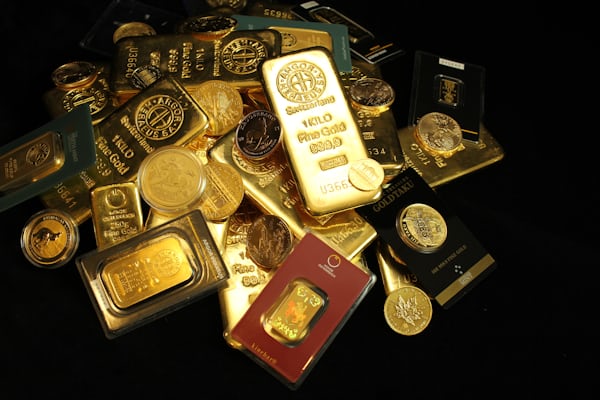
Gold occupies a unique position in financial markets.
It has been used as money and a store of value for centuries and remains closely watched by investors, central banks and traders.
Gold prices can be influenced by several factors, including:
- Interest-rate expectations
- Inflation concerns
- Central-bank policies
- The strength of the U.S. dollar
- Geopolitical uncertainty
- Investor demand
- Central-bank gold purchases
Gold is often described as a safe-haven asset, although its price can still experience substantial volatility.
One important relationship traders monitor is the relationship between gold and the U.S. dollar. Because gold is primarily priced in U.S. dollars internationally, changes in the dollar can influence the price of gold.
However, this relationship is not always perfectly inverse. Other factors, particularly interest rates and market risk, can become more influential at different times.
Silver: A Precious Metal With Industrial Demand
Silver shares some characteristics with gold but has an important additional feature: substantial industrial demand.
Silver is used in areas such as electronics, solar technology, manufacturing and other industrial applications.
This means silver can respond not only to monetary and investment factors but also to expectations about industrial activity.
For investors watching precious metals, silver can therefore provide a different market perspective from gold.
Silver is also generally more volatile than gold, which can create both opportunities and risks for traders.
Crude Oil: A Commodity That Moves the World
Crude Oil Image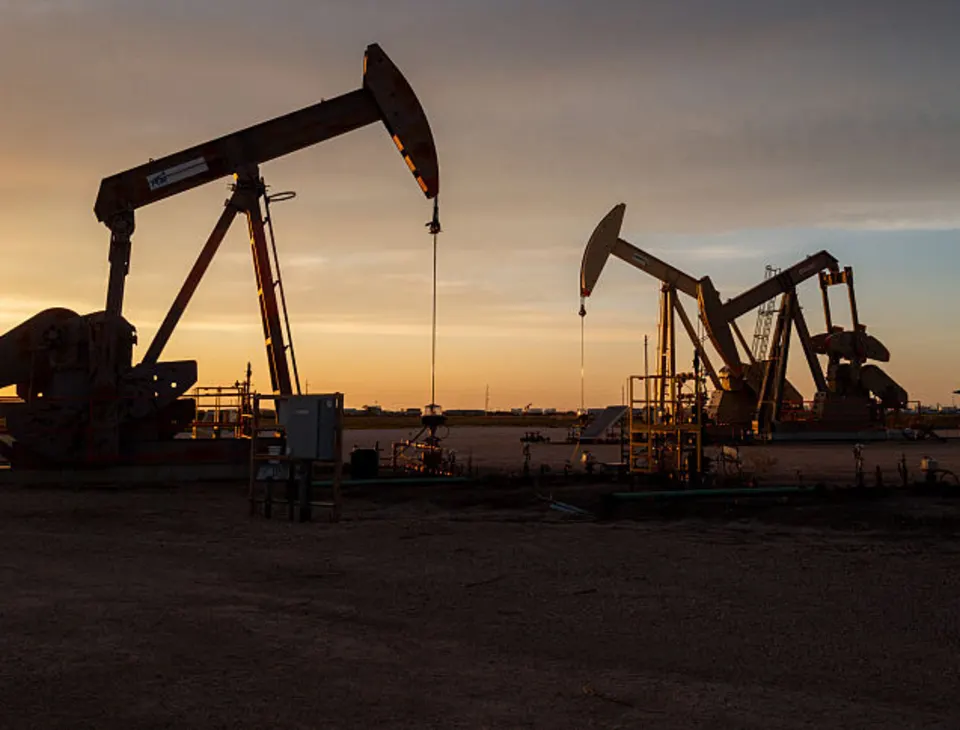
Crude oil is one of the most economically important commodities.
Oil remains a major source of energy and is also an important input in numerous industrial processes and products.
The crude oil market is heavily influenced by global supply and demand.
Important factors include:
- Production levels
- OPEC+ policies
- Global economic growth
- Geopolitical conflicts
- Sanctions
- Oil inventories
- Refinery demand
- Expectations for future energy consumption
When markets expect stronger global economic activity, oil demand may increase. Conversely, concerns about a global slowdown can put pressure on oil prices if traders anticipate weaker energy consumption.
Supply disruptions can also produce sharp price movements.
Because oil affects transportation and production costs, major changes in crude prices can have consequences far beyond the commodity market itself.
Natural Gas: A Highly Volatile Energy Market
Natural gas is another major energy commodity.
Its price can be particularly sensitive to weather conditions, seasonal demand, storage levels, production and geopolitical developments.
Cold weather can increase heating demand, while hot weather can increase electricity demand in regions where natural gas is used for power generation.
Natural gas markets can therefore experience substantial volatility when supply and demand conditions change unexpectedly.
Copper: A Key Industrial Commodity
Copper is one of the most closely followed industrial metals.
It is widely used in electrical wiring, construction, manufacturing, renewable-energy infrastructure and technology.
Because of these applications, copper is sometimes viewed as an indicator of global economic activity.
When investors expect stronger construction and manufacturing activity, demand expectations for copper may increase.
On the other hand, concerns about economic weakness can weigh on copper demand expectations.
This makes copper particularly interesting for investors who want to understand the relationship between commodities and economic growth.
Agricultural Commodities
Agricultural Commodities Image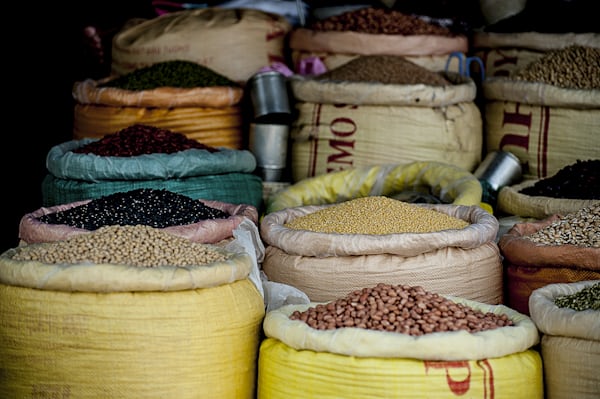
Agricultural commodities include products such as wheat, corn, coffee, sugar, cocoa and soybeans.
Unlike financial assets, agricultural commodities are heavily affected by natural conditions.
Weather can have a major influence on agricultural supply.
Droughts, floods, extreme temperatures, pests and other environmental events can affect crop production and consequently influence prices.
Global inventories, planting decisions, transportation costs, government policies and international trade also contribute to price movements.
For this reason, agricultural commodity markets can behave very differently from markets such as stocks or currencies.
What Moves Commodity Prices?
Although every commodity has its own characteristics, several major forces appear repeatedly across commodity markets.
1. Supply and Demand
Crude Oil Transportation Image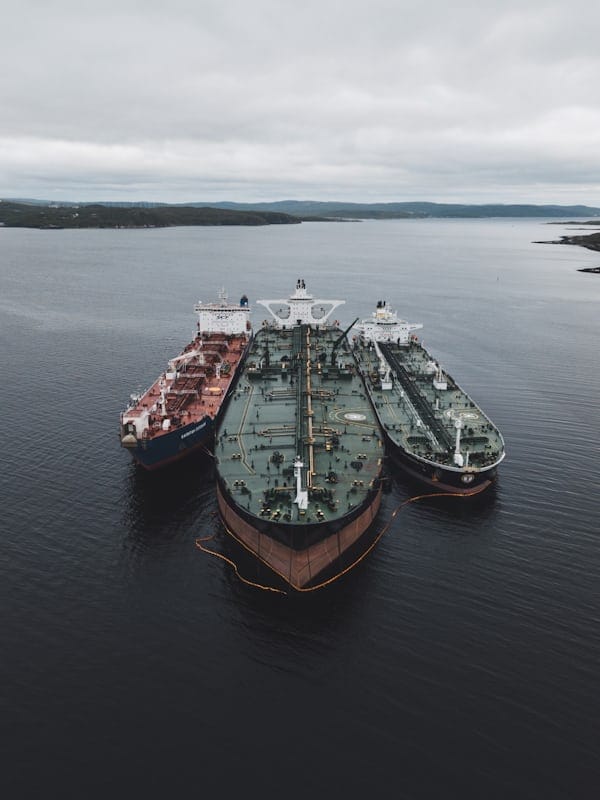
This is the foundation of commodity pricing.
When demand rises while supply remains limited, prices can come under upward pressure.
When supply increases faster than demand, prices can face downward pressure.
2. The U.S. Dollar
Many internationally traded commodities are priced in U.S. dollars.
A stronger dollar can make dollar-denominated commodities more expensive for buyers using other currencies, potentially affecting international demand.
The relationship is not automatic, however, because commodity-specific factors can overwhelm currency effects.
3. Interest Rates
Interest rates can influence commodities through several channels.
Higher interest rates can strengthen a currency, change investment flows and increase the opportunity cost of holding certain assets.
Gold is particularly sensitive to changes in interest-rate expectations because investors frequently compare the appeal of holding gold with interest-bearing assets.
4. Inflation
Commodity prices and inflation are closely connected.
Higher energy and food prices can contribute directly to consumer inflation, while higher raw-material costs can increase production expenses for businesses.
At the same time, expectations of future inflation can influence investor demand for certain commodities.
5. Geopolitical Events
Wars, sanctions, trade restrictions and political instability can disrupt commodity supply chains.
Energy markets can be especially sensitive to geopolitical developments because oil and natural gas production and transportation are concentrated in particular regions.
6. Weather
Weather is especially important for agricultural commodities.
Unexpected weather conditions can change expectations for crop production and cause significant price movements.
How Do Investors Gain Exposure to Commodities?
There are several ways to participate in commodity markets.
Physical Commodities
Investors can sometimes purchase physical commodities, particularly precious metals such as gold and silver.
However, physical ownership involves considerations such as storage, insurance, security and transaction costs.
Commodity ETFs
Exchange-traded funds can provide investors with exposure to particular commodities or groups of commodities without requiring them to physically store the underlying asset.
The structure of each ETF matters, however, because some funds hold physical commodities while others obtain exposure through futures contracts.
Futures Contracts
Futures are widely used by professional traders and institutions.
A futures contract is an agreement to buy or sell a commodity at a predetermined price and date.
Futures can provide significant opportunities but also involve substantial risk, particularly because leverage can amplify both gains and losses.
Commodity-Related Stocks
Another approach is investing in companies involved in commodity production.
Examples include mining companies, oil producers and agricultural businesses.
However, owning a commodity-related company is not the same as owning the commodity itself.
A company’s share price can be affected by management decisions, debt, operating costs, earnings, competition and broader stock-market conditions.
Commodities and Forex
Commodities and the foreign-exchange market are closely connected.
Countries that export major commodities can sometimes experience changes in currency demand when commodity prices rise or fall.
For example, movements in oil prices can influence the currencies of major energy-producing economies.
Gold can also be important for forex traders because of its relationship with the U.S. dollar and changing investor perceptions of risk.
This is why commodity analysis can complement currency-market analysis.
Understanding commodities can help traders develop a broader view of what is happening in global markets rather than looking at currency charts alone.
Are Commodities a Good Investment?
There is no universal answer.
Commodities can provide diversification and exposure to important areas of the global economy. Some investors also use commodities as part of strategies designed to manage inflation or portfolio risk.
However, commodities can be highly volatile.
Prices can move rapidly because of unexpected geopolitical events, weather conditions, supply disruptions, economic data or changes in market expectations.
Investors should therefore understand the specific risks of the commodity and investment vehicle they are considering before committing capital.
The Importance of Risk Management
Commodity markets can create significant opportunities, but opportunity always comes with risk.
Traders should avoid risking money they cannot afford to lose and should understand how leverage works before using leveraged products.
Risk-management techniques may include:
- Position sizing
- Stop-loss orders
- Diversification
- Maintaining sufficient capital
- Avoiding excessive leverage
- Having a clearly defined trading plan
Successful participation in commodity markets is not simply about predicting whether prices will rise or fall. Managing risk is equally important.
The Bigger Picture
Commodities provide a window into the global economy.
Gold can reflect changing expectations around monetary policy and financial uncertainty. Oil can reveal developments in energy demand and supply. Copper can provide clues about industrial activity, while agricultural commodities can highlight the economic consequences of weather and food-supply conditions.
For investors, following commodities can therefore provide information that goes beyond the commodity market itself.
At SkyPress, our commodities coverage will focus on helping readers understand these markets through practical explanations, market developments and analysis.
Whether you are interested in gold, crude oil, silver, copper or agricultural commodities, understanding what drives prices is an important step toward becoming a more informed participant in global financial markets.
SkyPress Takeaway
Commodities are more than just tradable assets. They are essential building blocks of the global economy.
Their prices can influence inflation, currencies, businesses, consumers and investment markets around the world.
For anyone interested in personal finance, investing or financial markets, developing a basic understanding of commodities can provide a valuable perspective on the forces shaping the global economy.
SkyPress will continue to provide practical commodities coverage, market insights and financial education to help readers make better-informed decisions.
Disclaimer
This article is provided for educational and informational purposes only and does not constitute financial, investment or trading advice. Commodity markets can be highly volatile and may involve substantial risk of loss, particularly when leverage or derivatives are used. Always conduct your own research and consider seeking advice from a qualified financial professional before making investment or trading decisions.