
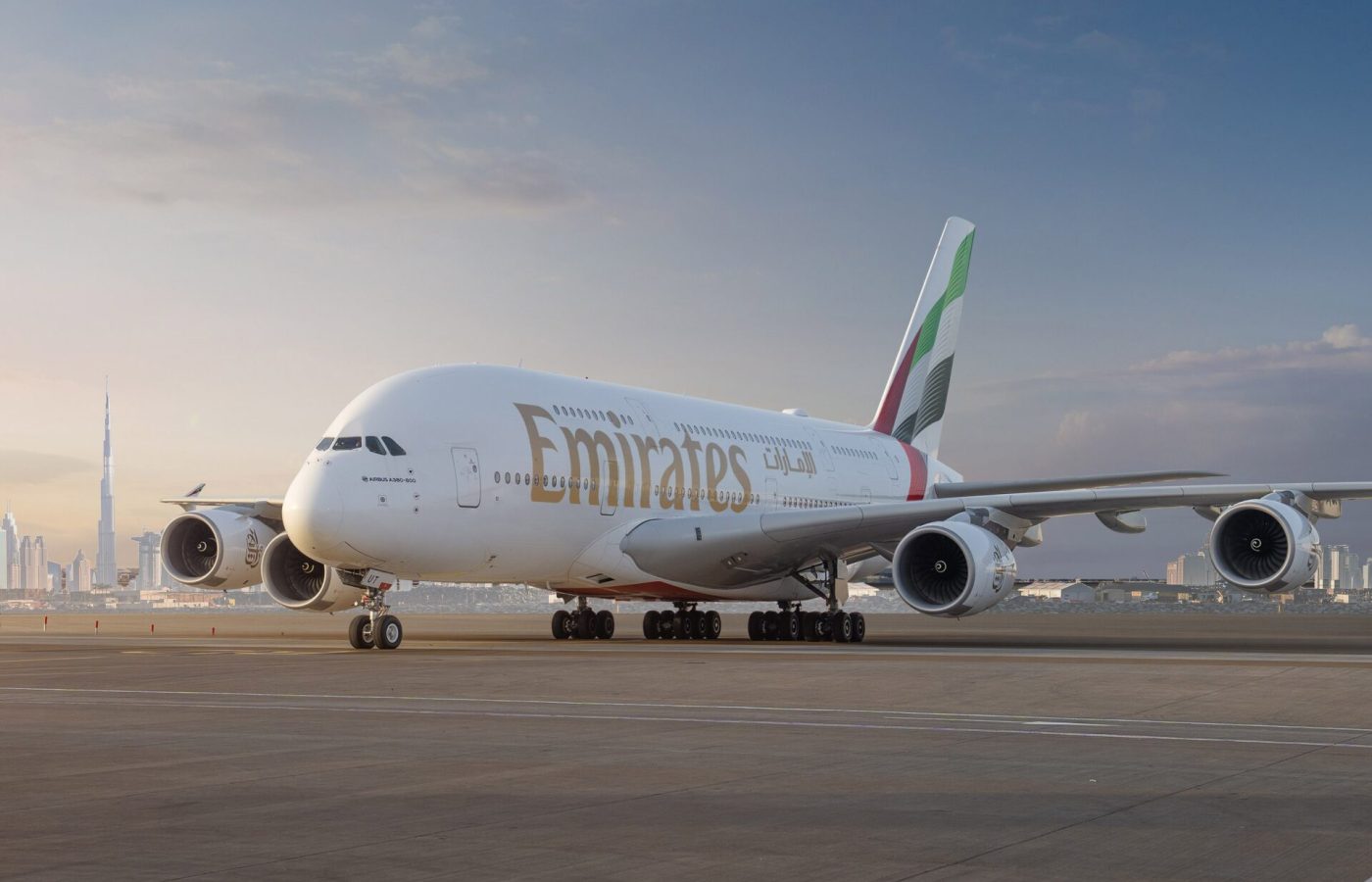
Emirates Group Records US$1.1 Billion Half-Year Profit Despite Gulf Conflict and Rising Fuel Costs

Emirates Group has reported a profit before tax of US$1.1 billion (AED4.1 billion) for the first six months of its 2026-2027 financial year, demonstrating its ability to maintain profitability despite major disruptions to international aviation caused by the conflict in the Gulf region.
The financial performance, covering the six months ended September 30, 2026, comes against a challenging operating environment characterised by intermittent airspace restrictions, reduced passenger movements, flight disruptions and substantially higher jet fuel prices.
Although the Dubai-based aviation group remained profitable, its earnings were considerably lower than those recorded during the corresponding period a year earlier. Group profit before tax declined by 66%, while revenue dropped by 12% to AED66.2 billion (US$18 billion).
The results highlight the financial pressure facing major international airlines as geopolitical developments increasingly influence flight schedules, operating expenses and global passenger movements.
Key Takeaways
- Emirates Group reported US$1.1 billion in profit before tax for the first half of FY2026-27.
- Group revenue declined 12% to AED66.2 billion (US$18 billion).
- Emirates Airline’s passenger numbers fell 22% to 21.8 million.
- Jet fuel costs before hedging increased by 60% year on year.
- Emirates SkyCargo recorded a 52% increase in cargo revenue.
- The airline had restored 91% of its pre-disruption network by September 30.
- Fuel-risk management gains and international cargo operations helped protect profitability.
Emirates Group Remains Profitable Despite Regional Aviation Disruptions
The latest financial results demonstrate how the conflict has affected the financial performance of one of the world’s most prominent international aviation groups.
Emirates Group’s profit before tax declined from AED12.1 billion in the corresponding period last year to AED4.1 billion during the first half of FY2026-27.
After taxation, group profit stood at AED3.6 billion (approximately US$1 billion), representing a 66% annual decline.
Group earnings before interest, tax, depreciation and amortisation (EBITDA) also fell by 41% to AED12.5 billion (US$3.4 billion), reflecting the impact of reduced operations and higher operating expenses.
Revenue decreased from AED75.4 billion to AED66.2 billion, indicating that the pressure extended beyond profitability to the group’s overall business activity.
However, the company retained a substantial financial reserve. Its cash position stood at AED54.1 billion (US$14.7 billion) at the end of September, compared with AED59.6 billion at the end of March 2026.
The available liquidity provides financial flexibility for aircraft-related payments, debt obligations and ongoing investments as the aviation environment remains uncertain.
Emirates Airline Faces Passenger and Revenue Pressure
While the wider group remained profitable, Emirates Airline experienced considerable operational challenges during the reporting period.
The airline reported a profit before tax of AED3.7 billion (US$1 billion), down 68% from AED11.4 billion recorded during the same period last year.
Revenue declined 13% to AED56.9 billion (US$15.5 billion), reflecting the impact of lower flight capacity and changes in international travel patterns.
Between April 1 and September 30, Emirates transported 21.8 million passengers, representing a 22% decline from the corresponding period a year earlier.
Its available seat capacity, measured in Available Seat Kilometres (ASK), decreased by 17%, while passenger traffic measured in Revenue Passenger Kilometres (RPK) fell by 25%.
The average passenger seat factor, which measures the proportion of available seats occupied by passengers, declined to 72% from 79.5%.
These figures illustrate the difficulty of maintaining aircraft utilisation and passenger volumes when important international flight corridors become less predictable.
Airspace Restrictions Reshape International Flight Operations
One of the most significant challenges for Emirates during the six-month period was the disruption of established flight routes across parts of the Middle East.
Intermittent airspace closures and restrictions forced airlines to reconsider routing arrangements, adjust schedules and manage changing passenger travel preferences.
Because Dubai serves as a major international connecting hub, disruptions affecting regional aviation can have implications well beyond the United Arab Emirates.
Passengers travelling between Europe, Asia, Africa and other international destinations may depend on Gulf airports for connecting flights. Changes to the availability of these routes can therefore affect passenger flows across several continents.
By September 30, Emirates had restored operations across 91% of its pre-disruption network, serving 150 airports in 78 countries and territories.
Although this represented substantial operational progress, the airline was still working below its previous network capacity.
Rising Jet Fuel Costs Put Pressure on Airline Profitability
Fuel expenses emerged as one of the biggest financial challenges for Emirates during the first half of FY2026-27.
The airline reported that fuel costs before hedging gains increased by 60% compared with the same period last year, even as its fuel consumption declined because of reduced flight operations.
Fuel accounted for 34% of Emirates’ operating costs, making movements in international energy markets particularly important to its financial performance.
The airline’s fuel-risk management strategy helped reduce the impact. Gains of AED7.1 billion from its hedging arrangements limited the net increase in fuel expenses to 13%.
Overall operating costs, including fuel, declined by 2%, largely reflecting the reduction in operations.
This illustrates the difficulty airlines face when geopolitical developments affect both the availability and cost of international flight operations.
Even when passenger demand remains relatively strong, increased fuel expenditure can absorb a significant proportion of the revenue generated from ticket sales.
Cargo Operations Provide an Important Revenue Cushion
One of the most notable developments in Emirates’ half-year performance was the contribution from its cargo division.
Emirates SkyCargo transported approximately 1.2 million tonnes of cargo during the six-month period, representing a 1% decline in volume.
Despite the slightly lower volume, cargo revenue increased by 52%.
The performance reflects changes in international freight markets as disruptions to shipping routes and reduced airfreight capacity increased demand for available air cargo services.
Businesses transporting time-sensitive goods have faced changing logistics requirements, creating opportunities for airlines capable of maintaining international cargo connections.
Emirates also expanded its cargo capabilities through the delivery of five additional Boeing 777 freighters and the introduction of its first passenger-to-freighter converted aircraft.
The cargo network added Almaty and Zhengzhou as new destinations, while dedicated freighter services were introduced to more than 15 existing Emirates destinations.
For the group, cargo operations have become an important source of financial support during a period when passenger transportation has faced significant disruption.
dnata Also Reports Lower Earnings
Emirates Group’s financial performance includes dnata, its airport services, catering, travel and cargo handling business.
dnata reported a profit before tax of AED410 million (US$112 million), representing a 51% decline from the corresponding period last year.
Revenue decreased by 7% to AED11 billion (US$3 billion).
The decline reflects reduced activity in parts of its UAE and UK businesses, particularly those exposed to lower airline traffic and changes in travel operations.
Nevertheless, dnata’s international operations provided an important source of diversification.
The company continued pursuing opportunities in airport ground handling, catering and cargo logistics across several international markets.
Its performance demonstrates that the effects of aviation disruptions extend beyond passenger airlines to businesses providing essential services throughout the air transport industry.
What the Gulf Aviation Crisis Means for the Global Airline Industry
Emirates’ financial results offer a useful indication of the wider challenges facing international aviation.
Airlines depend on predictable flight routes, efficient airport connections, stable fuel supplies and sufficient passenger demand to maintain profitable operations.
When geopolitical tensions disrupt these conditions, the financial consequences can spread across international aviation networks.
The International Air Transport Association (IATA), in its June 2026 industry outlook, warned that Middle East disruptions and higher fuel prices would significantly reduce airline profitability worldwide.
IATA projected global airline net profit of US$23 billion for 2026, compared with its earlier projection of US$41 billion. The association also forecast a particularly difficult year for Middle Eastern carriers, with the region’s airline industry expected to record a combined net loss.
These were industry forecasts rather than final full-year results, but they illustrate the scale of the financial risks identified earlier in the year.
The Emirates results now provide a company-specific example of how those pressures have affected a major international aviation operator.
Implications for African Aviation and International Connectivity
Developments in Gulf aviation also matter to African countries because Dubai and other Middle Eastern hubs connect African markets with Europe, Asia and other international destinations.
Airlines and logistics companies operating between Africa and international markets depend on reliable connecting routes for passenger transportation, tourism and trade.
When Gulf connections become more expensive or less predictable, airlines may need to reconsider schedules, alternative routes and capacity allocation.
Some African aviation hubs may benefit from changes in international passenger and cargo movements as airlines seek alternative connections. However, capturing that demand will depend on airport infrastructure, available aircraft capacity, fuel supplies and competitive operating costs.
For African businesses, the implications extend to international trade. Changes in freight availability and transportation costs can influence the delivery of agricultural exports, manufactured products and other time-sensitive goods.
Emirates Maintains Long-Term Investment Plans
Despite the financial pressure, Emirates Group continued investing in its long-term aviation capabilities.
During the first half of FY2026-27, Emirates received nine new Airbus A350 aircraft and completed cabin refurbishment work on 12 aircraft.
The airline also continued its Starlink connectivity programme, bringing the number of aircraft equipped with the service to 57 by September 30.
Another significant commitment is its planned investment of more than US$7 billion in aircraft cabin refurbishment.
In addition, the company continued developing its future maintenance and engineering capabilities through a US$5.1 billion facility project at Al Maktoum International Airport.
These investments suggest that the company is continuing to prepare for future demand despite the immediate operational challenges.
However, the timing and financial returns of major aviation investments will depend partly on the recovery of international travel and the stability of operating conditions.
SkyPress Analysis: Profitability Is Not the Same as a Full Recovery
Emirates Group’s US$1.1 billion half-year profit is an important financial result, particularly given the disruptions affecting the Gulf aviation industry.
However, the headline profit figure should be considered alongside the decline in revenue, passenger numbers and operating capacity.
The group remained profitable, but it generated substantially lower earnings than during the previous financial year. This distinction matters because maintaining positive earnings during a difficult period does not necessarily mean that the underlying business has returned to its previous growth trajectory.
Three factors stand out from the latest results.
First, the group’s cargo operations demonstrated the importance of diversifying revenue beyond passenger transportation. The 52% increase in cargo revenue provided a meaningful source of support when passenger traffic was under pressure.
Second, fuel-risk management helped protect earnings. Without the reported AED7.1 billion in hedging gains, the increase in fuel expenses would have placed additional pressure on profitability.
Third, the recovery of international aviation depends on more than the reopening of flight routes. Passenger confidence, fuel prices, insurance considerations and the predictability of international connections will influence how quickly airlines can restore normal operations.
For international aviation, the next important test will be whether passenger traffic and flight capacity can recover without a corresponding increase in operating expenses that erodes profit margins.
Emirates enters the second half of its financial year with substantial cash resources and an established international network. Nevertheless, its latest financial results show that even major airlines with diversified operations remain exposed to geopolitical developments beyond their control.
The broader lesson is that resilience in international aviation is not measured only by whether an airline remains profitable during a crisis, but also by how effectively it restores capacity, protects its margins and maintains customer confidence.
Frequently Asked Questions
How much profit did Emirates Group make in the first half of 2026-27?
Emirates Group reported AED4.1 billion, equivalent to approximately US$1.1 billion, in profit before tax for the six months ended September 30, 2026.
Was the US$1.1 billion profit made by Emirates Airline alone?
No. The figure represents the entire Emirates Group, including Emirates Airline and dnata. Emirates Airline itself reported AED3.7 billion (US$1 billion) in profit before tax.
Why did Emirates’ profits decline?
The decline was associated with regional aviation disruptions, reduced passenger traffic, lower flight capacity and higher fuel expenses. The airline also experienced changes in international travel patterns.
How many passengers did Emirates carry during the first half of 2026-27?
Emirates transported 21.8 million passengers between April 1 and September 30, 2026, representing a 22% decline compared with the same period last year.
How did Emirates SkyCargo perform?
Emirates SkyCargo transported approximately 1.2 million tonnes of cargo, while cargo revenue increased by 52% during the reporting period.
Has Emirates restored its international flight network?
By September 30, Emirates had restored operations across 91% of its pre-disruption network, serving 150 airports in 78 countries and territories.
Sources and Editorial Transparency
This SkyPress report uses financial figures from Emirates Group’s official HY2026-27 results announcement, alongside independent reporting and industry analysis from Reuters, The National, Gulf News and the International Air Transport Association.
- Emirates Group – Official HY2026-27 Financial Results
- Reuters – Emirates Profit Falls as Gulf Conflict Disrupts Aviation
- The National – Emirates Group Posts Half-Year Profit Amid Regional Challenges
- Gulf News – Emirates Group Reports Half-Year Revenue and Profit
- IATA – Middle East Disruptions and High Fuel Prices Affect Airline Profitability
Editorial note: SkyPress has independently organised and analysed the reported financial information to explain the implications for international aviation, global trade and African connectivity. Financial figures are attributed to the relevant reporting periods and entities. IATA projections are identified as forecasts, not confirmed full-year outcomes.
This article is intended for informational and educational purposes and does not constitute investment or financial advice.
© 2026 SkyPress by Skyrexx. All rights reserved.