
Agricultural Commodities Trading Explained: Markets, Strategies, Seasonal Trends & Risk Management
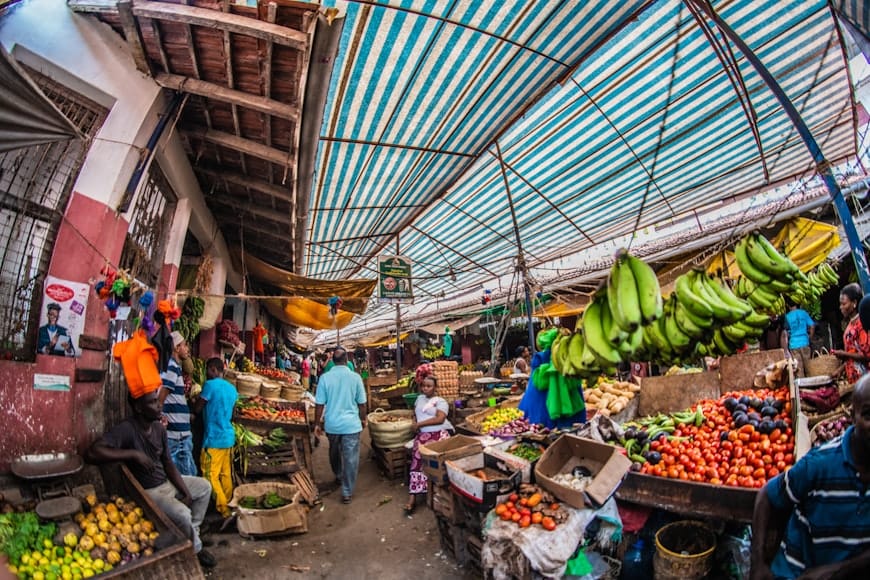
Agricultural Commodities Trading Explained: Markets, Strategies, Seasonal Trends & Risk Management
Agricultural commodities occupy a unique position in global financial markets because they connect financial trading directly to the physical economy. Unlike assets whose value may be driven primarily by monetary policy, corporate earnings or investor sentiment, agricultural markets are closely connected to food production, weather, transportation, international trade and consumer demand.
Wheat, corn, soybeans, coffee, sugar, cocoa and cotton are traded by a wide range of market participants, including farmers, food manufacturers, exporters, importers, commercial hedgers, institutional investors and speculators. Their participation helps create liquid markets where producers and businesses can manage price risk while traders attempt to benefit from changing market conditions.
For individual traders, agricultural commodities can provide diversification beyond traditional markets such as forex, equities, gold and crude oil. However, these markets also have their own risks. Weather can change rapidly, harvest expectations can be revised, geopolitical developments can disrupt exports, and government policies can alter global trade flows.
This guide provides a comprehensive introduction to agricultural commodities trading. It explains the major agricultural markets, the factors that influence prices, seasonal patterns, fundamental and technical analysis, trading strategies, risk management principles and the mistakes traders should avoid.
What Are Agricultural Commodities?
Agricultural commodities are raw materials produced through farming and livestock-related activities. They form an important part of the global economy because they provide food, animal feed, industrial inputs and materials used in consumer products.
Agricultural commodities are commonly divided into several categories, including grains, oilseeds, soft commodities and livestock.
Major Agricultural Commodities
- Wheat: A major food grain used in products such as bread, pasta and cereals.
- Corn: Used for food, animal feed, industrial products and biofuel production.
- Soybeans: Important for animal feed, vegetable oil and food production.
- Coffee: A major soft commodity consumed globally and produced primarily in tropical regions.
- Sugar: Used extensively in food and beverage production and also in some biofuel markets.
- Cocoa: A key raw material used in chocolate and confectionery production.
- Cotton: A major agricultural fiber used in textiles and apparel.
Each commodity has its own production regions, consumption patterns, storage characteristics and supply chain. As a result, traders should not assume that a strategy that works for one agricultural market will automatically work for another.
Why Agricultural Commodities Matter
Agricultural commodities are economically important because they are closely connected to food security, international trade, inflation and household spending.
Food Security
Staple commodities such as wheat, corn and soybeans play important roles in global food systems. Disruptions to production or international trade can affect food availability and prices.
Inflation
Food prices contribute to consumer inflation. Significant increases in agricultural commodity prices can eventually influence the cost of food products and other goods throughout the supply chain.
International Trade
Agricultural commodities are heavily traded across borders. Countries with large production surpluses may export commodities to countries that depend on imports to satisfy domestic consumption.
Changes in export policies, tariffs, shipping costs or geopolitical relationships can therefore influence commodity prices even when global production remains unchanged.
Industrial Demand
Some agricultural commodities have important industrial applications. Corn, sugar and vegetable oils, for example, can be used in biofuel production, while cotton is a major industrial fiber.
How Agricultural Commodity Markets Work
Agricultural commodities can be traded through futures contracts and other financial instruments that provide exposure to commodity prices. Futures markets are particularly important because they allow producers and commercial users to manage price risk while providing a marketplace for price discovery.
A farmer, for example, may be concerned that the market price of a crop will decline before the harvest is sold. A commercial participant may have the opposite concern and want protection against rising prices. Futures markets can allow these participants to hedge against unfavorable price movements.
Speculators also participate in these markets. They generally do not intend to take physical delivery of the underlying commodity. Instead, they attempt to profit from changes in market prices.
Futures Contracts
A futures contract represents an agreement involving a standardized quantity and quality of a commodity for a specified delivery month. Traders need to understand contract specifications, tick values, margin requirements and expiration dates before trading futures.
Commodity CFDs
Some retail brokers provide exposure to agricultural commodities through contracts for difference (CFDs). CFDs allow traders to speculate on price movements without directly owning the physical commodity.
Because CFDs can involve leverage, losses can occur rapidly if positions are too large relative to account capital. Traders should understand their broker’s contract specifications, spreads, financing charges and margin requirements before using such products.
Commodity-Related Funds
Some investors gain indirect exposure through exchange-traded funds or other products connected to agricultural commodities. The performance of these products can differ from the underlying spot price because of their structure, futures exposure, management fees and contract roll mechanics.
The Major Drivers of Agricultural Commodity Prices
Understanding what moves agricultural markets is one of the most important skills for commodity traders. Unlike some financial assets, agricultural commodities are strongly influenced by physical production conditions.
1. Weather Conditions
Weather is one of the most important variables in agricultural markets because crops depend on suitable growing conditions.
Drought, excessive rainfall, flooding, frost, extreme heat and other adverse conditions can affect crop development and harvest expectations.
For example, prolonged drought during a critical growing period can raise concerns about crop yields. If traders expect production to decline while demand remains stable, prices may come under upward pressure.
The opposite can occur when weather conditions are favorable and crop production expectations improve.
However, weather-based trading requires caution. A single weather forecast does not necessarily determine the final harvest. Forecasts change, crop conditions evolve and markets can price expectations well before final production figures become available.
2. Crop Production and Yield Estimates
Expected production is another major driver of agricultural prices.
Traders closely monitor estimates of planted acreage, crop conditions, expected yields and total production. Changes in these estimates can alter the perceived balance between supply and demand.
A reduction in expected production can tighten the projected supply balance, while a larger-than-expected harvest can increase supply expectations.
3. Planting and Harvest Cycles
Agricultural production follows biological cycles. Farmers generally plant crops during specific periods and harvest them months later.
This creates recurring periods of uncertainty and changing supply expectations.
During planting and early crop development, traders may focus heavily on acreage, weather and crop-condition reports. As harvest approaches, attention may shift toward actual production estimates and storage levels.
Understanding these cycles can help traders interpret why certain commodities experience recurring periods of increased volatility.
4. Global Demand
Supply is only one side of the agricultural market. Demand is equally important.
Demand can be influenced by population growth, income levels, food consumption, livestock production, industrial usage and biofuel production.
For example, strong livestock production can increase demand for animal feed, influencing markets such as corn and soybeans.
5. Government Policies
Governments can have a substantial influence on agricultural markets through subsidies, tariffs, export restrictions, import policies and biofuel mandates.
An unexpected export restriction from a major producing country can alter international supply availability and potentially cause significant price movements.
Likewise, changes in import tariffs can influence trade flows and the competitiveness of agricultural products between countries.
6. Currency Movements
Many internationally traded agricultural commodities are priced in U.S. dollars. Currency movements can therefore influence purchasing power for international buyers.
A stronger U.S. dollar can make dollar-denominated commodities more expensive for buyers using other currencies, while a weaker dollar can have the opposite effect.
However, currency relationships should not be treated as automatic trading signals. Supply disruptions, weather conditions and changes in demand can overwhelm currency effects.
7. Energy Prices
Agriculture and energy markets are interconnected. Farmers use fuel, machinery, fertilizers and transportation throughout the production and distribution process.
Changes in energy prices can therefore influence agricultural production costs.
Energy markets can also affect agricultural commodities through biofuel demand. Crops and agricultural products used in ethanol or biodiesel production can respond to changes in energy economics and government policies.
8. Transportation and Logistics
Agricultural commodities must move from farms to storage facilities, processing plants, ports and ultimately consumers.
Transportation bottlenecks, higher freight costs, port disruptions and infrastructure problems can affect the effective availability of commodities in particular regions.
9. Geopolitical Developments
Geopolitical events can affect agricultural markets by disrupting production, trade routes, exports or access to critical inputs.
Sanctions, conflicts, trade disputes and changes in diplomatic relationships can influence the movement of agricultural goods between major producing and consuming countries.
Seasonality in Agricultural Commodity Markets
Seasonality is one of the defining characteristics of agricultural markets. Production follows recurring biological cycles, meaning certain periods of the year can have greater importance than others.
However, seasonality should be viewed as a historical tendency rather than a guaranteed price pattern.
Planting Season
During planting periods, markets may become sensitive to acreage expectations, planting progress and weather conditions.
If planting is delayed because of unfavorable weather, traders may reassess expected production and future supply.
Growing Season
During the growing season, weather becomes particularly important. Changes in temperature, rainfall and extreme weather risks can influence expectations about crop yields.
Harvest Season
Harvest periods can introduce additional supply into the market. Traders may monitor harvest progress, crop yields, storage capacity and demand from processors and exporters.
The assumption that prices must always fall during harvest is too simplistic. Market prices depend on expectations, existing inventories, demand and the size of the harvest relative to what was already priced into the market.
Fundamental Analysis of Agricultural Commodities
Fundamental analysis attempts to understand the underlying supply-demand balance and the factors that could alter it.
A professional approach involves comparing current information with previous estimates and market expectations rather than reacting to individual reports in isolation.
Important Fundamental Data
- Production estimates
- Planted acreage
- Crop-condition reports
- Yield forecasts
- Export data
- Import demand
- Ending stocks
- Weather forecasts
- Government policy announcements
- Biofuel demand
- Livestock production trends
- Transportation and logistics conditions
Supply-and-Demand Balance
One useful way to think about agricultural fundamentals is through the relationship between expected supply and expected demand.
When expected demand is strong relative to available supply, the market may become more supportive of higher prices. When production expectations increase faster than demand, prices may face downward pressure.
The challenge is that traders are constantly updating these expectations. A bullish fundamental environment can therefore be followed by a sharp price decline if new information changes the expected balance.
Technical Analysis for Agricultural Commodities
Fundamental analysis helps traders understand the forces influencing a commodity, while technical analysis can help identify potential entry and exit areas.
Support and Resistance
Support and resistance zones can help traders identify areas where buying or selling pressure has previously emerged.
These levels should generally be treated as zones rather than perfectly precise prices because commodity markets can temporarily move beyond important levels before reversing.
Trend Analysis
Agricultural commodities can experience significant trends when changing supply-demand expectations create sustained buying or selling pressure.
Traders can examine market structure by looking for:
- Higher highs and higher lows during bullish trends.
- Lower highs and lower lows during bearish trends.
- Repeated rejection of major support or resistance levels.
- Breakouts from prolonged consolidation ranges.
Moving Averages
Moving averages can help traders identify the broader direction of a market and smooth short-term price fluctuations.
However, moving averages are lagging indicators. They should be used as part of a broader analytical process rather than treated as standalone buy or sell signals.
Momentum Indicators
Indicators such as RSI and MACD can provide additional information about momentum and potential changes in market conditions.
A market remaining overbought or oversold does not automatically mean that a reversal is imminent. Strong commodity trends can remain extended for considerable periods.
Professional Agricultural Commodity Trading Strategies
1. Seasonal Analysis Strategy
Seasonal analysis involves studying historical price behavior during recurring periods of the agricultural production cycle.
Traders may compare historical seasonal tendencies with current fundamentals to determine whether a potential setup has additional supporting evidence.
The key is to avoid trading seasonality blindly. Historical patterns can fail when weather, policy, production or demand conditions are substantially different from previous years.
2. Fundamental Supply-Demand Strategy
This approach focuses on identifying changes in expected production and consumption.
A trader might monitor crop reports, weather conditions, inventories and export demand before developing a directional bias.
The strongest setups may occur when several independent fundamental factors point in the same direction.
3. Breakout Trading
Agricultural markets can spend considerable periods consolidating before a significant change in supply-demand expectations produces a breakout.
Breakout traders monitor important technical levels and wait for price to move beyond established ranges.
Because false breakouts are possible, traders may seek confirmation through momentum, volume where reliable data is available, fundamental catalysts or a successful retest of the breakout area.
4. Trend-Following Strategy
Trend-following traders attempt to participate in sustained price movements rather than predict every short-term reversal.
A typical process might involve identifying the higher-timeframe trend, waiting for a pullback toward a significant area and then looking for confirmation before entering.
5. Spread Trading
Spread trading involves taking positions in two related markets with the objective of benefiting from changes in their price relationship rather than simply predicting whether one commodity will rise or fall.
Examples can include relationships between related agricultural contracts or different contract months.
Spread trading is not risk-free. The relationship between two markets can change unexpectedly, and traders need to understand contract specifications, liquidity and margin requirements.
Building a Structured Agricultural Trading Plan
A trading strategy becomes more useful when it is incorporated into a complete trading plan.
Define Your Objective
Decide whether you are trading for short-term speculation, swing trading or longer-term exposure. Your timeframe should influence the type of analysis and risk management you use.
Identify the Market Environment
Determine whether the commodity is trending, ranging, breaking out or experiencing unusually high volatility.
Analyse the Fundamentals
Review weather, production estimates, demand, inventories, exports, currency movements and relevant policy developments.
Mark Technical Levels
Identify important support, resistance, previous highs and lows, trend structures and potential breakout areas.
Define Your Entry
A trade should have a clear reason for entry. Avoid entering simply because the market has moved sharply in one direction.
Define Your Exit
Determine where the trade thesis becomes invalid and where profits may be taken before entering the position.
Risk Management in Agricultural Commodities Trading
Agricultural markets can experience significant price movements when weather forecasts change, production estimates are revised or unexpected policy and geopolitical developments affect supply chains.
Risk management should therefore be treated as a central component of the trading process rather than something added after a position is opened.
Position Sizing
Position size should be determined by account size, acceptable risk and the distance between the entry and invalidation level.
A wider stop-loss does not necessarily mean a trader should accept greater financial risk. Instead, position size can be adjusted so that the potential loss remains within the trader’s predetermined risk limit.
Use Stop-Loss Orders Carefully
A stop-loss can help limit losses when a trade moves against the trader. However, stop orders do not guarantee an exact execution price during fast-moving or illiquid market conditions.
Traders should understand the execution characteristics of their chosen instrument and broker before relying on stop-loss orders.
Avoid Excessive Leverage
Leverage allows traders to control a larger position with less initial capital, but it also magnifies the impact of price movements on account equity.
Agricultural commodities can move rapidly following major reports or unexpected weather developments, making excessive leverage particularly dangerous.
Control Correlated Exposure
Diversifying across several agricultural commodities does not automatically eliminate risk. Related commodities can sometimes respond to the same economic, weather or energy-market developments.
Traders should therefore consider their total exposure rather than evaluating each position independently.
Maintain a Trading Journal
A trading journal can help identify recurring mistakes and determine which setups perform best under different market conditions.
Useful information to record includes:
- Entry and exit price
- Trading timeframe
- Market conditions
- Fundamental reasoning
- Technical setup
- Risk taken
- Trade outcome
- Emotional state
- Lessons learned
Common Mistakes Agricultural Commodity Traders Make
Ignoring Weather
Weather is a fundamental part of agricultural markets. Ignoring major weather developments can leave traders exposed to unexpected changes in production expectations.
Trading Historical Seasonality Blindly
Seasonal patterns can be useful, but they are not guarantees. A historical tendency can fail when current production, demand or weather conditions differ significantly from previous years.
Reacting to Headlines Without Context
A headline may appear bullish or bearish but have little lasting impact if the information was already anticipated by the market.
Professional analysis considers the difference between expectations and actual developments.
Using Excessive Leverage
A trader may correctly predict the direction of a commodity but still suffer a large loss if the position is too large or the market experiences a temporary adverse movement.
Trading Every Report
Not every economic or agricultural report creates a high-quality trading opportunity. Sometimes the best decision is to remain on the sidelines until volatility and market direction become clearer.
Failing to Understand Contract Specifications
Futures and other commodity instruments have specific contract sizes, expiration dates, tick values and margin requirements. Traders should understand these details before placing real-money trades.
How Weather Reports Can Affect Agricultural Markets
Weather analysis is particularly important because crop production depends on conditions throughout the growing cycle.
However, professional traders do not simply ask whether the weather is “good” or “bad.” They consider whether current conditions are different from what the market previously expected.
For example, a period of dry weather may not necessarily be bullish if the crop is already expected to tolerate the conditions or if significant rainfall is forecast later. Similarly, heavy rainfall may not automatically be bearish if the market was already pricing a large harvest.
The interaction between actual weather, forecasts and market expectations is therefore more important than a simple good-weather-versus-bad-weather interpretation.
Understanding Reports and Market Expectations
Agricultural commodity markets can react strongly to government and industry reports. These reports may contain information about production, inventories, planted acreage, crop conditions, exports and other factors.
A key principle for traders is that markets often react to the difference between expectations and actual information.
Suppose traders expect a substantial reduction in production and the official estimate confirms exactly that expectation. The initial market reaction may be relatively limited because the information was already reflected in prices.
If the actual figure is significantly different from expectations, the market response can be much stronger.
This makes expectations an important part of fundamental analysis.
Agricultural Commodities Compared With Gold and Crude Oil
Agricultural commodities share some characteristics with other commodities, but their primary market drivers can be different.
| Market | Major Drivers | Key Characteristics |
|---|---|---|
| Gold | Interest rates, real yields, U.S. dollar, risk sentiment and safe-haven demand | Monetary and financial-market sensitive |
| Crude Oil | Supply, demand, inventories, production policy and geopolitics | Energy and geopolitics sensitive |
| Agricultural Commodities | Weather, production, demand, inventories, trade and seasonality | Strongly connected to physical production cycles |
Understanding these differences can help traders build a more diversified approach to commodity markets.
For additional commodity education, explore the Gold Trading Guide and Crude Oil Trading Guide.
Why Agricultural Commodities Can Add Diversification
Agricultural commodities may provide diversification because their price movements are influenced by factors that differ from those affecting traditional financial assets.
Weather, crop conditions, planting cycles and harvest expectations do not always move in the same direction as equity markets or major currency pairs.
However, diversification should not be interpreted as protection against losses. Agricultural commodities can experience substantial volatility, and correlations between markets can change during periods of financial stress.
Key Takeaways
- Agricultural commodities include grains, oilseeds, soft commodities and livestock-related markets.
- Wheat, corn, soybeans, coffee, sugar, cocoa and cotton are among the major agricultural commodities followed by traders and investors.
- Weather is one of the most important variables affecting agricultural production and price expectations.
- Planting, growing and harvest cycles create recurring seasonal characteristics in agricultural markets.
- Supply and demand expectations are central to understanding commodity price movements.
- Government policies, trade restrictions and export decisions can significantly alter agricultural market conditions.
- The U.S. dollar can influence internationally traded agricultural commodities, although currency relationships are not automatic.
- Energy prices can affect agricultural production costs and demand for commodities used in biofuel production.
- Fundamental analysis can help traders understand changes in production, inventories, exports and consumption.
- Technical analysis can help identify trends, support, resistance, breakouts and potential trade locations.
- Seasonal patterns can provide useful context but should never be treated as guaranteed trading signals.
- Leverage can magnify both gains and losses, making disciplined position sizing essential.
- Successful commodity trading requires patience, preparation, risk management and continuous evaluation.
Frequently Asked Questions About Agricultural Commodities Trading
What are agricultural commodities?
Agricultural commodities are raw products produced through farming and related agricultural activities. Major examples include wheat, corn, soybeans, coffee, sugar, cocoa and cotton.
What affects agricultural commodity prices the most?
The major influences include weather conditions, expected production, crop yields, global demand, inventories, trade policies, currency movements, transportation costs and geopolitical developments.
What is the best agricultural commodity to trade?
There is no universally best agricultural commodity. Traders should consider factors such as liquidity, volatility, contract specifications, trading costs, market knowledge and personal risk tolerance when selecting a commodity.
Why is weather important in agricultural trading?
Weather directly affects crop development and harvest expectations. Drought, excessive rainfall, frost and extreme temperatures can alter expected production and therefore influence supply-demand expectations.
Is seasonal trading reliable?
Seasonal analysis can identify historical tendencies, but it is not guaranteed to predict future price movements. Current weather, production, demand, inventories and market expectations can cause seasonal patterns to fail.
Can beginners trade agricultural commodities?
Beginners can study agricultural commodities, but they should understand the underlying market, trading instrument, volatility, leverage and risk management before committing significant capital. Practising through market observation or a suitable demo environment can help build familiarity.
Are agricultural commodities less risky than forex or cryptocurrency?
Not necessarily. Agricultural commodities can experience sharp price movements, especially around major reports, weather developments and supply disruptions. Risk depends on the specific instrument, position size, leverage and market conditions.
How do I start learning agricultural commodities trading?
Start by learning how the commodity is produced, where it is grown, who consumes it, how it is transported and what reports influence its price. Then study fundamental analysis, technical analysis, position sizing and risk management before developing and testing a trading strategy.
What is the difference between agricultural futures and CFDs?
Futures are standardized exchange-traded contracts with specific contract sizes and expiration dates. CFDs are derivative products offered by brokers that allow traders to speculate on price movements without taking ownership of the underlying commodity. Their costs, leverage and risks can differ significantly.
Can agricultural commodities be used for portfolio diversification?
They can potentially provide diversification because their prices are influenced by physical production, weather and food demand as well as financial-market conditions. However, diversification does not eliminate risk, and agricultural commodities can still experience substantial losses.
Conclusion
Agricultural commodities provide a direct connection between financial markets and the physical world. Their prices reflect the interaction of weather, production, consumption, inventories, international trade, government policy and global economic conditions.
For traders, this creates a market environment where fundamental research can be particularly valuable. Understanding where crops are produced, how weather affects yields, when planting and harvesting occur and how international trade flows can provide important context for interpreting price movements.
Technical analysis can then complement this fundamental understanding by helping traders identify market structure, trends, support and resistance, breakouts and potential entry and exit areas.
However, agricultural commodity trading is not predictable or risk-free. Weather forecasts can change, reports can surprise markets and geopolitical developments can produce sudden volatility. No strategy can guarantee profits.
The strongest foundation is therefore a combination of market knowledge, disciplined analysis, appropriate position sizing and consistent risk management.
Whether you are studying wheat, corn, soybeans, coffee, sugar, cocoa or another agricultural market, the objective should not be to predict every price movement. Instead, focus on understanding the forces behind the market, identifying high-quality opportunities and controlling risk when your analysis proves incorrect.
Continue Exploring Commodities at SkyPress
- Gold Trading: Market Drivers, Strategies & Risk Management
- Crude Oil Trading: Market Drivers, Strategies & Advanced Insights
- Commodities Hub
Disclaimer
This article is provided for general educational and informational purposes only. It does not constitute financial advice, investment advice, trading advice, a recommendation, solicitation or an offer to buy or sell any financial instrument.
Trading agricultural commodities, futures, CFDs and other leveraged financial products involves substantial risk. Prices can move rapidly and unexpectedly because of weather events, supply disruptions, government policies, geopolitical developments, economic conditions and changes in market expectations. You may lose some or all of your invested capital.
Historical seasonal patterns, technical indicators, fundamental analysis and examples presented in this article are educational tools and should not be interpreted as guarantees of future performance or profitability.
Before making any investment or trading decision, conduct your own independent research and carefully consider your financial circumstances, objectives and risk tolerance. Where appropriate, seek guidance from a qualified and appropriately licensed financial professional.
SkyPress by Skyrexx does not guarantee the accuracy, completeness or future performance of any strategy, market view or trading approach discussed in this educational material.