
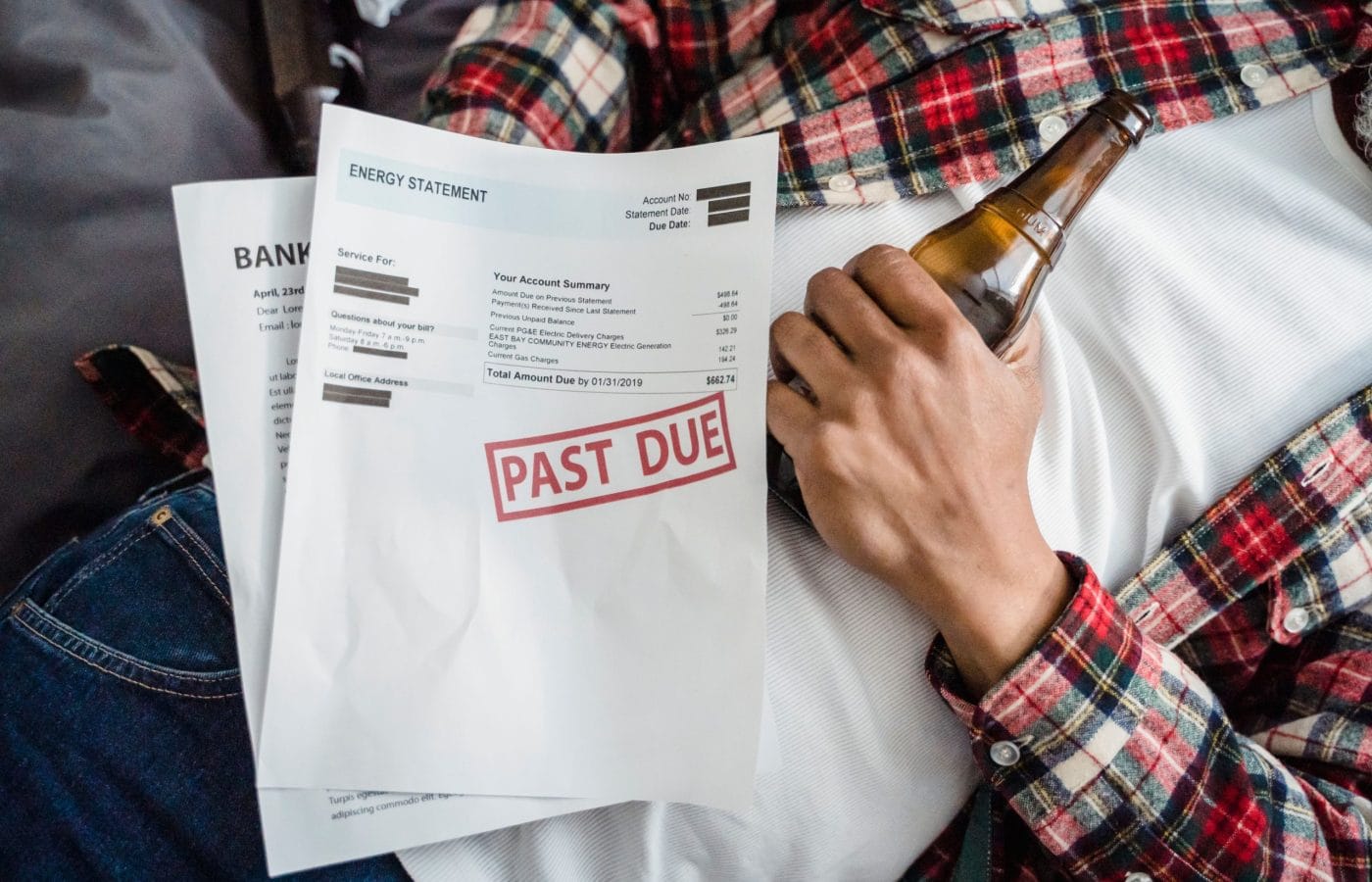
7 Debt Repayment Mistakes That Can Keep You in Debt Longer

Getting out of debt is not only about making payments. The way you manage your repayments, spending habits, interest costs, and new borrowing can have a major effect on how quickly you become debt-free.
Many people make regular debt payments but still feel as though their balances are barely changing. In some cases, the problem is not a lack of effort. It may be an ineffective repayment strategy, high borrowing costs, unnecessary new debt, or a budget that does not leave enough room for meaningful progress.
Recognizing these mistakes can help you make better decisions and build a more realistic debt repayment plan.
Key Takeaways
- Making payments without a clear repayment strategy can slow your progress.
- High-interest debt can become significantly more expensive when balances remain outstanding for longer.
- Paying only minimum amounts may keep an account current without eliminating the balance quickly.
- Completely ignoring emergency savings can increase the risk of borrowing again when unexpected expenses occur.
- Taking new debt while trying to eliminate existing debt can undermine your progress.
- A realistic budget can help create room for consistent debt repayment.
- The best debt strategy is one you can maintain consistently over time.
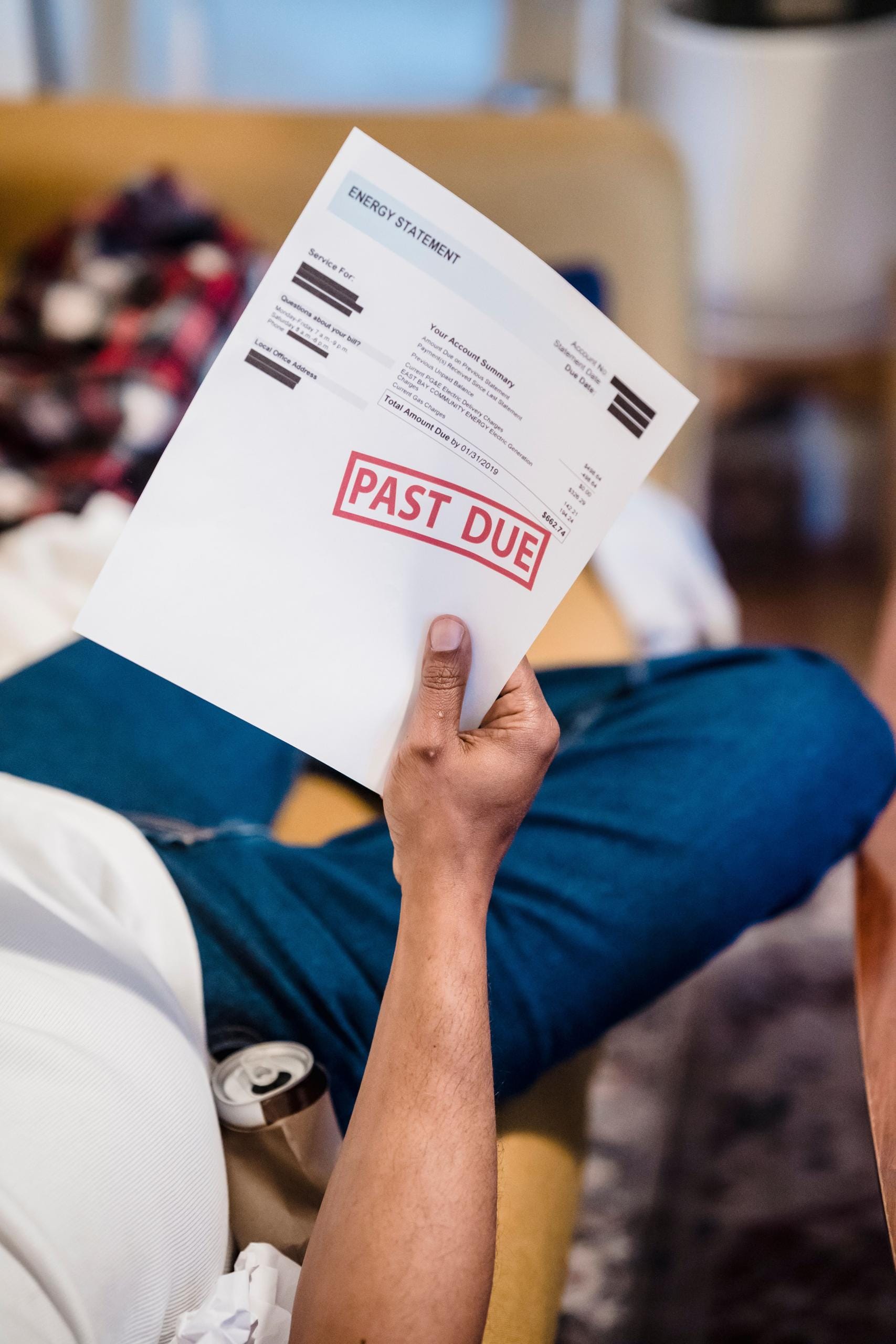
Why Debt Repayment Mistakes Matter
Debt repayment can take time, especially when you have multiple obligations or borrowing costs that are relatively high. Small mistakes repeated every month can make the process longer and more expensive.
For example, someone may focus entirely on paying the smallest balance while ignoring a much higher-interest debt. Another person may put nearly all available income toward debt and leave nothing for unexpected expenses. When an emergency happens, they may have to borrow again.
Effective debt management requires more than simply paying whatever amount is available. You need to understand what you owe, how much your borrowing costs, and how your repayment plan fits into your overall financial situation.
If you want a complete explanation of how to organize debts, compare repayment methods, understand interest, and create a sustainable repayment strategy, read our complete guide to debt management and paying off debt faster.
1. Making Payments Without a Clear Repayment Plan
One of the most common mistakes is making debt payments without deciding which debts should receive additional money first.
If you have several loans, credit accounts, or other obligations, simply paying whatever amount feels comfortable each month may not be the most effective approach.
Start by creating a complete list of your debts. Record:
- Outstanding balance
- Interest rate
- Minimum payment
- Payment due date
- Applicable fees and charges
- Any conditions relating to additional or early payments
This gives you a clearer picture of your financial position and allows you to decide how to prioritize your repayment efforts.
How to Improve This
Choose a repayment strategy that matches your circumstances. Two commonly discussed approaches are the debt snowball and debt avalanche methods.
The snowball approach generally prioritizes the smallest balance first, while the avalanche approach generally prioritizes the debt with the highest interest rate.
Neither approach is automatically right for everyone. The important thing is to understand the difference and choose a method you can follow consistently.
2. Paying Only the Minimum Without Understanding the Cost
Minimum payments are important because they help you meet the required repayment terms of your debt. However, making only the minimum payment may mean that your balance takes much longer to eliminate.
Depending on the borrowing agreement, part of your payment may go toward interest and other charges before reducing the principal balance.
This means that a debt can remain outstanding for a long period even when you are making regular payments.
How to Improve This
Review your loan or credit agreement and understand how payments are applied. If additional payments are permitted without unfavorable charges and your budget allows it, consider directing extra money toward your priority debt.
Even additional payments made consistently can make a difference over time, although the exact impact depends on the terms of the specific debt.
3. Ignoring High-Interest Debt
Not all debts have the same financial cost. A relatively small balance with a high interest rate can potentially cost you more over time than a larger balance with a much lower rate.
This is why looking only at the size of your outstanding balances can lead to an incomplete picture.
For example, imagine you have:
- Debt A: 20,000 at a relatively high interest rate
- Debt B: 100,000 at a relatively low interest rate
Although Debt B has the larger balance, Debt A may deserve additional attention if its borrowing cost is significantly higher.
How to Improve This
List the interest rate associated with every debt you have. Then consider whether prioritizing your highest-cost debt makes sense for your financial situation.
This is the basic principle behind the debt avalanche method, which focuses additional repayment on the debt with the highest interest rate.
Remember that the interest rate is only one factor. Your repayment terms, fees, income, and ability to maintain the strategy also matter.

4. Putting Every Available Shilling Toward Debt
It may seem logical to use every available amount of money to pay down debt as quickly as possible. However, an extremely aggressive repayment plan can create another problem if it leaves you with no financial cushion.
Unexpected expenses are a normal part of life. You may face an urgent repair, medical expense, temporary reduction in income, or another necessary cost.
If you have no savings available, you may have to take on new debt to cover the expense.
How to Improve This
Consider debt repayment and emergency savings as connected parts of your financial plan.
The right balance depends on factors such as your income stability, the cost of your debt, essential expenses, and existing savings.
The objective is not necessarily to build a large emergency fund before making any debt payments. Instead, aim to create a repayment plan that reduces debt while also reducing the risk of needing new borrowing when an unexpected expense occurs.
5. Taking New Debt While Trying to Pay Off Existing Debt
Another major mistake is repeatedly borrowing while attempting to eliminate existing balances.
New borrowing can sometimes be necessary. For example, a person may need financing for an important expense that cannot reasonably be postponed. However, using new debt to fund unnecessary spending can undermine a repayment plan.
A common cycle looks like this:
- Existing debt creates pressure on monthly income.
- There is little money left after repayments and essential expenses.
- An unexpected or discretionary expense appears.
- New credit or borrowing is used to cover it.
- The total amount owed increases.
Breaking this cycle requires addressing both the existing debt and the spending or cash-flow problem that is causing additional borrowing.
How to Improve This
Before taking on new debt, ask yourself whether the expense is necessary, whether there is another way to pay for it, and how the new repayment would affect your existing budget.
Borrowing should be considered carefully because every new repayment obligation reduces future financial flexibility.
6. Creating a Debt Budget That Is Too Strict
Another mistake is creating a repayment plan that looks excellent on paper but is impossible to maintain in real life.
For example, someone might decide to put almost all disposable income toward debt while leaving no room for transportation changes, household expenses, irregular bills, or modest personal spending.
The plan may work for one or two months before becoming difficult to maintain.
A sustainable plan is generally more useful than an extreme plan that is abandoned quickly.
How to Improve This
Create a realistic monthly budget that accounts for essential expenses, debt payments, savings, and reasonable personal spending.
Your budget should help you understand exactly how much money can consistently be directed toward debt.
If you need help building that foundation, see our monthly budgeting guide for practical steps to organize income and expenses.
7. Failing to Change the Habits That Created the Debt
Paying off debt is important, but it may not solve the underlying problem if the spending habits that contributed to the debt remain unchanged.
For example, someone may pay off a credit card only to begin accumulating another balance because their monthly spending still exceeds their available income.
Debt repayment should therefore be viewed as both a financial process and an opportunity to improve money-management habits.
How to Improve This
Look at the reasons you accumulated debt in the first place.
Was it caused by an emergency? Overspending? Irregular income? A lack of savings? Financing a major purchase? Business expenses? Or simply not having a clear budget?
Understanding the cause can help you develop a strategy to prevent the same problem from happening again.
Small changes can include tracking spending, reducing unnecessary recurring expenses, building savings, planning for irregular costs, and avoiding unnecessary borrowing.
What to Do If You Have Already Made These Mistakes
Making mistakes with debt does not mean you cannot recover. The important thing is to stop repeating the problem and create a clearer plan from your current financial position.
Start with these steps:
- List every debt. Write down the balance, interest rate, minimum payment, and due date.
- Review your monthly income. Determine how much money you actually have available after essential expenses.
- Track your spending. Look for expenses that can reasonably be reduced or eliminated.
- Choose a repayment priority. Decide whether the snowball or avalanche approach is more appropriate for you.
- Continue making required payments. Do not neglect other debts while concentrating on your priority debt.
- Consider extra payments carefully. Check the terms of your borrowing before making additional payments.
- Reduce unnecessary new borrowing. Avoid creating additional balances while working on existing debt.
- Review your progress regularly. Adjust your plan when your income, expenses, or debt terms change.
A Simple Example of a Better Debt Repayment Approach

Suppose someone has three debts and has enough income to make all required payments plus a small additional amount each month.
Instead of randomly distributing the extra money, they could first record the balance and interest rate of every debt. They could then choose a repayment strategy.
Under a snowball approach, the additional money would generally go toward the smallest balance first. Under an avalanche approach, it would generally go toward the highest-interest debt first.
Once the first priority debt is cleared, the money that had been allocated toward it can be redirected toward the next debt.
This creates a structured process rather than relying on guesswork each month.
Debt Repayment Requires Consistency
There is no single trick that eliminates debt overnight. For most people, successful debt repayment is built through consistent decisions made over many months or years.
The most important step is understanding your financial position and creating a strategy that fits your circumstances.
You should know what you owe, understand the cost of your borrowing, make required payments on time, and decide how additional money will be allocated.
At the same time, protecting yourself from unnecessary new borrowing and maintaining an appropriate financial cushion can help make your progress more sustainable.
Final Thoughts
Debt repayment mistakes can make an already difficult financial situation harder. Paying only minimum amounts without understanding the cost, ignoring high-interest debt, having no emergency savings, taking unnecessary new borrowing, and following an unrealistic budget can all interfere with your progress.
The good news is that these problems can be addressed with a more organized approach.
Start by understanding exactly what you owe. Build a realistic budget, prioritize your debts, make required payments consistently, and consider additional payments where appropriate. Most importantly, work on the financial habits that can help you avoid returning to the same cycle.
For a deeper step-by-step look at debt repayment strategies, interest, multiple debts, extra payments, emergency savings, and long-term debt management, read the SkyPress Complete Guide to Debt Management and Paying Off Debt Faster.
Frequently Asked Questions About Debt Repayment Mistakes
What is the biggest mistake when paying off debt?
One common mistake is making payments without having a clear understanding of all debts, interest rates, minimum payments, and repayment priorities. A structured plan can make debt repayment easier to manage.
Should I pay the smallest debt first?
The debt snowball method prioritizes the smallest balance first. This can provide quick psychological wins and motivation. However, the debt avalanche method prioritizes the highest-interest debt and may reduce interest costs more efficiently. Your circumstances and ability to stay consistent should guide your choice.
Should I save money while paying off debt?
It can be useful to maintain some emergency savings while repaying debt because unexpected expenses can otherwise force you to borrow again. The appropriate balance depends on your income, expenses, debt costs, and financial circumstances.
Is paying only the minimum payment a bad idea?
Minimum payments are important for meeting repayment requirements, but paying only the minimum may result in a longer repayment period depending on the terms of the debt. If your budget allows, additional payments may help reduce the balance faster where permitted.
How can I stop getting into more debt?
Start by identifying why you are borrowing. Creating a realistic budget, tracking expenses, building appropriate emergency savings, reducing unnecessary spending, and carefully evaluating new borrowing can help prevent existing debt from growing.
What should I do if I cannot afford my debt payments?
If your required payments are becoming unaffordable, review your budget and contact the relevant lender or financial institution as early as possible to understand what options may be available. Depending on your circumstances, professional financial or debt advice may also be appropriate.
A realistic budget is an important part of successful debt repayment because it helps you understand where your money is going and how much you can consistently allocate toward your debts. For more practical guidance, read our monthly budgeting guide .
If your income changes from month to month, your debt repayment strategy may also need to be flexible. Our guide on budgeting with an irregular income explains how to manage expenses and prepare for lower-income months.
Debt repayment is also part of a broader financial plan. Learn how to connect budgeting, saving, debt management, and long-term goals in our guide to creating a personal finance plan .
Disclaimer
This article is provided for educational and informational purposes only. It is not financial, investment, legal, credit, or debt-management advice, and it does not take into account your individual financial circumstances. Debt terms, interest rates, fees, repayment conditions, and consumer protections vary between lenders, products, and jurisdictions. Review your specific loan or credit agreement and consider seeking qualified professional advice where appropriate.
Sources
- Consumer financial education resources on budgeting, borrowing, repayment, and managing debt.
- Individual lender or financial-institution loan agreements and repayment terms should be reviewed for product-specific conditions.