
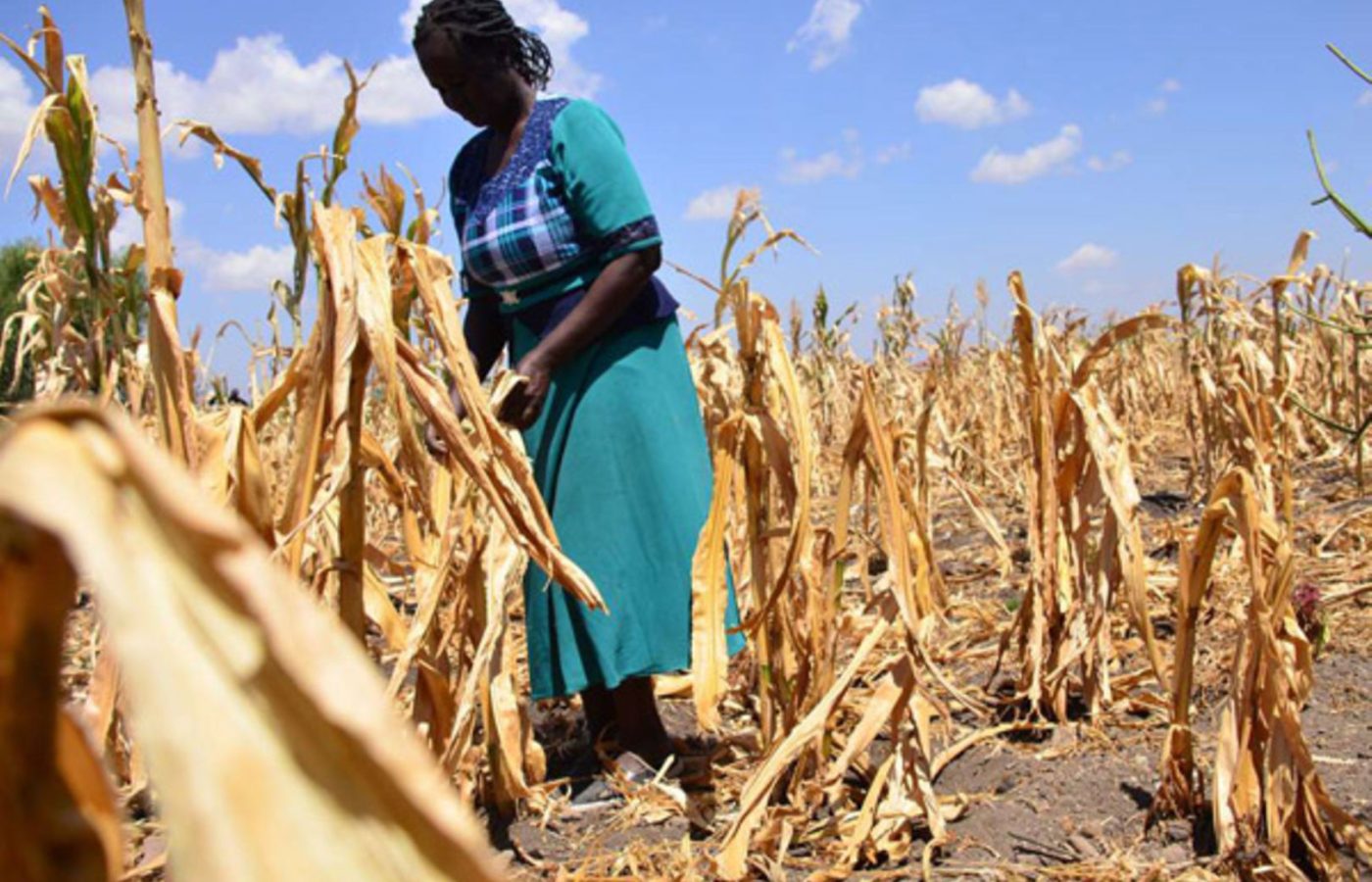
North Rift Farmers Count Heavy Losses as Drought Devastates 2026 Maize Harvest

Kenya’s traditional food basket is facing a difficult farming season, with prolonged dry spells, collapsing yields and tightening maize supplies raising fresh concerns over national food security and the cost of staple foods.
A difficult season for Kenya’s food basket
For generations, Kenya’s North Rift region has carried the responsibility of feeding millions of households across the country. The vast agricultural fields of Uasin Gishu, Trans Nzoia, Nandi, Elgeyo-Marakwet and neighbouring counties have traditionally supplied substantial quantities of maize to the national market.
However, the 2026 farming season has presented a dramatically different picture. Farmers who invested heavily in land preparation, certified seeds, fertiliser and labour are now counting substantial losses following unfavourable weather conditions that disrupted crop development during critical stages of the growing season.
What initially appeared to be a promising agricultural season turned into a difficult experience for thousands of farmers after rainfall became increasingly unreliable, particularly during the June-to-September period.
The consequences are now becoming evident as farmers assess their fields, harvest whatever grain they can salvage and struggle to recover their production costs.
The situation is particularly worrying because the affected region is among Kenya’s most important sources of maize, the country’s principal staple food.
Farmers face devastating production losses
Reports emerging from Trans Nzoia County illustrate the magnitude of the crisis.
In a report published on October 20, 2026, The Star highlighted the experiences of farmers whose harvests had fallen dramatically following prolonged dry conditions.
One farmer, Mary Kungu, who had traditionally harvested between 65 and 70 bags from five acres, managed to obtain only two bags this season.
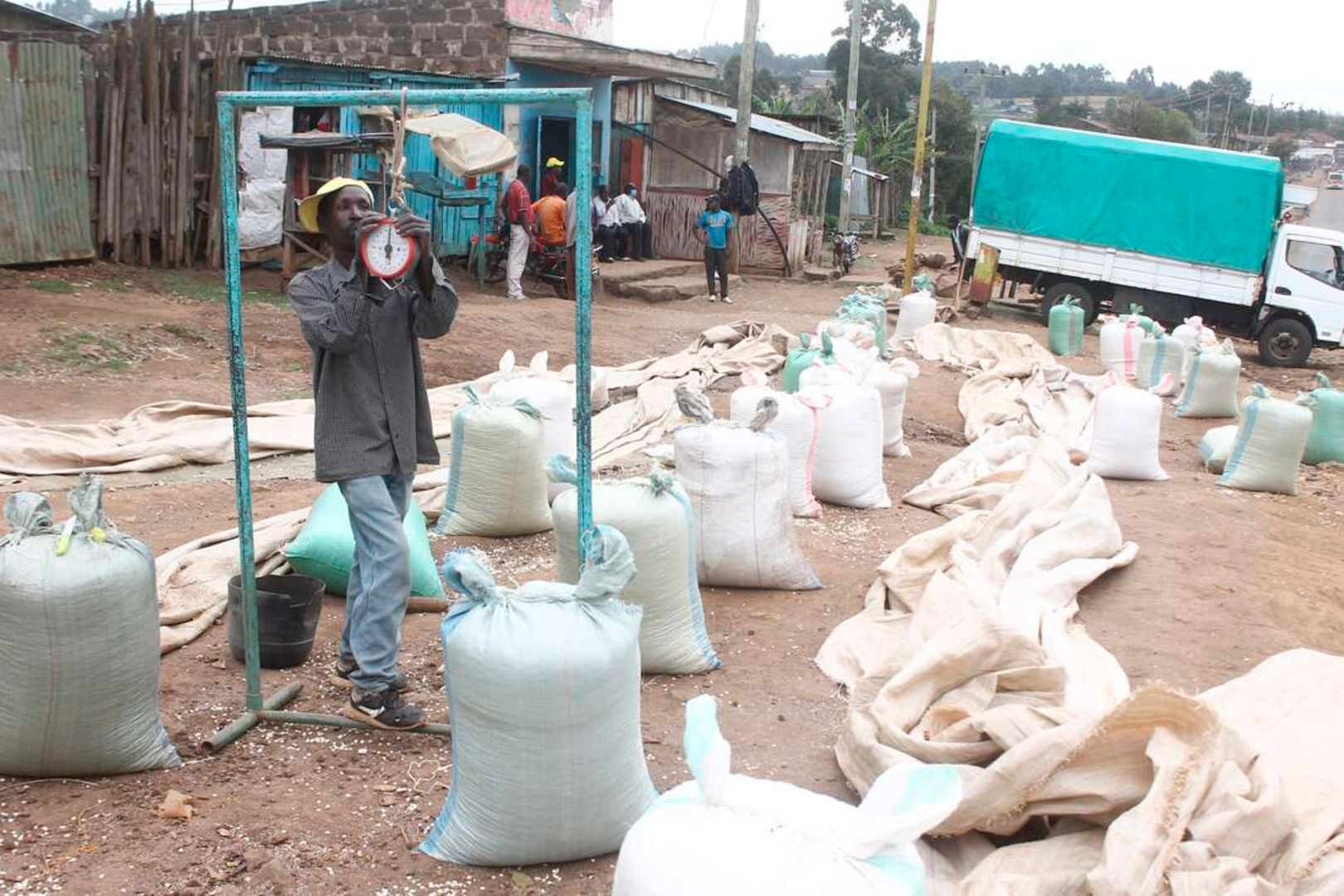
Photo: SkyPress
Another farmer, Joseph Njoroge, reported harvesting just eight bags from four acres, compared with the 100 to 120 bags he would normally expect from the same acreage during favourable seasons.
The report also cited estimates from Trans Nzoia agricultural officials indicating that more than 50,000 acres of maize had been destroyed by prolonged dry conditions.
These experiences demonstrate that the problem extends beyond slightly reduced yields. For some households, the season has resulted in almost total crop failure.
Farmers who borrowed money to finance production are particularly vulnerable because their expected income from maize sales may no longer be sufficient to repay loans or finance the next planting season.
How weather conditions affected maize production
The weather disruption is central to understanding the poor harvest.
FEWS NET, an organisation that monitors food security and agricultural conditions, published a regional seasonal assessment on September 11, 2026, warning of below-average crop production in western Kenya.
Its assessment specifically identified Trans Nzoia, Uasin Gishu and Nakuru among the affected high-potential agricultural counties.
The report explained that moisture deficits occurred during important crop development stages, particularly flowering and grain filling.
These stages are critical in maize production. During flowering, the plant requires sufficient moisture for successful pollination and cob formation. During grain filling, adequate water is necessary for kernels to develop and accumulate weight.
When rainfall stops or becomes insufficient during these stages, plants may produce poorly developed cobs, incomplete kernel formation or almost no harvestable grain.
This helps explain why some farmers report fields that initially appeared healthy but eventually produced very little maize.
The US Department of Agriculture’s Foreign Agricultural Service also highlighted the severity of the situation in its October 2026 assessment. It estimated Kenya’s 2026/27 maize production at approximately 2.2 million metric tonnes, 39 per cent below the five-year average.
The assessment attributed the substantial production decline to severe rainfall deficits and drought conditions affecting major maize-growing counties, including Trans Nzoia, Uasin Gishu and Bungoma.
Maize prices rise as available supplies tighten
One of the most important developments emerging from the poor harvest is the relationship between declining production and maize buying prices.
Ordinarily, the arrival of the main North Rift harvest increases the quantity of maize entering the market. This additional supply can moderate prices and provide millers and traders with an opportunity to replenish their stocks.
However, the 2026 season is presenting a different market environment. With many farmers harvesting significantly less than expected, the volume of locally produced maize available for purchase is under pressure.
The National Cereals and Produce Board (NCPB) announced a buying price of KSh4,000 for a 90kg bag of Grade 1 and Grade 2 maize in January 2026.
But the official buying price should not be confused with the actual price every farmer receives. Quality requirements, moisture content, transport expenses, delivery arrangements and the availability of competing buyers all influence the final transaction.
Reporting by The Star on October 20 indicated that farmers in Trans Nzoia were receiving prices of approximately KSh4,000 and above per 90kg bag. One farmer explained that the improved price offered little comfort because there was hardly enough maize to sell.
Additional market information published by Soko Directory on October 15, citing the Warehouse Receipt System Council, placed the national average price of white maize at KSh4,243.50 per 90kg bag as of October 12.
Meanwhile, KNBS data for August 2026 showed considerable variations in retail prices across North Rift markets. Dry maize was retailing at KSh57.80 per kilogramme in Kitale, KSh42.60 in Eldoret and KSh55 in Kapsabet.
These figures translate to approximately KSh5,202, KSh3,834 and KSh4,950 respectively for 90kg, but they represent retail prices rather than farm-gate buying prices.
The differences underline the importance of distinguishing between what farmers receive and what consumers pay in the market.
Higher prices do not necessarily mean better returns for farmers
Although higher maize prices might initially appear favourable to producers, the reality is more complicated.
Consider a farmer who normally harvests 30 bags per acre but obtains only five bags because of crop failure.
Even if the market price rises from KSh3,800 to KSh4,300 per bag, the farmer’s gross revenue would fall from KSh114,000 to KSh21,500 per acre.
This hypothetical illustration shows why improved market prices cannot automatically compensate for a substantial decline in production.
Farmers must also account for the money already spent on inputs, labour, transport and other production expenses.
For many small-scale producers, the biggest challenge may therefore be recovering their initial investment rather than benefiting from the improved price of maize.
Kenya faces a widening maize supply challenge
The consequences of the North Rift production crisis extend beyond individual farming households.
In August 2026, Agriculture and Livestock Development Cabinet Secretary Mutahi Kagwe indicated that Kenya was facing a potential maize supply deficit of approximately 25 million 90kg bags against annual consumption estimated at around 75 million bags.
The government subsequently announced arrangements to facilitate the importation of up to 25 million bags to bridge the anticipated supply gap.
The intervention is intended to protect consumers, maintain adequate supplies for millers and reduce the risk of sharp increases in maize flour prices.
The Star also reported on September 3 that the government was considering yellow maize imports to ease competition between animal-feed manufacturers and millers dependent on white maize.
This distinction is important because maize shortages affect more than households that depend on ugali. The grain is also an essential raw material in commercial animal feeds, meaning supply constraints can increase production costs in the poultry, dairy, pig and livestock industries.
Industry representatives have already raised concerns about increasing feed costs, with possible consequences for the prices of eggs, meat and other animal products.
What happens to the next planting season?
Following the disappointing harvest, attention is shifting towards the next planting opportunity and the possibility of helping affected farmers recover.
However, the financial consequences of the failed season could discourage some producers from immediately returning to their fields.
Farmers must consider the cost of purchasing fresh seeds, fertiliser, fuel, labour and other inputs, particularly when the previous investment has not generated sufficient returns.
In a September 5 report, Daily Nation highlighted the reluctance among some drought-affected farmers in the North Rift to replant, despite government efforts to reduce the cost of subsidised agricultural inputs.
The uncertainty surrounding rainfall patterns and the risk of repeating the same losses remain major considerations.
FEWS NET’s September outlook anticipated improved October-to-December rainfall across western Kenya, potentially creating opportunities for additional planting. However, a favourable seasonal forecast does not guarantee that every farming area will receive sufficient and well-distributed rainfall.
Farmers therefore need reliable local weather information, appropriate crop varieties and guidance on planting windows before committing additional resources.
The bigger question: Is Kenya too dependent on rain-fed agriculture?
The 2026 experience has once again exposed the vulnerability of Kenya’s agricultural production system to unpredictable weather conditions.
Despite the distribution of subsidised fertiliser and certified seeds, farmers cannot achieve expected yields when essential rainfall requirements are not met.
The situation raises important questions about the country’s preparedness for increasingly unpredictable climatic conditions.
Expanding irrigation infrastructure, investing in drought-tolerant maize varieties, improving agricultural extension services and strengthening weather forecasting systems should form part of a long-term response.
There is also a need for stronger agricultural insurance arrangements that can protect farmers against major weather-related production losses.
County governments and national agricultural institutions must work together to ensure that farmers have access to practical information on alternative crops, crop diversification and farming methods suited to changing weather patterns.
For the North Rift, the challenge is not simply producing another maize harvest. It is rebuilding the resilience of a farming economy that supports millions of Kenyans beyond the region itself.
Conclusion: A difficult year with national consequences
The poor 2026 maize harvest is a reminder of how closely Kenya’s food security is connected to the fortunes of its farming communities.
For North Rift farmers, the immediate concern is recovering from heavy financial losses and finding the resources to return to production. For consumers, the concern is whether tightening maize supplies will translate into more expensive flour and other food products.
Although higher maize buying prices may offer some relief to farmers with grain available for sale, they cannot replace the production lost in the fields.
The government must therefore balance two important priorities: protecting consumers from excessive food prices while ensuring that local producers receive sufficient support to remain in farming.
Ultimately, the North Rift’s difficult season should be treated as a national agricultural warning. Kenya cannot afford to depend on favourable rainfall alone to guarantee the country’s food supply.
Key Takeaways
- North Rift maize production has suffered significant losses following prolonged dry conditions.
- Trans Nzoia officials estimated that more than 50,000 acres of maize were destroyed.
- FEWS NET identified Trans Nzoia, Uasin Gishu and Nakuru among the counties expecting below-average production.
- The NCPB buying price for Grade 1 and Grade 2 maize was set at KSh4,000 per 90kg bag.
- The national average maize price reached KSh4,243.50 per 90kg bag on October 12, according to the Warehouse Receipt System Council.
- Kenya faces an anticipated maize supply deficit of approximately 25 million bags.
- Investment in irrigation, climate resilience and agricultural insurance is increasingly important.
Frequently Asked Questions
Why has maize production declined in the North Rift in 2026?
Prolonged dry spells and insufficient rainfall during important crop development stages, particularly flowering and grain filling, have contributed to widespread crop losses.
What is the current NCPB maize buying price?
The announced buying price for Grade 1 and Grade 2 maize is KSh4,000 per 90kg bag. Actual market prices may differ depending on quality, location and buyer arrangements.
Why are maize prices increasing despite the poor harvest?
Reduced local production means less maize is available to meet demand from millers, traders, livestock-feed manufacturers and households. Tighter supplies can put upward pressure on market prices.
Will Kenya import maize to address the shortage?
The government announced plans to facilitate imports of up to 25 million 90kg bags to address the anticipated national supply deficit.
Can farmers recover during the next planting season?
Recovery will depend on rainfall distribution, access to affordable farm inputs, suitable crop varieties and timely agricultural support.
Sources and Further Reading
- FEWS NET – September 2026 East Africa Seasonal Monitor
- The Star – Trans Nzoia maize farmers count losses after massive crop failure, October 20, 2026
- Kenya National Bureau of Statistics – Leading Economic Indicators, August 2026
- Kenya News Agency – North Rift leaders seek urgent action against drought
- Kenya News Agency – Government plans maize imports to address supply deficit
- The Star – Kenya to import yellow maize due to crop failure, September 3, 2026
- Soko Directory – Maize Prices Remain High Across Kenyan Markets, October 15, 2026
- Daily Nation – Drought-hit farmers wary of replanting, September 5, 2026
- USDA Foreign Agricultural Service – Severe El Niño Drought Reduces Kenya 2026/27 Corn Production, October 2026
Disclaimer
This article is published for general news and informational purposes. Market prices and agricultural production estimates may change as additional official data becomes available. Figures attributed to individual farmers and county officials reflect reported experiences and estimates rather than a final nationwide agricultural census.
© 2026 SkyPress by Skyrexx. All rights reserved.