
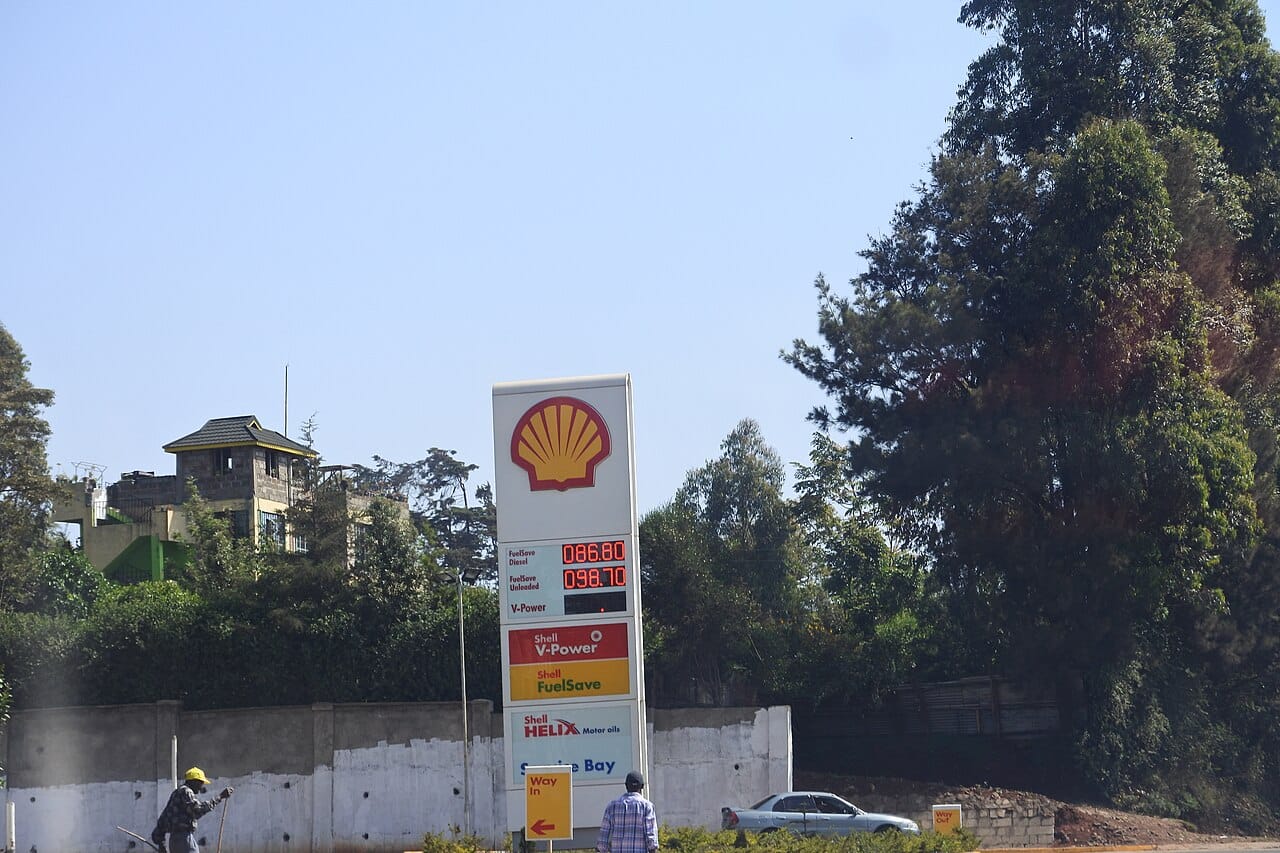
Oil Prices Fall: Will Petrol and Diesel Prices Drop in Kenya?

International oil prices have extended their decline after US President Donald Trump indicated that the military confrontation with Iran could be approaching an end, raising hopes that disrupted petroleum supplies from the Middle East could gradually recover.
The latest movement has brought renewed attention to the outlook for global energy markets during the final weeks of 2026. For countries that depend heavily on imported petroleum, including Kenya, the possibility of cheaper oil offers some hope of relief after months of expensive fuel.
However, the international price decline presents a more complicated picture than simply expecting motorists to pay less at filling stations. Shipping restrictions, uncertainty surrounding negotiations with Iran, tight petroleum inventories and the cost of importing refined products could continue to influence fuel prices.
For Kenyan households and businesses already struggling with high transport and operating expenses, the most important question is whether the latest developments will translate into lower petrol, diesel and kerosene prices or whether consumers will continue paying elevated prices into December.
Oil prices retreat as Trump signals possible end to Iran conflict
International crude benchmarks weakened in Asian trading after President Trump suggested that the conflict involving the United States and Iran could be nearing an end.
According to Reuters market reporting on November 10, Brent crude was trading around $91.88 per barrel, while US West Texas Intermediate (WTI) stood at approximately $86.07. Brent had also recorded a substantial decline in the previous trading session.
The latest movement reflects a reduction in the geopolitical risk premium that had pushed oil prices significantly higher during the conflict.
Energy traders had previously priced in the possibility of prolonged disruptions to petroleum shipments from the Middle East, particularly through the Strait of Hormuz, one of the world’s most important energy transportation routes.
Trump’s comments followed discussions involving Qatar’s Prime Minister, Sheikh Mohammed bin Abdulrahman Al-Thani, as diplomatic efforts continued to explore a possible resolution.
Nevertheless, the situation remains uncertain. Iranian officials have disputed claims that direct negotiations with Washington are taking place, while the United States intends to maintain its naval blockade against Iran.
Consequently, the decline in oil prices represents improving market expectations rather than confirmation that normal petroleum shipments have resumed.
Strait of Hormuz remains a major risk to oil supply
The Strait of Hormuz remains central to the outlook for oil prices during the remainder of 2026.
The narrow waterway connects the Persian Gulf with international shipping routes and is an important corridor for petroleum exports from major Middle Eastern producers.
Any prolonged restrictions on shipping through the area can increase transportation expenses, insurance premiums and delivery delays. These additional costs can eventually affect the price of petroleum products in importing countries.
Even if diplomatic progress reduces the likelihood of further military escalation, the return of normal shipping conditions may take longer.
Oil-producing countries and shipping companies would need greater confidence that vessels can safely move through the region before international petroleum trade fully normalises.
This explains why oil prices can remain relatively high even when political statements suggest that a conflict could be nearing an end.
OPEC production recovery offers hope for additional supply
There are, however, encouraging developments on the supply side.
A Reuters survey published on November 9 indicated that crude oil production among the 11 OPEC members covered by the survey increased by approximately 1.38 million barrels per day in October to 22.87 million barrels per day.
The increase brought production to approximately 90% of the group’s February level before the Iran conflict disrupted regional production and exports.
Saudi Arabia, Kuwait and Iraq were among the major contributors to the recovery.
Although production remains below pre-conflict levels, the improvement suggests that some producers are gradually restoring output despite continuing logistical challenges.
Additional supply could help ease pressure on international petroleum markets if the recovery continues into November and December.
However, higher production figures should not be confused with a complete restoration of export capacity. Some oil may remain difficult to transport, while disruptions affecting Iranian shipments and other regional routes continue to constrain available supplies.
China’s oil imports provide another important market signal
Demand from China is another important factor influencing the direction of global oil prices.
Chinese customs data reported by Reuters on November 10 showed that crude oil imports reached 41.94 million metric tonnes in October, equivalent to approximately 9.88 million barrels per day.
The daily import rate increased by 9.4% compared with September, marking the strongest monthly level since March.
The increase suggests that Chinese buyers continued securing substantial quantities of crude oil despite disruptions affecting Middle Eastern supplies.
However, the figures require some qualification. October imports were still 13.3% lower than in the corresponding month of 2025, while imports during the first ten months of the year remained below the previous year’s level.
China’s increased monthly purchases therefore do not necessarily demonstrate a sustained acceleration in global oil demand.
For the international market, the combination of improving OPEC production and continued Chinese purchasing creates competing forces. More available supply could put downward pressure on prices, while resilient demand could prevent a deeper decline.
What is the outlook for oil prices through December 2026?
The remainder of 2026 is likely to be characterised by a combination of downward price pressure and continuing geopolitical uncertainty.
The recent decline in Brent crude provides evidence that markets are beginning to price in a potentially less disruptive Middle East situation.
However, forecasts published before the latest diplomatic developments indicate that the underlying supply situation remains fragile.
The US Energy Information Administration’s October 2026 Short-Term Energy Outlook projected that Brent crude would average approximately $105 per barrel in the fourth quarter of 2026. Its forecast was completed on October 1, before the latest market developments.
The International Energy Agency’s October Oil Market Report also warned that global petroleum inventories had been significantly depleted and that supply disruptions were affecting the availability of refined products, particularly diesel.
These assessments highlight an important distinction: a temporary reduction in geopolitical tensions does not immediately restore the oil stocks and supply capacity lost during a prolonged disruption.
The following factors are likely to determine the direction of oil prices through the end of the year:
- Iran negotiations: A credible agreement and a lasting reduction in hostilities could encourage a further decline in crude prices.
- Strait of Hormuz: Continued restrictions or attacks on shipping could quickly reverse recent market gains.
- OPEC production: Further recovery in output could improve global availability and reduce supply pressures.
- Chinese demand: Stronger purchases could support prices, particularly if they are accompanied by increased refinery activity.
- Global inventories: Rebuilding petroleum stocks would help reduce the risk of sudden price increases.
The most reasonable expectation is that oil prices could remain volatile, with scope for further declines if supply conditions improve. A sustained return to significantly lower prices, however, will depend on more than political announcements.
Kenya’s fuel prices: Will motorists finally get some relief?
For Kenyan consumers, the international oil price movement is particularly important because the country relies heavily on imported petroleum products.
The decline in Brent crude offers a potentially positive development for Kenya’s fuel import bill. However, the effect on petrol stations is neither automatic nor immediate.
Kenya’s Energy and Petroleum Regulatory Authority (EPRA) determines maximum retail prices using a regulated pricing formula that incorporates the cost of imported petroleum products alongside other expenses.
These include international product prices, freight, insurance, exchange-rate movements, handling, storage, transportation, financing costs, approved marketing margins and applicable taxes.
An important consideration is that Kenya imports refined petroleum products. This means that the price of Brent crude alone does not determine the amount importers pay for petrol and diesel.
International prices of finished petroleum products, including gasoline and automotive diesel, also matter.
Current fuel prices in Nairobi
The latest published EPRA price schedule, covering October 15 to November 14, 2026, placed Nairobi’s maximum retail prices at the following levels:
| Fuel product | Price per litre |
|---|---|
| Super Petrol | KSh 226.96 |
| Diesel | KSh 227.76 |
| Kerosene | KSh 219.87 |
These are EPRA’s maximum permitted retail prices for Nairobi, not necessarily the exact prices charged by every individual filling station. The applicable prices differ across towns.
The October review was particularly difficult for consumers, with petrol increasing by KSh 12.93 per litre, diesel by KSh 9.90 and kerosene by KSh 28.49.
The increases have placed additional pressure on motorists, public transport operators, farmers, manufacturers and households that depend on petroleum products.
Why the November fuel review may not deliver a major reduction
EPRA normally publishes its regulated petroleum prices on the 14th of each month, with the new prices taking effect on the 15th.
However, one detail in the pricing formula could make a significant difference to the next review.
The regulator calculates the weighted average landed cost using qualifying petroleum cargoes discharged at Mombasa between the 10th day of the previous month and the 9th day of the pricing month.
This means the November pricing assessment primarily reflects cargoes discharged between October 10 and November 9.
The latest substantial market reaction to Trump’s comments occurred around November 9 and 10. Some of the most recent price reductions may therefore have occurred too late to be fully reflected in the import-cost assessment for the November 15 pricing period.
Consequently, even if international oil prices continue declining, motorists should not automatically expect a substantial reduction in the next EPRA announcement.
The extent of any adjustment will depend on the actual costs of imported refined products during the assessment period, together with the exchange rate and other regulated components.
Could a stronger shilling help reduce fuel prices?
The exchange rate is another important factor in determining how international petroleum prices affect Kenyan consumers.
Petroleum imports are generally purchased in US dollars. Consequently, the value of the Kenyan shilling influences how much local importers pay when converting their foreign-currency obligations into local currency.
According to the Central Bank of Kenya’s published indicative exchange-rate data, the US dollar was trading at approximately KSh 129.96 on November 9, 2026.
If the shilling remains relatively stable or strengthens against the dollar, it could help reinforce the benefits of lower international petroleum prices.
Conversely, a weakening shilling could offset part of the savings generated by cheaper imported fuel.
This is why international crude oil prices and the exchange rate must be considered together when assessing the outlook for Kenyan pump prices.
Will petrol and diesel prices fall or remain high in Kenya?
The latest developments provide grounds for cautious optimism, but the immediate outlook remains uncertain.
There are three possible scenarios for Kenyan consumers during the remaining weeks of 2026.
1. A modest reduction if lower import costs continue
If Brent crude remains around current levels or declines further, while international petrol and diesel prices also ease, Kenya could begin experiencing lower landed import costs.
A stable exchange rate would strengthen this possibility.
Under these conditions, EPRA could announce lower maximum retail prices in a subsequent monthly review.
2. Prices remain broadly unchanged if savings are insufficient
If international prices decline only temporarily, or if the cost of imported refined products remains elevated, the savings may not be sufficient to produce a meaningful reduction at the pump.
High shipping expenses, insurance costs, inventory financing and other components of the pricing formula could also limit the adjustment.
This scenario means motorists could continue paying prices close to the current levels even as crude oil becomes cheaper internationally.
3. Another increase if Middle East tensions escalate
The possibility of renewed hostilities cannot be ignored.
A breakdown in diplomatic efforts, further attacks on energy infrastructure or prolonged restrictions affecting the Strait of Hormuz could send international petroleum prices higher again.
If this happens, Kenya could face renewed pressure on its fuel import bill, potentially reversing some of the relief expected from the recent market decline.
The most likely near-term outcome is not an immediate dramatic reduction in Kenyan pump prices. A period of relatively high prices or a modest adjustment remains possible while import costs catch up with the international market decline.
More meaningful relief will depend on sustained lower prices for refined petroleum products, improved shipping conditions and a favourable exchange rate.
What cheaper oil could mean for Kenya’s economy
A sustained reduction in international petroleum prices would have implications far beyond the amount motorists pay at filling stations.
Fuel is a major operating expense for several sectors of the Kenyan economy. Transport companies, agricultural producers, manufacturers and distributors all depend on petroleum products to move goods and maintain operations.
If fuel prices eventually decline, transport operators could experience lower operating expenses, potentially easing pressure on passenger fares and freight charges.
Farmers could also benefit from reduced diesel expenses associated with tractors, irrigation equipment and transportation of agricultural produce.
Manufacturers and distributors may similarly experience some relief in logistics and production costs.
However, cheaper fuel does not automatically translate into lower food prices, transport fares or consumer goods prices. Businesses may need time to adjust their operating costs, while other expenses such as wages, electricity, raw materials and financing remain important.
For the government, lower petroleum import costs could also help reduce pressure on the country’s foreign-exchange requirements, although the overall benefit would depend on import volumes and the wider balance of payments.
What Kenyans should watch before the next EPRA announcement
As the next pricing review approaches, several indicators will provide a clearer picture of whether consumers are likely to receive relief.
- Brent crude: Whether prices remain below the recent highs or begin climbing again.
- Refined petroleum prices: Whether imported petrol and diesel become cheaper independently of crude oil movements.
- Middle East shipping: Whether the Strait of Hormuz becomes safer and petroleum deliveries improve.
- Exchange rates: Whether the Kenyan shilling maintains its position against the US dollar.
- EPRA’s landed-cost figures: Whether the regulator records lower import costs in its next monthly review.
The next EPRA announcement, expected on November 14 for the November 15 to December 14 pricing period, will provide an important indication of how recent international market movements have affected Kenya’s fuel import costs.
Conclusion: Cheaper oil is encouraging, but Kenyans may have to wait
The latest decline in international oil prices is an encouraging development for petroleum-importing economies, particularly Kenya, where high fuel costs have placed considerable pressure on households and businesses.
Improving OPEC production, stronger monthly Chinese import activity and hopes of reduced tensions between Washington and Tehran are all influencing the market’s direction.
Nevertheless, the risks have not disappeared. Shipping restrictions, depleted global inventories and uncertainty surrounding the Middle East could keep petroleum prices elevated during the remainder of the year.
For Kenyan consumers, the distinction between cheaper crude oil and cheaper imported petrol and diesel will be particularly important.
The country could eventually benefit from lower international prices, but the next EPRA review may not fully reflect the latest market decline. A more meaningful reduction would require the improvement to continue long enough to lower the actual cost of petroleum products imported into the country.
For now, motorists should remain cautiously optimistic rather than assume that the latest international oil price decline will immediately translate into cheaper fuel at the pump.
Key Takeaways
- Brent crude fell towards $92 per barrel on November 10 following renewed hopes of reduced US-Iran tensions.
- OPEC production increased by 1.38 million barrels per day in October, signalling a gradual recovery in supply.
- China’s October crude imports reached their highest level since March, although they remained below October 2025 levels.
- Kenya’s Nairobi petrol price currently stands at KSh 226.96 per litre, while diesel costs KSh 227.76.
- Lower crude prices do not automatically translate into cheaper petrol and diesel because Kenya imports refined petroleum products.
- The November 15 EPRA review may not fully capture the latest oil market decline because of the regulator’s import-cost assessment window.
- A sustained reduction in international refined-product prices, combined with a stable shilling, could offer greater relief in subsequent reviews.
Frequently Asked Questions
Will petrol prices go down in Kenya in November 2026?
A reduction is possible, but it is not guaranteed. The next EPRA review will depend on the actual landed cost of imported petroleum products, the exchange rate and other regulated costs. The latest decline in crude prices may not be fully reflected in the November 15 review.
Why does cheaper crude oil not immediately reduce petrol prices?
Kenya imports refined petroleum products rather than relying exclusively on crude oil purchases. The price of imported petrol and diesel, shipping expenses, insurance, exchange rates, taxes and other approved costs determine the final regulated pump price.
What is the current petrol price in Nairobi?
The maximum EPRA price for Super Petrol in Nairobi is KSh 226.96 per litre for the October 15 to November 14, 2026 pricing period.
Could diesel prices fall faster than petrol prices?
Not necessarily. Petrol and diesel have different international product-market dynamics. Diesel supply has faced particular pressure from disruptions to refining and exports, meaning its international price may not follow crude oil declines at the same pace.
What happens if the Iran conflict ends?
A lasting resolution could improve shipping conditions, restore disrupted petroleum exports and reduce the geopolitical risk premium in oil markets. However, rebuilding inventories and restoring normal production and delivery flows would take time.
When will Kenya announce its next fuel prices?
EPRA’s next regular announcement is expected on November 14, 2026, with the new maximum retail prices taking effect on November 15.
Sources and Further Reading
This SkyPress report draws on independent reporting, official energy-market assessments and Kenyan regulatory information. The analysis distinguishes between reported market developments and SkyPress’s assessment of their potential implications for consumers.
- Reuters – Oil falls as Trump downplays prospect of escalation with Iran, November 10, 2026.
- Reuters – OPEC oil output rises in October to 90% of pre-war rate, November 9, 2026.
- Reuters – China’s October crude oil imports reach highest level since March, November 10, 2026.
- International Energy Agency – October 2026 Oil Market Report.
- US Energy Information Administration – Short-Term Energy Outlook.
- EPRA – Petroleum Pump Price Formulae.
- EPRA – Official Pump Prices in Kenya.
- Central Bank of Kenya – Indicative Exchange Rates.
Editorial Disclaimer: This article is published for general news, educational and informational purposes. Oil market forecasts and price expectations are subject to change as economic, geopolitical and supply conditions evolve. SkyPress does not guarantee future fuel price movements. Readers should consult official EPRA announcements for confirmed retail petroleum prices.
SkyPress Editorial
Practical Finance. Smarter Money. Better Decisions.