
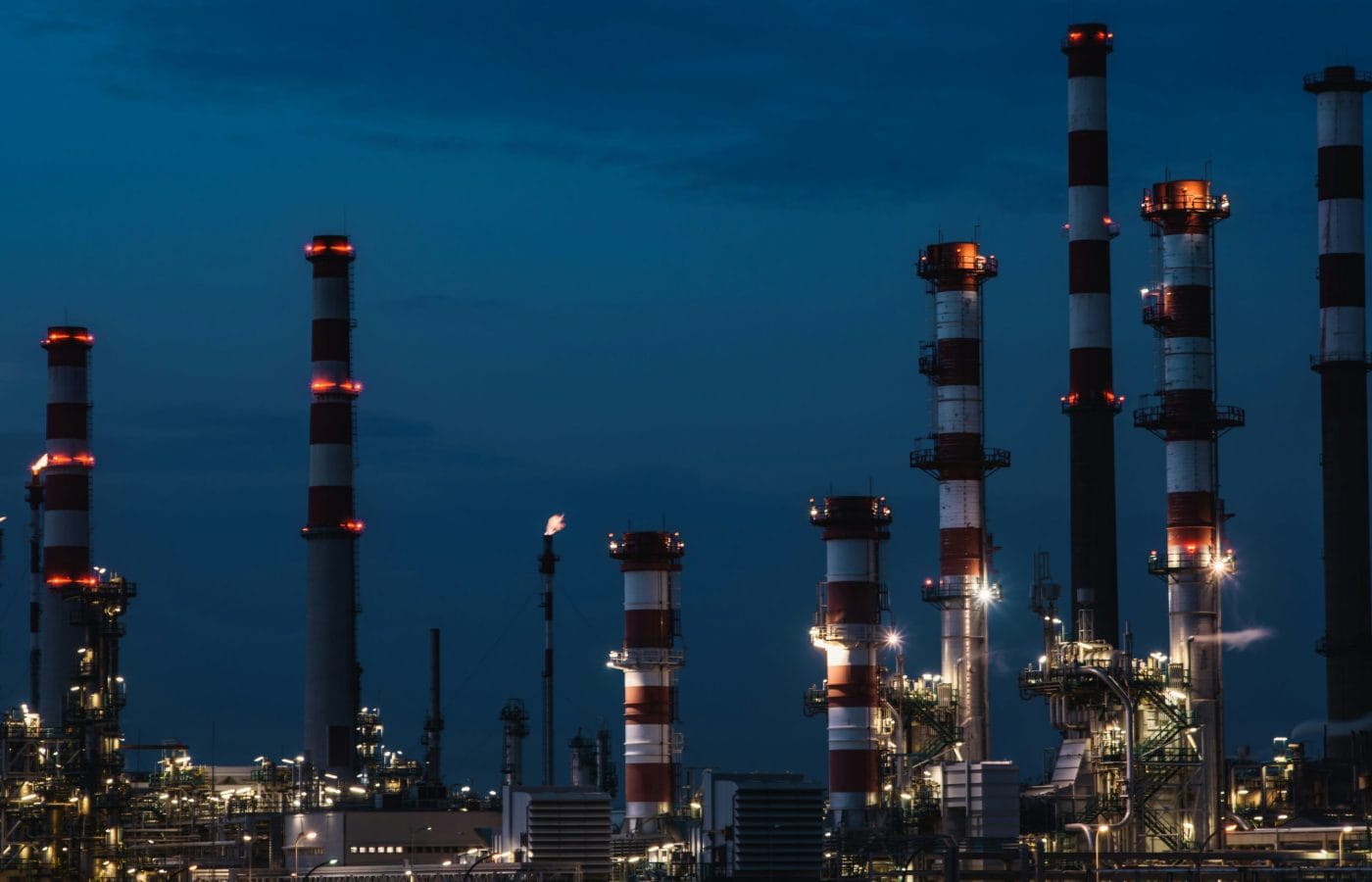
Oil Prices Fall as Iran Peace Talks Ease Supply Fears

Global oil prices moved lower on Tuesday as renewed diplomatic efforts to ease the conflict involving Iran raised hopes of reduced supply disruptions. However, continuing security threats around the Middle East are keeping energy markets on edge, with potential consequences for fuel-importing economies, businesses and consumers.
According to market figures reported by Investing.com, Brent crude futures fell 1.5% to $114.11 per barrel, while US West Texas Intermediate (WTI) crude declined 1.4% to $100.32 per barrel as of 10:38 a.m. Eastern Time on Tuesday.
The decline followed a period of sharp price increases that pushed Brent to six-month highs the previous week. Concerns about attacks on energy infrastructure and the safety of commercial shipping routes had fuelled fears that global oil supplies could face further disruption.
The latest price movement suggests that diplomatic progress can ease some immediate market concerns. However, it does not necessarily signal a lasting recovery in energy supply conditions.
Diplomatic Efforts Offer Relief to Oil Markets
Efforts to reduce tensions between Iran and its regional neighbours have become an important factor influencing oil prices.
Senior officials from Saudi Arabia, Turkey and Pakistan met Iranian leaders in Tehran on Monday to discuss ways to reduce regional tensions and establish channels for further negotiations. Qatar has also been involved in diplomatic engagement aimed at preventing the conflict from spreading.
The discussions have included regional security, attacks attributed to Iran-backed Houthi militants in Yemen, the possibility of negotiations between Washington and Tehran, and disruptions affecting shipping through the Strait of Hormuz.
The United States’ blockade of Iranian ports has also emerged as a significant issue in the wider dispute.
For oil traders, the central question is whether diplomatic engagement can reduce the likelihood of further attacks on energy infrastructure and commercial vessels.
When the risk of supply interruptions declines, traders may become less willing to pay elevated prices associated with potential shortages. This can put downward pressure on crude oil futures, even when the underlying political situation remains unresolved.
Nevertheless, the latest diplomatic contacts have not established that a lasting agreement is within reach. Markets therefore remain vulnerable to changes in military activity, negotiations and shipping conditions.
Why the Strait of Hormuz Remains Critical
The Strait of Hormuz is one of the world’s most important energy shipping corridors. Disruptions to vessels travelling through the waterway can affect the movement of crude oil and other energy products from major Gulf producers to international markets.
The importance of the route extends beyond the countries directly involved in the conflict.
A sustained interruption could force shipping companies to reconsider routes, increase logistical costs and complicate the delivery of energy supplies. These pressures can feed into international oil prices, even for countries located far from the conflict zone.
For traders, the possibility of disrupted shipments creates uncertainty about how much oil will be available and how quickly it can reach buyers.
That uncertainty helps explain why crude prices can remain elevated despite occasional declines following diplomatic developments.
Security Concerns Continue to Offset Peace Hopes
The diplomatic progress has been accompanied by fresh security concerns.
Houthi forces said on Monday that they had attacked pumping stations on Saudi Arabia’s East-West crude pipeline and Riyadh airport. Saudi Arabia had not immediately confirmed those specific claims in the supplied report, although the kingdom has reported intercepting missiles and drones in recent days.
The distinction matters because claims made during an armed conflict require independent verification before they can be treated as established facts.
Saudi Arabia is a major player in global oil production and exports. Any confirmed damage to important energy infrastructure could raise concerns about production, transportation and the reliability of regional supply routes.
Consequently, traders are weighing two competing developments: diplomatic initiatives that could reduce supply risks and security threats that could intensify them.
Oil Supply Disruptions Could Have Wider Economic Consequences
The implications of the conflict extend beyond crude oil producers and energy traders.
Higher oil prices can increase the cost of producing and transporting goods, operating machinery and delivering services. Businesses facing rising fuel and logistics expenses may eventually pass some of those costs on to customers.
For households, the effects can extend to transport fares, food distribution and the prices of other goods whose production depends on energy.
The size and timing of these effects vary by country. Retail fuel prices do not always move in line with daily crude oil futures because they are also influenced by refined-product prices, exchange rates, taxes, freight charges, purchasing arrangements and domestic pricing policies.
What the Developments Mean for Kenya
Kenya is particularly exposed to international petroleum market movements because it imports petroleum products. Global price increases can place pressure on the country’s fuel import bill and contribute to higher domestic energy and transportation costs.
A decline in international crude prices could eventually offer some relief, but the effect is neither automatic nor immediate.
The cost of imported refined fuels, shipping and insurance, currency movements and the timing of supply contracts can all influence the final cost of petroleum products in Kenya.
Kenyan consumers and businesses should therefore distinguish between a short-term fall in international oil futures and a confirmed reduction in local pump prices.
The broader question is whether prices will remain lower long enough for improved international market conditions to work through the supply chain.
Energy Markets Face a Longer Period of Uncertainty
Concerns about the conflict’s lasting effects are also influencing expectations for the global energy industry.
International Energy Agency Executive Director Fatih Birol said on Monday that energy markets were unlikely to return to their pre-war conditions in 2027, according to the supplied report.
The assessment highlights the possibility that the consequences could persist beyond any immediate reduction in hostilities.
Even if diplomatic efforts succeed, energy markets may still need to adjust to changes in shipping patterns, supply arrangements, infrastructure security and the cost of moving petroleum products.
Separately, Saudi Aramco plans to begin storing crude oil in Singapore in the second half of 2027. The initiative, announced by Saudi and Singaporean energy ministers, is intended to strengthen the resilience of the company’s regional supply chain.
Strategic storage and alternative supply arrangements can help companies manage disruptions, although they cannot eliminate the effects of a prolonged interruption to major shipping routes.
What to Watch Next
Several developments are likely to influence oil market direction in the coming days and weeks:
- Progress in negotiations: Further agreements involving Iran, the United States and regional governments could reduce concerns about military escalation.
- Security around shipping routes: Any confirmed attacks on commercial vessels or major energy infrastructure could renew fears of supply shortages.
- Conditions in the Strait of Hormuz: The reliability and cost of transporting energy through the region will remain central to market expectations.
- Oil supply and storage plans: Decisions by major producers and energy companies could influence how markets respond to further disruptions.
- Domestic fuel costs: Import-dependent economies such as Kenya will need to assess how international price changes affect actual procurement and retail fuel costs.
These factors will help determine whether the latest decline develops into a sustained correction or proves to be a temporary pause in a volatile market.
Key Takeaways
- Brent crude fell 1.5% to $114.11 per barrel, while WTI declined 1.4% to $100.32 in the market snapshot reported by Investing.com.
- Diplomatic engagement involving Iran, Saudi Arabia, Turkey and Pakistan has eased some immediate concerns about further escalation.
- Security threats and uncertainty around the Strait of Hormuz continue to expose global oil supplies to disruption.
- Kenya could benefit from sustained reductions in international energy costs, but local fuel prices depend on several additional factors.
- Long-term energy supply resilience remains a concern, with Saudi Aramco planning a crude storage initiative in Singapore for 2027.
Frequently Asked Questions
Why did oil prices fall on Tuesday?
Oil prices declined as traders assessed renewed diplomatic efforts to reduce tensions involving Iran. The possibility of reduced military escalation helped ease some concerns about interruptions to global energy supplies.
Why are oil prices still high despite the diplomatic talks?
The negotiations have not guaranteed a lasting settlement. Security threats, uncertainty surrounding the Strait of Hormuz and the possibility of further attacks on energy infrastructure continue to support market prices.
Will falling global oil prices immediately reduce fuel prices in Kenya?
Not necessarily. Domestic prices are also affected by refined petroleum costs, exchange rates, shipping, taxes, supply arrangements and the timing of imports. A sustained international decline may take time to affect local pump prices.
Could the conflict affect the global economy?
Yes. Prolonged energy supply disruptions can increase transport and production costs, contribute to inflationary pressure and complicate economic planning for businesses and governments.
Sources and Disclaimer
Source: Investing.com. This article has been independently written and developed for SkyPress using the source report as background material.
Disclaimer: This article is for news and educational purposes only and does not constitute financial, investment or trading advice.
SkyPress Desk | SkyPress News
SkyPress — Practical Finance. Smarter Money. Better Decisions.