
Saudi Arabia Lifts Alerts After Houthi Missile Interception

Saudi Arabia Lifts Emergency Alerts After Houthi Missile Interception Near Key Oil Region
Saudi Arabia has lifted emergency warnings across several locations in its oil-rich Eastern Province after a security alert on Sunday, November 8, 2026. The development came shortly before a Saudi-led military coalition announced that it had intercepted a ballistic missile launched by Yemen’s Iran-aligned Houthi movement towards the strategically important region, renewing concerns about the security of Middle Eastern energy infrastructure.
Key Takeaways
- Saudi Civil Defence lifted emergency alerts in Dhahran, Dammam, Abqaiq and Al-Ahsa on Sunday.
- A Saudi-led coalition subsequently reported intercepting a ballistic missile fired towards the Eastern Province by Yemen’s Houthi movement.
- The affected region contains most of Saudi Arabia’s oil and gas reserves and hosts important energy infrastructure.
- Saudi Aramco’s headquarters in Dhahran sustained extensive damage in an October 13 attack, although operations at the complex continued normally according to sources cited by Reuters.
- No damage or interruption to Saudi Aramco’s operations was reported in connection with Sunday’s latest incident.
- Repeated threats against energy facilities could increase geopolitical risk premiums in international oil markets.
Saudi Authorities Lift Warnings Across Eastern Province
Saudi Arabia’s Civil Defence authority announced that the immediate danger had passed in several locations across the kingdom’s Eastern Province, including Dhahran, Dammam, Abqaiq and Al-Ahsa.
The announcement followed earlier warnings advising residents of potential danger. However, authorities did not publicly provide detailed information about the initial threat or identify a specific target associated with the emergency alerts.
Shortly after the warnings were lifted, the Saudi-led coalition involved in the conflict in Yemen announced that its air defence systems had intercepted a ballistic missile launched towards the Eastern region by the Houthi movement.
Although the timing of the two announcements has attracted attention, authorities have not explicitly confirmed that the intercepted missile was responsible for the earlier civil defence warnings.
The absence of reported damage or casualties connected to Sunday’s incident offers some immediate reassurance. Nevertheless, the latest interception highlights the continuing security challenges facing Saudi Arabia as the wider Middle East conflict intensifies.
Why the Eastern Province Matters to Global Oil Markets
The significance of Sunday’s incident extends beyond the security of the affected communities. Saudi Arabia’s Eastern Province is central to the kingdom’s position in the international energy industry.
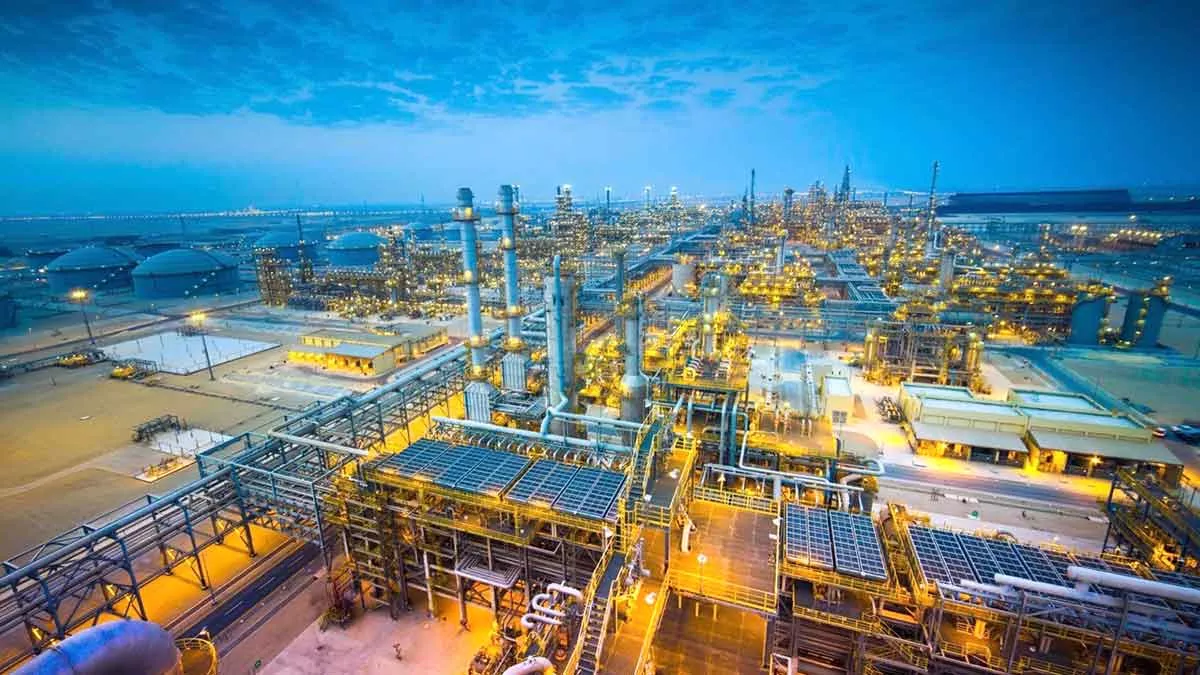
The region contains most of Saudi Arabia’s oil and gas reserves and hosts major production, processing and energy-management infrastructure.
Dhahran is particularly important because it houses the headquarters of Saudi Aramco, the state-owned energy company responsible for managing an extensive network of oil and gas operations.
Another strategically significant location is Abqaiq, which hosts one of the world’s most important crude oil processing facilities. Its processing infrastructure plays a major role in preparing Saudi crude for transportation and export.
This concentration of energy assets makes security developments in the Eastern Province particularly important to oil traders, refiners and governments that depend on reliable supplies from the Middle East.
According to the US Energy Information Administration, Saudi Arabia held approximately 17% of the world’s proved oil reserves in 2023, based on OPEC data. This illustrates the country’s considerable importance to the global petroleum industry.
Consequently, threats involving infrastructure in this region can attract international market attention even when no physical damage or production interruption is confirmed.
October Attack on Saudi Aramco Headquarters Raises Security Concerns
Sunday’s alerts come against the background of an earlier attack on Saudi Aramco’s headquarters in Dhahran on October 13.
The incident caused significant damage to an office building within the company’s headquarters complex, with a fire spreading across several floors.
Reuters reported on October 14, citing people familiar with the incident, that the upper three floors of the affected office tower had suffered extensive damage.
Saudi Arabia’s Energy Ministry described the fire as limited, while sources familiar with the company’s operations indicated that normal activities continued despite the damage.
Some employees were instructed to work remotely, and certain functions were temporarily transferred to international offices.
The distinction between damage to an administrative building and disruption to physical oil production is important. An attack on an oil company’s headquarters does not automatically mean that crude production, refining or exports have been interrupted.
However, the incident demonstrated that facilities associated with the management and coordination of critical energy operations could also face security threats.
With another missile interception now reported in the same broader region, investors have additional reasons to monitor developments involving Saudi Arabia’s energy infrastructure.
Houthis Expand Pressure on Saudi Infrastructure
The latest missile interception forms part of a wider pattern of military escalation involving Saudi Arabia and Yemen’s Iran-aligned Houthi movement.
The group has repeatedly used ballistic missiles and unmanned aerial vehicles in attacks targeting Saudi infrastructure, including airports, ports and energy-related facilities.
On October 26, the Houthis claimed to have attacked Saudi Arabia’s East-West crude oil pumping stations and Riyadh airport. Reuters reported that the claims had not received immediate independent confirmation from Saudi authorities.
Earlier, on October 30, the group also claimed attacks involving important Saudi infrastructure, including facilities in Abqaiq and Ras Tanura. Al Jazeera reported that these claims had not been independently corroborated.
The repeated threats have increased the importance of air defence systems and infrastructure protection across the kingdom.
Arab News reported on November 8 that the Saudi-led coalition had recorded at least 15 ballistic and cruise missiles and unmanned aerial vehicles intercepted or destroyed across Saudi Arabia during November.
The number illustrates the intensity of the security situation, although intercepted projectiles should not be confused with successful strikes or confirmed damage to energy facilities.
What the Escalation Could Mean for International Oil Prices
The latest developments could have implications for global crude oil markets because Saudi Arabia remains one of the most important suppliers in the international energy system.
Oil prices are influenced by several factors, including global demand, production decisions, inventories, transportation costs and geopolitical developments.
When military threats emerge near major producing or processing facilities, traders may reassess the possibility of supply disruptions. This can increase the geopolitical risk premium incorporated into crude oil prices.
However, a missile interception does not automatically translate into a reduction in oil supply.
The key question for energy markets is whether attacks begin affecting the physical movement of crude oil, the operation of processing facilities, pipeline transportation or export infrastructure.
For now, Sunday’s incident has not been accompanied by a confirmed announcement of reduced Saudi oil production or disrupted exports.
That distinction is important when assessing the potential market impact. Traders may respond to heightened security concerns, but a sustained increase in oil prices would generally require a clearer indication that supply availability could be affected or that the broader regional conflict is deteriorating.
The most important issue for oil markets is not simply the number of missiles intercepted, but the extent to which the attacks threaten Saudi Arabia’s ability to maintain uninterrupted production and exports.
Saudi Arabia’s extensive energy infrastructure gives it a central role in global crude supply. Repeated threats against the Eastern Province could therefore increase market sensitivity to developments in the kingdom, particularly if future incidents affect production or transportation facilities.
For energy traders, the immediate indicators to watch include official Saudi production updates, the operating status of major processing facilities, export flows and any changes in regional shipping security.
Wider Middle East Conflict Adds to Energy Market Uncertainty
The security situation is also connected to the broader confrontation involving Iran, the United States and Israel.
The wider conflict began on February 28, 2026, with US and Israeli military strikes against Iran, according to reports on the escalating regional confrontation.
Saudi Arabia, a close US ally, has faced growing security pressure as the conflict has extended beyond the immediate participants.
The Houthi movement’s involvement adds another dimension because of Yemen’s strategic position near important international maritime routes.
The Bab el-Mandeb Strait, which connects the Red Sea with the Gulf of Aden, is particularly important to international shipping. Security threats in the surrounding region can increase concerns about vessel movements, insurance costs and the reliability of energy transportation routes.
Any escalation that threatens both energy infrastructure and shipping corridors could have consequences extending beyond Saudi Arabia, affecting crude oil transportation costs and the wider international energy market.
For countries that import petroleum products, prolonged instability could also increase exposure to higher fuel costs and imported inflation.
What Investors and Energy Traders Should Watch Next
Following Sunday’s developments, attention will remain on several indicators that could help establish whether the security situation is translating into a material energy supply risk.
1. Saudi Aramco’s Operational Position
Updates concerning Saudi Aramco’s production, processing and export operations will be important. Any confirmed disruption at major facilities could have a more direct impact on oil market expectations than security alerts alone.
2. Further Missile and Drone Interceptions
Additional attacks targeting the Eastern Province could increase concerns about the ability of regional defence systems to protect critical infrastructure.
3. International Crude Oil Prices
Traders should monitor Brent crude and West Texas Intermediate (WTI) for changes in market sentiment. Price movements should be assessed alongside confirmed supply developments rather than attributed automatically to individual military incidents.
4. Regional Shipping Conditions
Developments around the Red Sea, the Bab el-Mandeb Strait and other important maritime routes could influence shipping costs and the movement of petroleum supplies.
5. Diplomatic and Military Developments
Any progress towards de-escalation could reduce immediate concerns, while further military exchanges could keep geopolitical risks elevated.
Conclusion: Saudi Oil Infrastructure Remains in Focus
Saudi Arabia’s decision to lift emergency warnings across Dhahran, Dammam, Abqaiq and Al-Ahsa brought an end to the immediate civil defence alert on Sunday. However, the subsequent announcement of a ballistic missile interception highlights the continuing security challenges facing the kingdom.
The Eastern Province’s concentration of oil and gas reserves, processing facilities and important Saudi Aramco operations makes it particularly sensitive to military developments.
Although no new damage to energy infrastructure or interruption to oil operations has been reported in connection with Sunday’s incident, the repeated threats could keep geopolitical risk firmly on the radar of international energy traders.
For global oil markets, the next important development will be whether the escalation remains limited to intercepted threats or begins affecting the physical production, processing and transportation of crude oil.
Until clearer evidence of supply disruption emerges, the situation should be viewed primarily as an elevated energy security risk rather than confirmation of lost Saudi oil output.
Frequently Asked Questions
Why did Saudi Arabia issue emergency alerts in its Eastern Province?
Saudi Civil Defence issued warnings of potential danger across several locations, including Dhahran, Dammam, Abqaiq and Al-Ahsa. The authorities subsequently announced that the danger had passed. The exact cause of the initial warnings was not explicitly confirmed.
Did Saudi Arabia intercept a Houthi missile?
Yes. The Saudi-led coalition reported intercepting a ballistic missile launched by Yemen’s Houthi movement towards the Eastern Province on November 8, 2026.
Was Saudi Aramco affected by Sunday’s missile incident?
No damage or interruption to Saudi Aramco’s operations was reported in the information released about Sunday’s incident. The company’s headquarters in Dhahran had, however, sustained extensive damage in a separate October attack.
Why is Abqaiq important to the global oil industry?
Abqaiq hosts a major Saudi crude oil processing facility. Its importance to the preparation and processing of Saudi crude makes security threats in the area particularly significant to international energy markets.
Could the latest missile interception increase global oil prices?
It could contribute to geopolitical risk premiums if traders become concerned about future supply disruptions. However, an interception alone does not establish that oil production or exports have been affected.
Which oil prices should traders monitor?
Brent crude and West Texas Intermediate (WTI) are two important international oil benchmarks. Traders should also monitor Saudi production updates, export activity and developments affecting regional shipping routes.
Related SkyPress Coverage
- Commodities: Global Oil and Energy Market Developments
- Business News: International Economic and Geopolitical Developments
- Forex Markets: Global Currency Movements and Market Analysis
- Personal Finance: Understanding Inflation, Fuel Costs and Household Budgets
Sources and Editorial Transparency
This SkyPress report was independently written using information from multiple news organisations and institutional research. The article combines reported developments, historical context and original SkyPress analysis. Information relating to military claims is attributed to the relevant reporting organisations and is not presented as independently verified unless corroboration is available.
- Reuters – Saudi Civil Defence Gives All-Clear After Alerts in Eastern Province, November 8, 2026.
- Arab News – Saudi Defenses Intercept Houthi Ballistic Missile Targeting Eastern Province, November 8, 2026.
- US Energy Information Administration – Saudi Arabia Country Analysis.
- Reuters via Al-Monitor – Saudi Aramco Headquarters Suffered Extensive Damage in Houthi Attack, October 14, 2026.
- Reuters via Investing.com – Houthis Say They Attacked Saudi Oil Pumping Stations and Riyadh Airport, October 26, 2026.
- Al Jazeera – Houthi Forces Claim Six Attacks on Saudi Airports and Oil Facilities, October 30, 2026.
This article is published by SkyPress for news, educational and informational purposes only. It does not constitute financial, investment or trading advice. Energy markets are influenced by geopolitical developments, supply and demand conditions and other economic factors. Readers should conduct independent research before making financial or investment decisions.
SkyPress Desk | SkyPress News
SkyPress – Practical Finance. Smarter Money. Better Decisions.