
U.S.–Iran Relations Show Signs of Thaw as Diplomatic Breakthrough Nears

U.S.–Iran Tensions Ease as Diplomatic Breakthrough Appears Within Reach
SkyPress News | Global Markets & Geopolitics
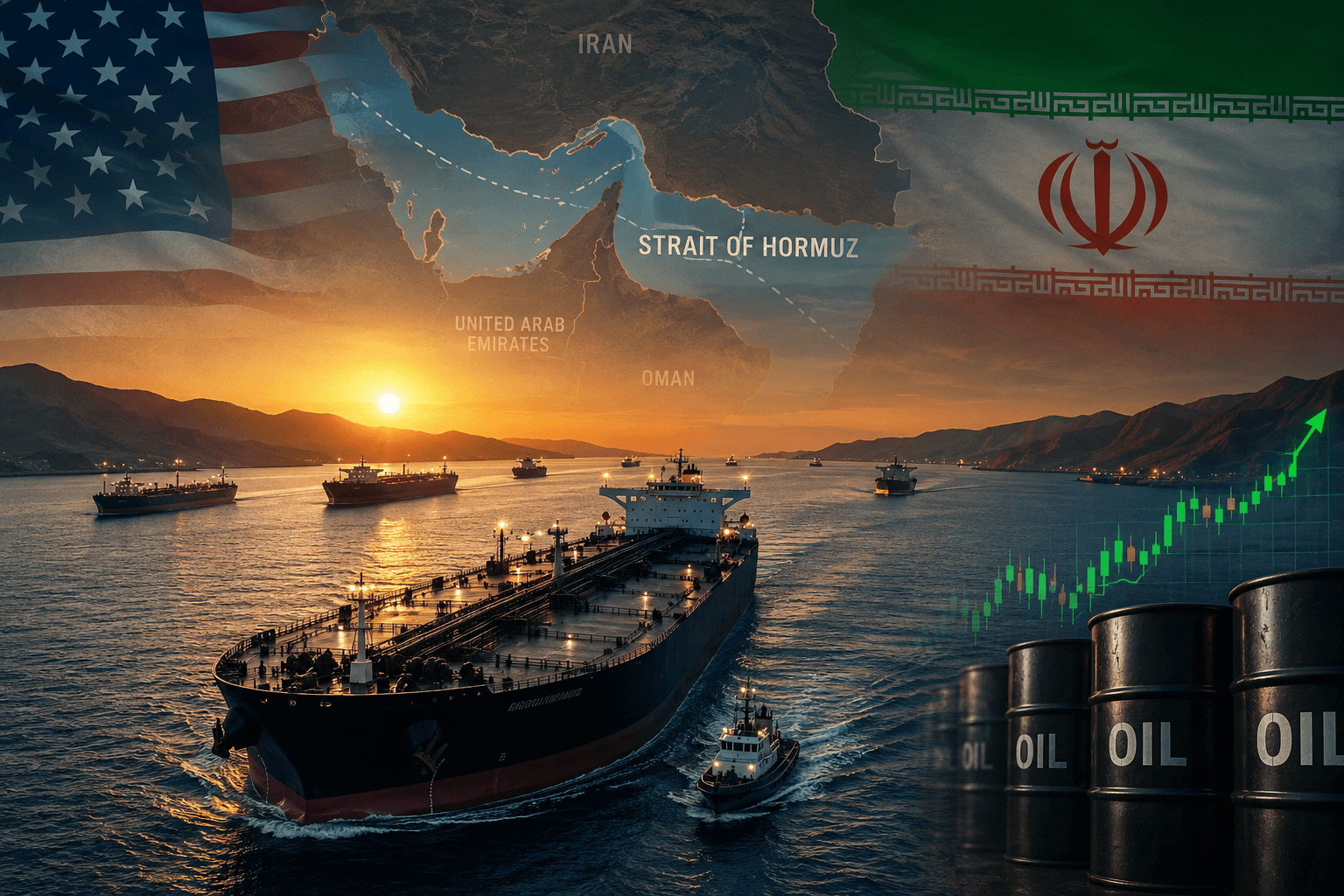
A potential turning point in the Middle East conflict is emerging as the United States signals that maritime access through the Strait of Hormuz could soon be restored—provided Iran aligns with key conditions outlined by Washington.
U.S. President Donald Trump indicated that military operations targeting Iran may be suspended if ongoing negotiations yield a mutually accepted agreement. While specific terms remain undisclosed, Trump emphasized that progress has been made and warned that failure to finalize a deal could trigger intensified military action.
Diplomatic Momentum Builds
Recent developments suggest both sides are approaching a preliminary framework aimed at de-escalating hostilities. Reports indicate that discussions are centered around a short-form agreement that would serve as a foundation for broader nuclear negotiations.
- Iran may temporarily halt nuclear enrichment activities
- The U.S. could ease economic sanctions
- Frozen Iranian financial assets may be partially released
- Restrictions affecting the Strait of Hormuz could be lifted
Officials expect a formal response from Tehran within a narrow timeframe, signaling that negotiations have entered a critical phase.
Iranian leadership has maintained that any agreement must safeguard national interests, reinforcing its position for a balanced and comprehensive deal.
Strategic Influence and Global Stakes
China’s involvement remains significant, given its role as a major importer of Iranian oil. Diplomatic engagement between Beijing and Tehran is reportedly focused on preventing further escalation, particularly ahead of anticipated high-level talks between Chinese and U.S. leadership.
Meanwhile, Pakistan has emerged as a key intermediary, facilitating communication channels between Washington and Tehran.

Energy Markets React
Global oil markets responded swiftly to signs of diplomatic progress. Brent crude prices declined sharply, though they remain elevated compared to pre-conflict levels. The earlier surge in oil prices had fueled concerns over rising inflation and potential disruptions to global economic growth.
Financial markets showed resilience, with equities rebounding as investor sentiment improved on hopes of de-escalation.
Military Operations Scaled Back
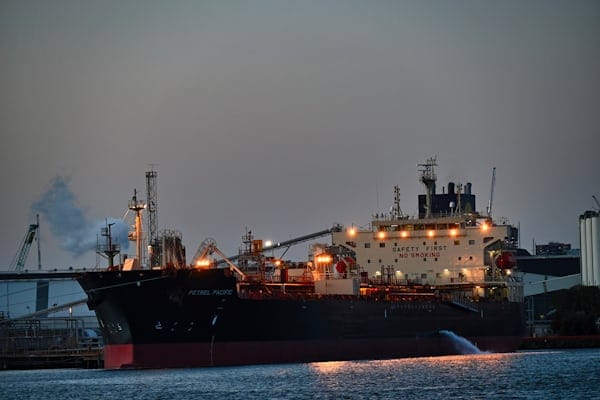
In a notable shift, the U.S. has temporarily paused its naval initiative aimed at securing commercial shipping routes through the Strait of Hormuz. The operation, which had involved military escorts for tankers, was halted following appeals from international stakeholders.
Despite this pause, enforcement measures remain active. U.S. forces recently intercepted an Iranian-linked vessel that allegedly violated maritime restrictions, demonstrating that strategic pressure is still in place.
Critical Waterway Remains Under Watch
The Strait of Hormuz continues to be a focal point of global concern. As a vital corridor for approximately 20% of the world’s oil supply, any disruption carries significant economic implications.
Although both sides have implemented restrictive measures, a successful agreement could restore stability to one of the world’s most important energy transit routes.
SkyPress Insight
The current trajectory suggests a fragile but meaningful shift toward diplomacy. While risks remain, a finalized agreement could not only end immediate hostilities but also reshape global energy dynamics and restore confidence across financial markets.