
Bank Account vs Digital Wallet: Which One Is Better For Managing Your Money?

Bank Account vs Digital Wallet: Which One Is Better For Managing Your Money?
Compare bank accounts and digital wallets to understand their differences, benefits, security, costs, and everyday uses. Learn which option best suits your financial needs and whether using both can help you manage your money more effectively.
Managing money has become easier with the growth of digital financial services. Today, people can choose between traditional bank accounts and digital wallets to store funds, make payments, and handle everyday transactions.
While bank accounts have been the traditional choice for managing money, digital wallets have become increasingly popular because of their speed, convenience, and easy access through smartphones.
However, choosing between the two depends on your financial needs, spending habits, security preferences, and long-term goals. Some people may benefit from using a bank account, while others may find digital wallets more suitable for everyday payments.
Understanding the strengths and limitations of each option can help you make better financial decisions. If you are also reviewing your banking choices, our guide on how to choose the right bank account for your financial needs can help you compare important factors before making a decision.
What Is a Bank Account?
A bank account is a financial service provided by a bank or financial institution that allows individuals and businesses to store, manage, and access their money securely. It is commonly used for receiving income, making payments, saving money, and handling everyday financial activities.
Common Features of a Bank Account
Bank accounts typically provide features such as deposits, withdrawals, transfers, debit cards, online banking, mobile banking, and transaction records. These services help customers organize their finances and keep track of their money.
Advantages of Using a Bank Account
Bank accounts offer several benefits, including stronger financial security, access to banking services, and opportunities to save or grow money through different financial products. They are also widely accepted for receiving salaries, paying bills, and making larger transactions.
Limitations of Bank Accounts
Despite their benefits, bank accounts may come with challenges such as account fees, minimum balance requirements, transaction charges, and approval processes. These factors should be considered when choosing a banking service.
Understanding bank account features is an important part of managing your money effectively. You can also learn how to reduce unnecessary banking costs in our guide on hidden bank fees you should never ignore.
What Is a Digital Wallet?
A digital wallet is an electronic payment service that allows users to store payment information, send money, receive funds, and make purchases using a smartphone or other digital device. Instead of carrying physical cash or cards, users can complete transactions electronically.
Common Features of Digital Wallets
Digital wallets often provide features such as instant payments, money transfers, bill payments, QR code transactions, and integration with mobile devices. Many digital wallets are designed to make everyday payments faster and more convenient.
Advantages of Using a Digital Wallet
One of the biggest advantages of digital wallets is convenience. Users can make payments quickly without carrying cash or physical cards. They can also be useful for people who need simple and accessible payment solutions through their mobile devices.
Limitations of Digital Wallets
Digital wallets may have limitations depending on the provider, including transaction limits, service availability, security risks, and dependence on mobile devices or internet access. Users should understand how their chosen wallet works before relying on it for financial activities.
Because digital wallets involve online transactions, security is an important consideration. Learn more about protecting your financial information in our guide on mobile banking security and digital scams.
Bank Account vs Digital Wallet: Key Differences
Although bank accounts and digital wallets can both help you manage money, they serve different purposes. Understanding their differences can help you decide which option is more suitable for your financial needs.
1. Purpose and Usage
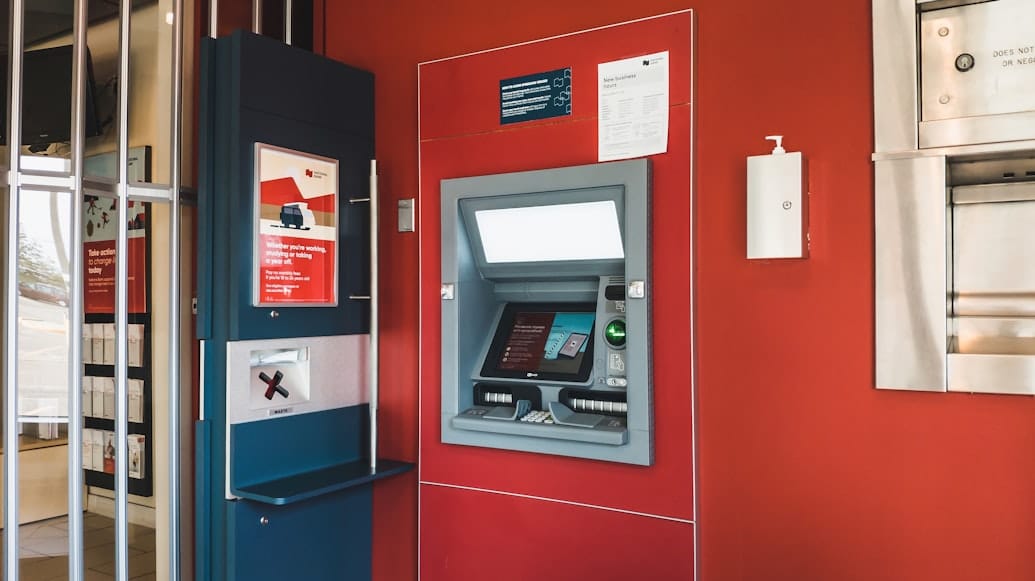
Bank accounts are designed for broader financial management, including receiving income, saving money, paying bills, and handling larger transactions. Digital wallets are usually focused on fast payments, transfers, and convenient everyday purchases.
2. Accessibility and Convenience
Digital wallets are often quicker for small daily transactions because they can be accessed directly through a smartphone. Bank accounts may provide wider financial services but can involve more formal processes and requirements.
3. Security and Protection
Both options require strong security practices. Banks usually provide established security systems and account protections, while digital wallets depend heavily on secure devices, authentication methods, and responsible user behaviour.
4. Fees and Costs
Costs vary depending on the provider. Bank accounts may include maintenance fees, transfer charges, or withdrawal costs, while digital wallets may have transaction fees or limits depending on the service.
5. Financial Growth Opportunities
Bank accounts generally provide more options for saving and building long-term financial plans. Digital wallets are mainly designed for convenience and payments rather than wealth-building activities.
For many people, the best solution may not be choosing only one option. A bank account can provide a financial foundation, while a digital wallet can make everyday payments faster and more convenient.
Pros and Cons of Bank Accounts and Digital Wallets
Both bank accounts and digital wallets offer useful financial benefits, but they also have limitations. Understanding the advantages and disadvantages of each option can help you decide how to use them effectively.
Advantages of Bank Accounts
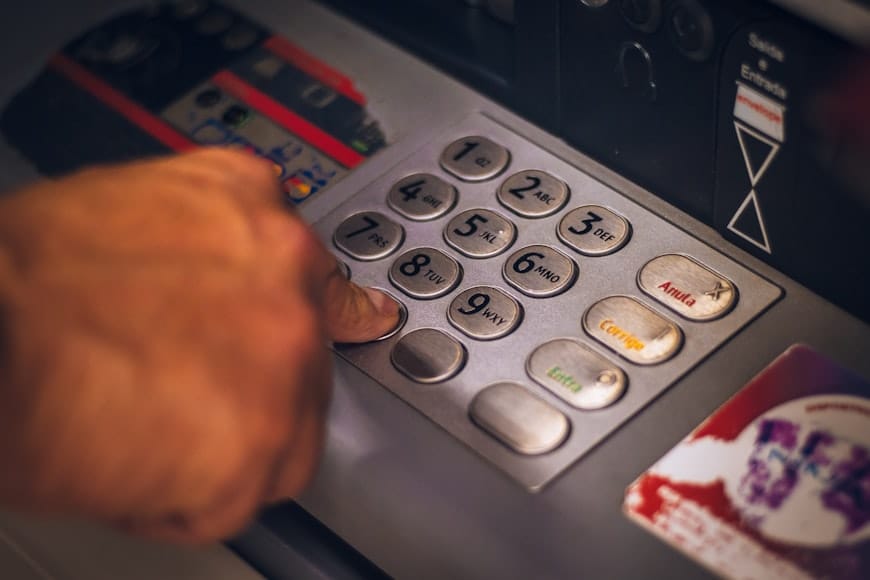
- Provides a secure place to store and manage money.
- Allows access to wider financial services such as savings and loans.
- Makes it easier to receive income and handle larger transactions.
- Can support long-term financial planning and wealth-building goals.
Disadvantages of Bank Accounts
- Some accounts may include maintenance fees or transaction charges.
- Opening an account may require identification and approval processes.
- Some services may be less convenient for quick everyday payments.
Advantages of Digital Wallets
- Provides fast and convenient payments through mobile devices.
- Can make sending and receiving money easier.
- Often offers simple access without complicated banking processes.
- Useful for everyday purchases and digital transactions.
Disadvantages of Digital Wallets
- May depend on internet access and smartphone availability.
- Security risks can increase if devices or accounts are not protected.
- Usually offers fewer options for long-term saving and investment.
The best choice depends on your personal financial situation. Some people may prefer the broader services of a bank account, while others may use digital wallets for convenience and faster transactions.
Which One Should You Choose: Bank Account or Digital Wallet?
The choice between a bank account and a digital wallet depends on your financial goals, lifestyle, and how you prefer to manage your money. There is no single option that is perfect for everyone.
Choose a Bank Account If You Need Long-Term Financial Management
A bank account may be the better choice if you need a secure place to store money, receive income, build savings, pay regular expenses, or access broader financial services. It is especially useful for people focused on building strong financial foundations.
Choose a Digital Wallet If You Prioritize Convenience
A digital wallet may be more suitable if you mainly need quick payments, easy money transfers, and convenient access through your smartphone. It can be a useful tool for everyday transactions.
Using Both Can Provide More Flexibility
For many people, the best approach is using both services together. A bank account can serve as the foundation for saving and managing finances, while a digital wallet can provide speed and convenience for daily payments.
Your financial tools should support your money habits and goals. Whether you choose a bank account, a digital wallet, or both, understanding how each option works will help you make smarter financial decisions.
Building good financial habits also requires proper budgeting and planning. Explore our complete beginner’s guide to budgeting to learn how to organize your income and expenses effectively.
Final Thoughts: Choosing The Right Tool To Manage Your Money
Bank accounts and digital wallets both play important roles in modern money management. While bank accounts provide a strong foundation for saving, storing money, and accessing financial services, digital wallets offer speed and convenience for everyday transactions.
The right choice depends on your financial goals, spending habits, security preferences, and personal circumstances. For many people, combining a bank account with a trusted digital wallet can provide both financial stability and payment convenience.
As financial technology continues to evolve, staying informed about different money management tools can help you make better decisions. Understanding fees, security features, and account benefits is essential for protecting and growing your money.
At SkyPress, we provide practical financial education to help readers make informed choices about banking, saving, investing, and managing money. Continue exploring our guides on choosing the right bank account and protecting your digital finances.
Disclaimer
The information provided in this article is for educational purposes only and should not be considered financial advice. Banking services, digital wallets, fees, features, and regulations vary between providers and may change over time. Always review official terms and conditions and consider your personal financial situation before making decisions about financial products or services.
Frequently Asked Questions About Bank Accounts and Digital Wallets
Is a bank account better than a digital wallet?
A bank account and a digital wallet serve different purposes. A bank account is generally better for saving, receiving income, and managing long-term finances, while a digital wallet is often better for quick payments and everyday transactions.
Can I use both a bank account and a digital wallet?
Yes. Many people use both because they provide different benefits. A bank account can help with saving and financial planning, while a digital wallet can make daily payments faster and more convenient.
Are digital wallets safe to use?
Digital wallets can be safe when users follow good security practices, such as protecting passwords, enabling security features, avoiding suspicious links, and using trusted applications.
Can a digital wallet replace a bank account?
For some everyday payment needs, a digital wallet may provide enough convenience. However, many people still need a bank account for services such as long-term savings, larger transactions, and broader financial products.
What should I consider before choosing between the two?
Consider your financial goals, transaction needs, security preferences, fees, accessibility, and the services you require. The best choice is the option that supports your personal money management habits.