
Forex Trading For Beginners: The Complete Guide To Understanding The Currency Market
Learn how the Forex market works, understand currency pairs, explore trading strategies, manage risk effectively, and build a strong foundation for your journey into currency trading.
Forex Trading: Your Journey Into The Currency Market
If you are new to currency trading, start with our complete Forex Trading Education Guide to build a strong foundation before exploring advanced trading concepts.
Forex trading, also known as foreign exchange trading, is the process of buying one currency while selling another with the aim of benefiting from changes in currency values.
The Forex market is the largest financial market in the world, where currencies are traded by banks, institutions, businesses, governments, and individual traders.
Understanding Forex requires learning how currency prices move, how global events affect markets, and how traders manage opportunities and risks.
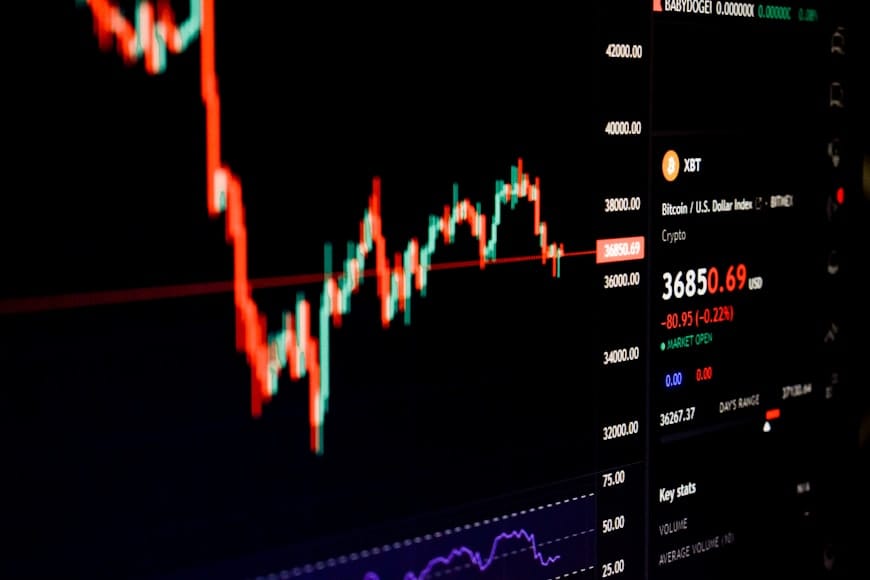
What Is Forex Trading?
Forex trading involves exchanging currencies through currency pairs. Every trade compares the value of one currency against another.
For example, in the EUR/USD currency pair, traders are comparing the value of the Euro against the US Dollar. If a trader believes the Euro will strengthen against the Dollar, they may buy the pair. If they expect it to weaken, they may sell.
The goal of Forex trading is to understand market movements and make informed decisions based on analysis and risk management.
How The Forex Market Works
The Forex market operates through a global network of financial institutions, brokers, and traders who exchange currencies around the world.
Currency Pairs
Currencies are traded in pairs because one currency is always exchanged against another. Examples include EUR/USD, GBP/USD, and USD/JPY.
Buying And Selling
When traders buy a currency pair, they expect the first currency to increase in value compared to the second currency. When they sell, they expect the value to decrease.
Market Movements
Currency prices change because of factors such as economic data, interest rates, political events, and global market conditions.
Why People Trade Forex
People participate in Forex trading for different reasons, including learning about financial markets, seeking opportunities, and developing trading skills.
Global Accessibility
The Forex market operates nearly 24 hours a day during weekdays, allowing participants from different regions to access the market.
Learning Financial Markets
Forex education helps people understand how economies, currencies, and global events interact.
Potential Opportunities
Currency movements create opportunities, but successful trading requires knowledge, preparation, and responsible risk management.
Understanding Currency Pairs
Forex trading is based on currency pairs because currencies are always valued against another currency.
Major Currency Pairs
Major pairs include the world’s most traded currencies, usually involving the US Dollar. Examples include EUR/USD, GBP/USD, USD/JPY, and USD/CHF.
Minor Currency Pairs
Minor pairs involve major currencies but do not include the US Dollar. They are also actively traded and provide additional market opportunities.
Exotic Currency Pairs
Exotic pairs combine a major currency with the currency of an emerging or smaller economy. They may experience larger price movements and wider spreads.
Understanding Pips In Forex
A pip is a standard unit used to measure small changes in the value of a currency pair.
For example, when a currency pair moves from one price level to another, the difference is measured in pips. Traders use pips to calculate potential gains, losses, and market movements.
Understanding pips helps traders manage trades, calculate risk, and develop better trading decisions.
What Are Lots In Forex Trading?
A lot refers to the size of a Forex trade. It determines how much currency is being bought or sold in a position.
Standard Lots
Standard lots represent larger trade sizes and are commonly used by experienced traders and institutions.
Mini And Micro Lots
Mini and micro lots allow beginners to trade smaller amounts while learning how the market works and managing their risk.
Choosing an appropriate lot size is an important part of responsible Forex risk management.
Understanding Spreads And Trading Costs
The spread is the difference between the buying price and selling price of a currency pair.
Spreads represent one of the costs traders consider when opening and managing trades. Different currency pairs and market conditions can affect spread sizes.
Factors That Influence Trading Costs
- Currency pair liquidity.
- Market volatility.
- Broker pricing structure.
- Trading conditions and account type.
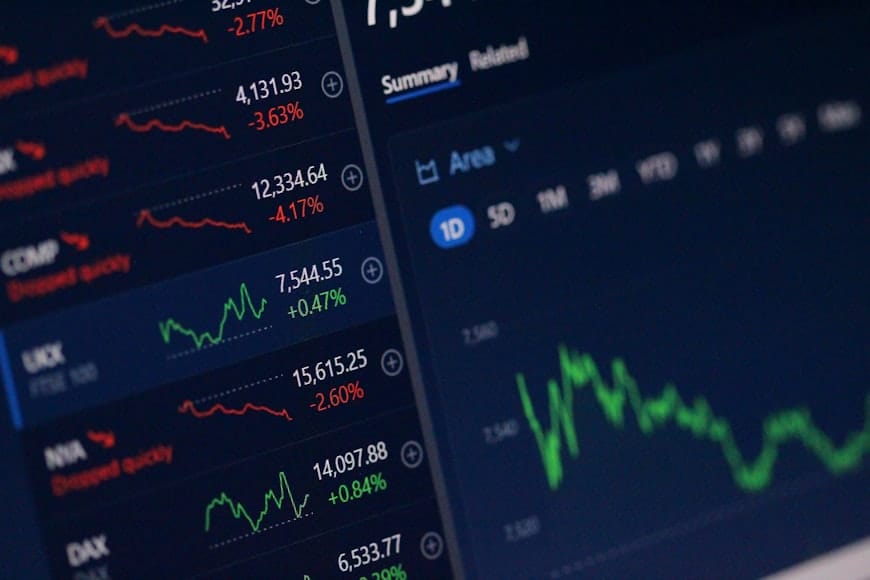
Forex Brokers And Trading Platforms
Forex brokers provide access to the currency market by connecting traders with trading platforms where they can analyze markets and place trades.
Choosing A Forex Broker
Beginners should consider important factors such as regulation, reputation, trading conditions, customer support, and educational resources.
Trading Platforms
Trading platforms provide tools for analyzing charts, managing trades, and monitoring market movements.
A good understanding of trading tools and platforms helps beginners develop confidence before entering live markets.
Understanding Forex Market Analysis
Successful Forex trading requires understanding the factors that influence currency movements. Traders use different forms of analysis to study the market and make informed decisions.
The two main approaches used by traders are fundamental analysis and technical analysis. Many experienced traders combine both methods to develop a broader market perspective.
Fundamental Analysis In Forex
Fundamental analysis focuses on economic, political, and global factors that can influence the value of currencies.
Economic Indicators
Important economic data such as employment reports, inflation rates, economic growth figures, and interest rate decisions can affect currency values.
Central Bank Decisions
Central banks influence currency markets through monetary policies, including interest rate adjustments and economic strategies.
Global Events
Political developments, international trade, and major global events can create changes in currency demand and market sentiment.
Technical Analysis In Forex
Technical analysis involves studying price charts and market patterns to identify possible trading opportunities.
Price Charts
Charts help traders observe historical price movements, trends, and important market levels.
Support And Resistance
Support and resistance levels help traders identify areas where price may slow down, reverse, or continue moving.
Market Trends
Understanding whether the market is moving upward, downward, or sideways helps traders develop appropriate strategies.
Forex Indicators And Trading Tools
Technical indicators are tools traders use to analyze market information and support their decision-making process.
Moving Averages
Moving averages help traders identify trends by showing average price movements over a specific period.
Relative Strength Index (RSI)
RSI is used by traders to study momentum and possible overbought or oversold market conditions.
Other Trading Tools
Different traders use various tools depending on their strategies, experience, and market approach.
Risk Management In Forex Trading
Risk management is one of the most important skills every Forex trader must develop. Protecting capital is essential for long-term success.
Use Proper Position Sizes
Choosing an appropriate trade size helps prevent large losses and keeps risk under control.
Set Risk Limits
Traders often use tools such as stop-loss orders to help manage potential losses before entering a trade.
Control Emotions
Patience, discipline, and emotional control help traders avoid impulsive decisions based on fear or excitement.
Common Forex Trading Mistakes Beginners Make
Many new traders enter the Forex market with unrealistic expectations and insufficient preparation. Understanding common mistakes can help beginners develop better trading habits.
Expecting Quick Profits
Forex trading is not a shortcut to instant wealth. Successful traders focus on learning, improving their skills, and building consistent strategies over time.
Trading Without Education
Entering the market without understanding currency movements, risk management, and trading principles can lead to unnecessary losses.
Ignoring Risk Management
Failing to manage risk can expose traders to large losses. Protecting trading capital should always be a priority.
Making Emotional Decisions
Fear, greed, and impatience can influence trading decisions. Developing discipline helps traders follow their plans instead of reacting emotionally.
Developing A Forex Trading Mindset
A strong trading mindset is essential for handling the challenges of financial markets. Successful traders understand that losses are part of the learning process.
Practice Patience
Good opportunities do not appear every moment. Patient traders wait for setups that match their trading approach.
Stay Disciplined
Following a trading plan and maintaining consistent habits are important for long-term improvement.
Keep Learning
Markets continue to change. Successful traders continue improving their knowledge, strategies, and understanding of market behaviour.
Creating A Forex Trading Plan
A trading plan provides structure and helps traders make decisions based on strategy rather than emotions.
Define Your Goals
Understand what you want to achieve from trading and create realistic expectations based on your experience and resources.
Choose A Trading Approach
Different traders use different approaches, including short-term trading, swing trading, and longer-term strategies.
Manage Your Risk
A good trading plan includes clear rules for position sizes, acceptable losses, and trade management.
Forex Trading As A Skill Development Journey
Becoming a knowledgeable Forex trader requires time, practice, and continuous learning. It is a skill that develops through experience and education.
Beginners can improve by studying market concepts, practicing with demo accounts, reviewing their decisions, and gradually building confidence.
The focus should be on developing strong habits and understanding the market rather than chasing immediate results.
Building Responsible Trading Habits
- Learn the fundamentals before risking real money.
- Practice strategies and improve skills gradually.
- Keep emotions under control when making decisions.
- Protect your capital through proper risk management.
- Treat trading as a learning journey rather than a quick money solution.
Key Takeaways: Forex Trading For Beginners
- Forex trading involves buying and selling currencies through currency pairs.
- Understanding market fundamentals, technical analysis, and price movements is essential before trading.
- Risk management is one of the most important skills for protecting trading capital.
- Successful Forex trading requires patience, discipline, education, and continuous improvement.
- Beginners should focus on learning the market rather than chasing quick profits.
- Developing a strong trading plan can help traders make more informed decisions.
Frequently Asked Questions About Forex Trading
What is Forex trading?
Forex trading is the process of exchanging one currency for another with the goal of benefiting from changes in currency prices.
Is Forex trading suitable for beginners?
Beginners can learn Forex trading, but it requires education, practice, discipline, and a clear understanding of the risks involved.
How much money do I need to start Forex trading?
The amount required depends on the broker, account type, and trading approach. Many beginners start by learning through demo accounts before using real money.
Is Forex trading risky?
Yes. Forex trading involves financial risk, and currency prices can move unexpectedly. Proper risk management is important for reducing potential losses.
How long does it take to learn Forex trading?
Learning Forex is a continuous process. The time required depends on dedication, practice, education, and the ability to develop consistent trading habits.
Continue Learning With SkyPress
Forex education is part of building strong financial knowledge. Continue expanding your understanding of money management and wealth creation with these SkyPress guides:
Financial Disclaimer
The information provided by SkyPress is intended for educational and informational purposes only. It should not be considered financial, investment, trading, legal, or tax advice.
Forex trading involves risk, and individuals should carefully consider their personal financial situation, goals, and risk tolerance before making any financial decisions.
About SkyPress Financial Education Team
The SkyPress Financial Education Team creates practical financial education resources designed to help readers understand investing, saving, banking, forex education, and wealth-building concepts.
Our mission is to simplify complex financial topics and provide knowledge that helps readers make more informed financial decisions.
Start Your Forex Education Journey Today
Forex trading success begins with knowledge, preparation, and responsible decision-making. Building your understanding of the market is the first step toward becoming a more confident trader.
Keep learning, practice patience, manage risk wisely, and continue developing your financial knowledge with SkyPress as your trusted education partner.
Explore SkyPress Financial Guides