
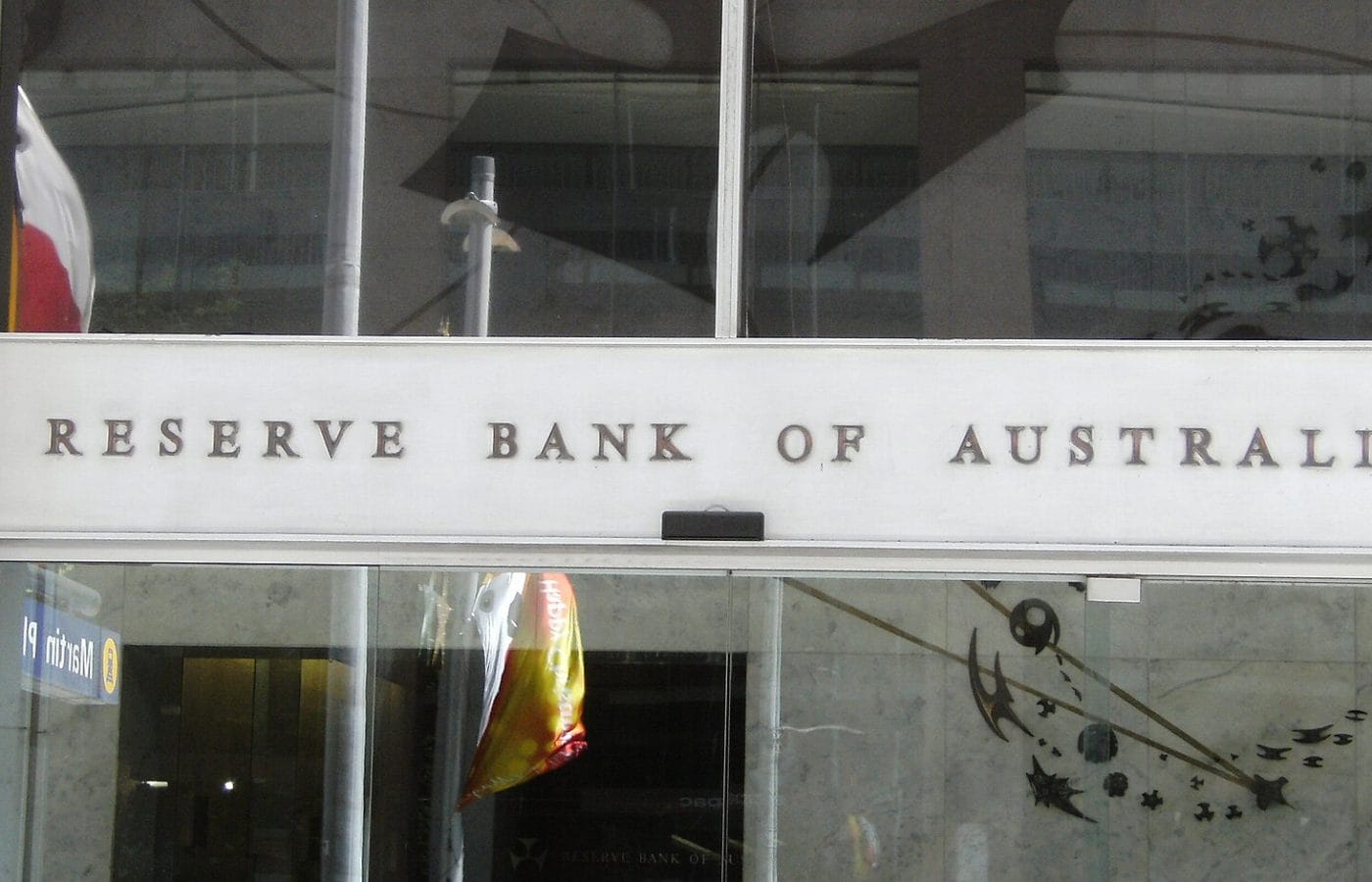
RBA Raises Cash Rate to 4.60% as Inflation Risks Intensify

September 29, 2026 | By SkyPress Desk | SkyPress News
The Reserve Bank of Australia (RBA) has raised its cash rate target by 25 basis points to 4.60%, taking Australian interest rates to their highest level since October 2011 as policymakers respond to persistent inflationary pressures.
The decision marks the fourth rate increase of 2026 and signals that the central bank remains concerned that inflation could stay elevated for longer than previously expected.
The latest move comes against a backdrop of higher global energy prices, strong demand linked to artificial intelligence investment and continued capacity pressures within the Australian economy. The RBA has indicated that it remains prepared to tighten monetary policy further if inflation risks continue to build.
RBA Lifts Cash Rate to 4.60%
The RBA increased its cash rate target from 4.35% to 4.60%, delivering a 25-basis-point increase.
The decision was unanimous, with the central bank’s rate-setting board agreeing that inflationary risks had become more persistent. The move follows three previous rate increases earlier in 2026.
The RBA’s policy tightening comes after inflation remained above the central bank’s preferred 2% to 3% target range. Policymakers have increasingly focused on preventing elevated price pressures from becoming entrenched across the economy.
The central bank has previously indicated that monetary policy needs to keep demand sufficiently restrained to reduce capacity pressures and bring inflation back toward target.
Energy Prices Add to Inflation Pressure
One of the major concerns facing Australian policymakers is the impact of higher global energy prices.
The prolonged conflict in the Middle East has disrupted energy markets and contributed to higher and more volatile oil and other commodity prices. The RBA has warned that higher fuel and energy costs can feed through to other areas of the economy as businesses pass higher operating costs on to consumers.
This creates an additional challenge for monetary policymakers because energy-related inflation can originate outside Australia’s domestic economy while still affecting Australian consumer prices.
In its August assessment, the RBA said higher energy prices were already contributing to inflation in several economies and noted that stronger demand for AI-related goods was also contributing to producer-price pressures globally.
AI Investment Adds Another Inflationary Pressure
The rapid expansion of artificial intelligence infrastructure is also becoming an increasingly important factor in the global economic outlook.
Demand for semiconductors, data centres, technology equipment and other AI-related products has remained strong. For economies integrated into global technology supply chains, this demand has supported economic activity but has also contributed to capacity constraints and higher producer prices.
The RBA has previously highlighted the strength of AI-related investment among Australia’s major trading partners. Strong demand for technology-related goods can place pressure on production capacity and supply chains, potentially contributing to higher prices.
For Australia, the issue is particularly relevant because global commodity prices, international demand and domestic economic conditions all influence the country’s inflation and growth outlook.
Domestic Capacity Remains a Concern
Alongside global developments, the RBA is also monitoring Australia’s domestic economy.
When demand grows faster than the economy’s ability to supply goods and services, businesses can face higher costs and stronger pricing pressure. The central bank has therefore indicated that domestic demand needs to moderate to ease capacity pressures.
Earlier RBA projections pointed to slower economic growth and a gradual increase in unemployment as previous interest-rate increases work their way through the economy. The central bank has also acknowledged that monetary policy operates with a lag, meaning the full effect of earlier rate increases may not yet have been felt.
What the Rate Decision Means for the Australian Dollar
Higher Australian interest rates can influence the Australian dollar because interest-rate differentials are an important factor in foreign-exchange markets.
The Australian dollar is particularly sensitive to expectations surrounding the RBA because traders continually reassess the relative attractiveness of Australian assets compared with those in other major economies.
A more restrictive RBA policy outlook can therefore become an important market driver for AUD/USD and other Australian dollar pairs, although currency prices also respond to commodity prices, global risk sentiment, U.S. monetary policy, Chinese economic conditions and broader geopolitical developments.
SkyPress recently examined this relationship in its analysis of AUD/USD and changing RBA rate expectations.
Why the RBA Decision Matters for Forex Markets
Central-bank interest-rate decisions are among the most closely watched events in the foreign-exchange market because they can change expectations for future borrowing costs and capital flows.
For traders and market observers, the rate decision itself is only one part of the picture. Attention will also turn to the RBA’s assessment of inflation, economic growth, employment, household demand and future monetary policy.
Any indication that additional rate increases could be required may influence Australian-dollar expectations, while signs that policymakers believe previous tightening is sufficient could produce a different market response.
Readers who want to understand the broader forces that influence currencies can explore the SkyPress guide to Forex Market Fundamentals, which explains how interest rates, inflation, employment data, geopolitical developments and other economic factors can influence currency prices.
RBA Keeps Further Tightening on the Table
The RBA has maintained that it will continue responding to developments in the inflation outlook and will take further action if necessary to return inflation sustainably to target.
This means the September increase should not necessarily be viewed in isolation. Future decisions will depend on incoming inflation, labour-market, consumption and economic-growth data.
The central bank faces a delicate balance. Keeping rates higher for longer could help reduce persistent inflationary pressure, but tighter financial conditions can also weigh on household spending, housing activity, business investment and employment.
The RBA has previously said that inflation was still too high and that demand would need to remain subdued for price pressures to ease. Its August projections indicated that inflation could take an extended period to return sustainably toward the middle of its target range.
Australian Dollar and Global Markets in Focus
The latest RBA decision puts the Australian dollar back at the centre of global foreign-exchange attention.
Markets will now assess whether the combination of elevated inflation, higher energy costs and domestic capacity pressures results in additional monetary tightening or whether previous rate increases eventually produce the slowdown policymakers are seeking.
At the same time, developments in U.S. interest rates, global commodity markets, Chinese demand and geopolitical conditions will remain important for the Australian dollar.
SkyPress will continue monitoring the Australian economy, RBA policy and major currency markets as new economic data and central-bank guidance emerge.
Key Takeaways
- The RBA raised its cash rate target by 25 basis points to 4.60%.
- The move takes Australian interest rates to their highest level since October 2011.
- The increase is the RBA’s fourth rate hike of 2026.
- Persistent inflation remains a major concern for policymakers.
- Higher global energy prices are adding to inflationary pressure.
- Strong AI-related demand is contributing to global capacity and producer-price pressures.
- The RBA remains focused on reducing domestic capacity pressures and returning inflation sustainably to its 2%–3% target range.
- The Australian dollar may remain sensitive to future RBA decisions and changing expectations for Australian interest rates.
- Future policy decisions will depend heavily on incoming economic and inflation data.
Related SkyPress Forex Resources
- Forex Week Ahead: Dollar, Euro, Pound, Yen and Aussie in Focus
- AUD/USD Outlook: Australian Dollar and RBA Rate Expectations
- Forex Market Fundamentals: How Economic Factors Drive Currency Prices
- Forex Trading Basics: Laying the Foundation
- SkyPress Forex Trading Full Course
Frequently Asked Questions
What is Australia’s cash rate?
The cash rate is the interest rate targeted by the Reserve Bank of Australia as part of its monetary-policy framework. Changes in the cash rate influence borrowing costs and broader financial conditions across the Australian economy.
Why did the RBA raise rates?
The latest increase reflects concerns about persistent inflation and upside risks linked to higher energy prices, domestic capacity pressures and strong global demand for AI-related goods and services.
What does a higher RBA rate mean for the Australian dollar?
Higher interest rates can support a currency by increasing the relative return associated with assets denominated in that currency. However, the Australian dollar is also influenced by commodity prices, global risk sentiment, U.S. interest rates, Chinese demand and other economic factors.
Will the RBA raise rates again?
The RBA has indicated that it will assess incoming economic information and remains prepared to increase the cash rate further if inflation risks require additional tightening. Future decisions are therefore dependent on economic and inflation data.
Why is the RBA concerned about energy prices?
Higher energy prices can directly increase household and business costs. They can also feed into the prices of other goods and services if businesses pass higher input and transportation costs through to consumers.
SkyPress Editorial Disclaimer
This article is provided for general informational and educational purposes only. It does not constitute financial, investment, trading, legal or tax advice. Currency and financial markets involve significant risk, and past market behaviour does not guarantee future results. Readers should conduct their own research and consider their individual circumstances before making financial decisions.
Sources
Reserve Bank of Australia — monetary policy statements and economic outlook materials.
SkyPress editorial research and market analysis.
SkyPress Desk | SkyPress News