
Commodities Trading Guide
Complete Commodities Trading Guide
Professional Insights for Beginners and Advanced Traders | SkyPress
Introduction to Commodities Trading

Commodities trading is one of the oldest forms of financial exchange, forming the backbone of global trade long before modern stock markets existed. Today, it remains a critical segment of financial markets, offering traders and investors unique opportunities to diversify portfolios, hedge against inflation, and capitalize on global economic trends.
Commodities refer to raw materials or primary agricultural products that can be bought and sold. These include energy resources like oil and natural gas, precious metals such as gold and silver, and agricultural products like wheat, coffee, and sugar. Unlike stocks or bonds, commodities are tangible assets, making them highly sensitive to supply-demand dynamics, geopolitical events, and macroeconomic conditions.
Types of Commodities

1. Energy Commodities
Energy commodities are among the most actively traded globally. Crude oil, natural gas, and gasoline dominate this category. Oil prices, for instance, are influenced by geopolitical tensions, OPEC decisions, and global demand cycles.
2. Precious Metals
Gold, silver, platinum, and palladium serve both industrial and investment purposes. Gold is widely considered a safe-haven asset, often rising during economic uncertainty or inflationary periods.
3. Agricultural Commodities
These include crops like wheat, corn, coffee, cocoa, and livestock. Agricultural commodities are heavily affected by weather conditions, seasonal cycles, and global food demand.
4. Industrial Metals
Metals such as copper, aluminum, and zinc are essential for manufacturing and infrastructure. Their demand often reflects the health of the global economy.
How Commodities Trading Works
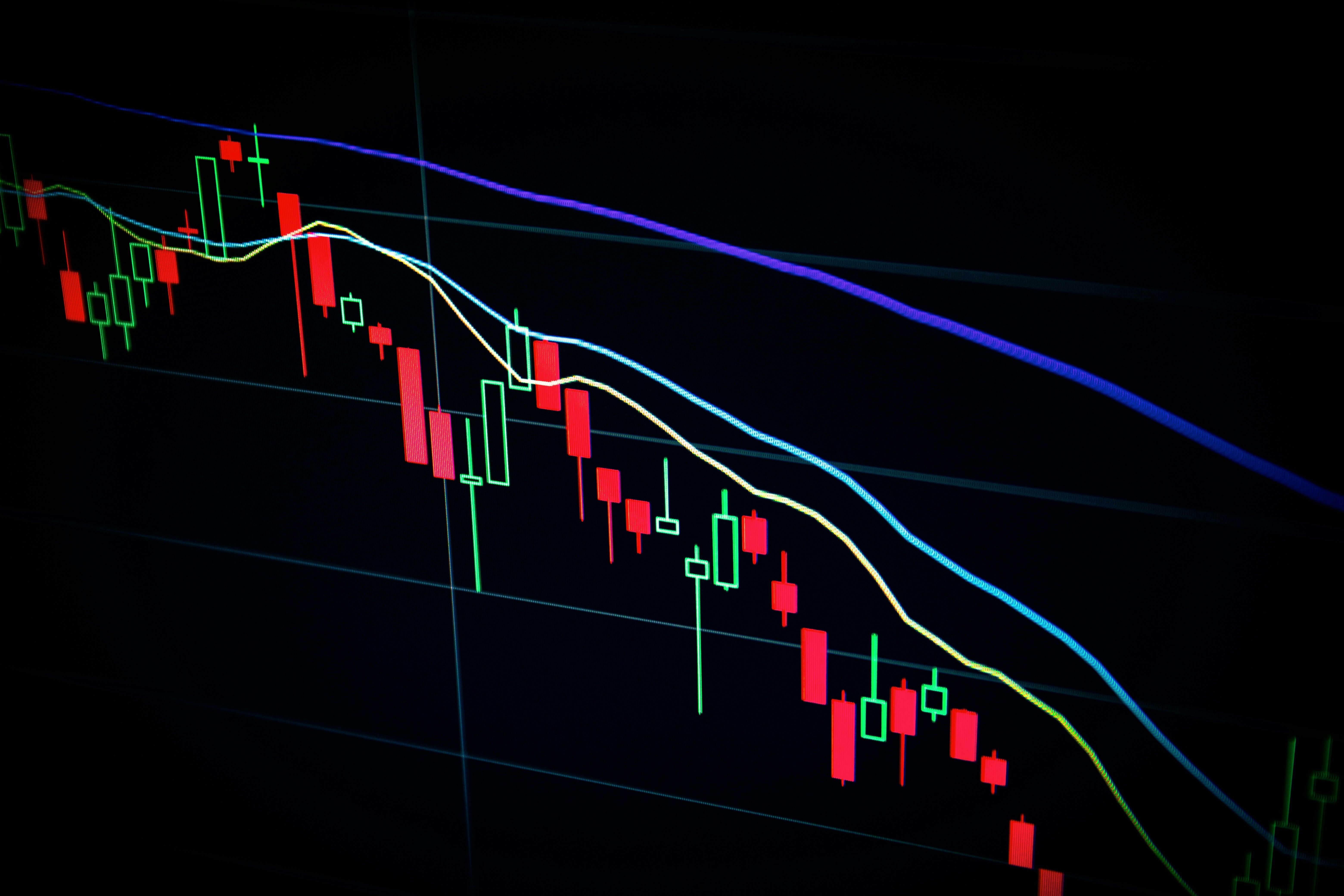
Commodities trading can take place in several forms:
- Spot Markets: Immediate delivery and payment.
- Futures Contracts: Agreements to buy or sell at a future date.
- Options Contracts: Rights, but not obligations, to trade.
- Exchange-Traded Funds (ETFs): Track commodity prices.
Most modern traders engage in futures or CFD (Contract for Difference) trading, where they speculate on price movements without owning the physical commodity.
Key Factors That Influence Commodity Prices

- Supply and Demand: Fundamental driver of prices.
- Geopolitical Events: Wars, sanctions, and political instability.
- Weather Conditions: Especially for agricultural commodities.
- Currency Strength: Commodities are priced in USD.
- Interest Rates: Affect investment flows into commodities.
Advantages of Trading Commodities

- Diversification beyond stocks and forex
- Hedge against inflation
- High liquidity in major commodities
- Opportunities in both rising and falling markets
Risks in Commodities Trading

While commodities trading offers lucrative opportunities, it also carries significant risks:
- High volatility
- Leverage risk
- Market unpredictability
- External shocks (natural disasters, political crises)
Trading Strategies for Commodities
1. Trend Following
Traders identify and follow established price trends using technical indicators such as moving averages and RSI.
2. Breakout Trading
This involves entering trades when prices break key support or resistance levels, often accompanied by increased volume.
3. Range Trading
Suitable for sideways markets where prices oscillate between support and resistance zones.
4. Fundamental Trading
Focuses on economic reports, inventory data, and geopolitical developments.
Risk Management Techniques

- Use stop-loss orders
- Limit leverage usage
- Diversify your portfolio
- Maintain proper position sizing
Best Commodities for Beginners

Beginners are often advised to start with highly liquid and widely analyzed commodities such as:
- Gold
- Crude Oil
- Silver
Building a Successful Commodities Trading Plan

A solid trading plan includes clear goals, defined risk tolerance, entry and exit strategies, and consistent evaluation. Discipline and emotional control are critical to long-term success.
Conclusion
Commodities trading is a powerful avenue for investors seeking diversification and exposure to global economic movements. Whether you are trading gold during uncertain times or oil during supply shocks, understanding market dynamics and applying disciplined strategies is key.
With proper education, risk management, and consistent practice, traders can unlock significant opportunities in this dynamic market.
Disclaimer
Trading commodities involves significant risk and may not be suitable for all investors. Prices can be highly volatile and influenced by unpredictable factors. Always conduct your own research and consult with a financial advisor before making investment decisions.