
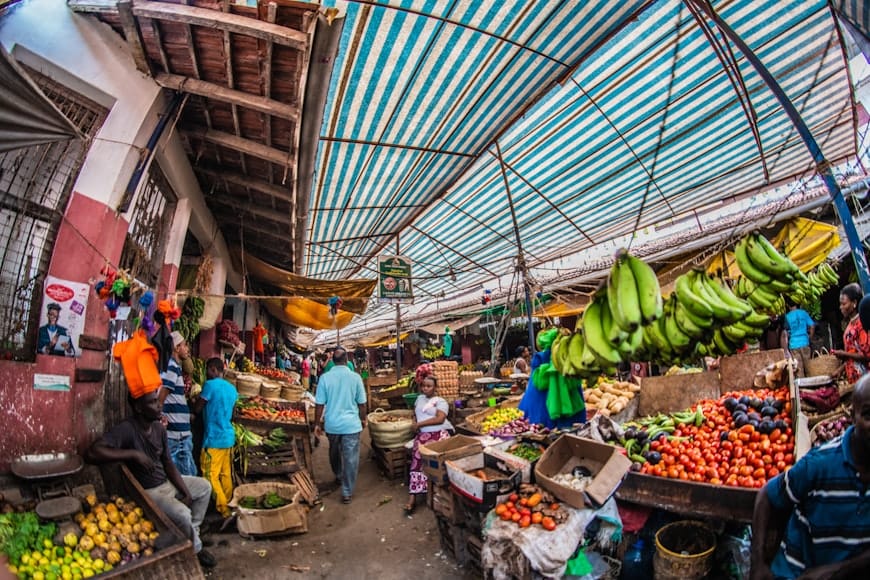
Kenya’s Cost of Living Pressure Intensifies as August Inflation Hits 6.6%

Kenya Inflation Rises to 6.6% in August as Food and Transport Costs Keep Pressure on Businesses and Households
Kenya’s annual inflation rate rose to 6.6% in August 2026 from 6.5% in July, with food, transport and housing-related costs remaining key sources of pressure on consumers and businesses.
The latest data from the Kenya National Bureau of Statistics (KNBS) shows that the increase in headline inflation was relatively modest, but the underlying price movements reveal continued cost pressures in important areas of the economy.
According to KNBS, annual consumer price inflation reached 6.6% in August 2026, meaning the general price level was 6.6% higher than in August 2025. Monthly inflation also accelerated to 0.4% in August from 0.2% in July.
The latest figures are important for Kenyan households, retailers, manufacturers, transport operators, investors and policymakers because inflation affects purchasing power, operating costs, interest-rate expectations and consumer demand.
Food and Transport Remain Major Inflation Drivers
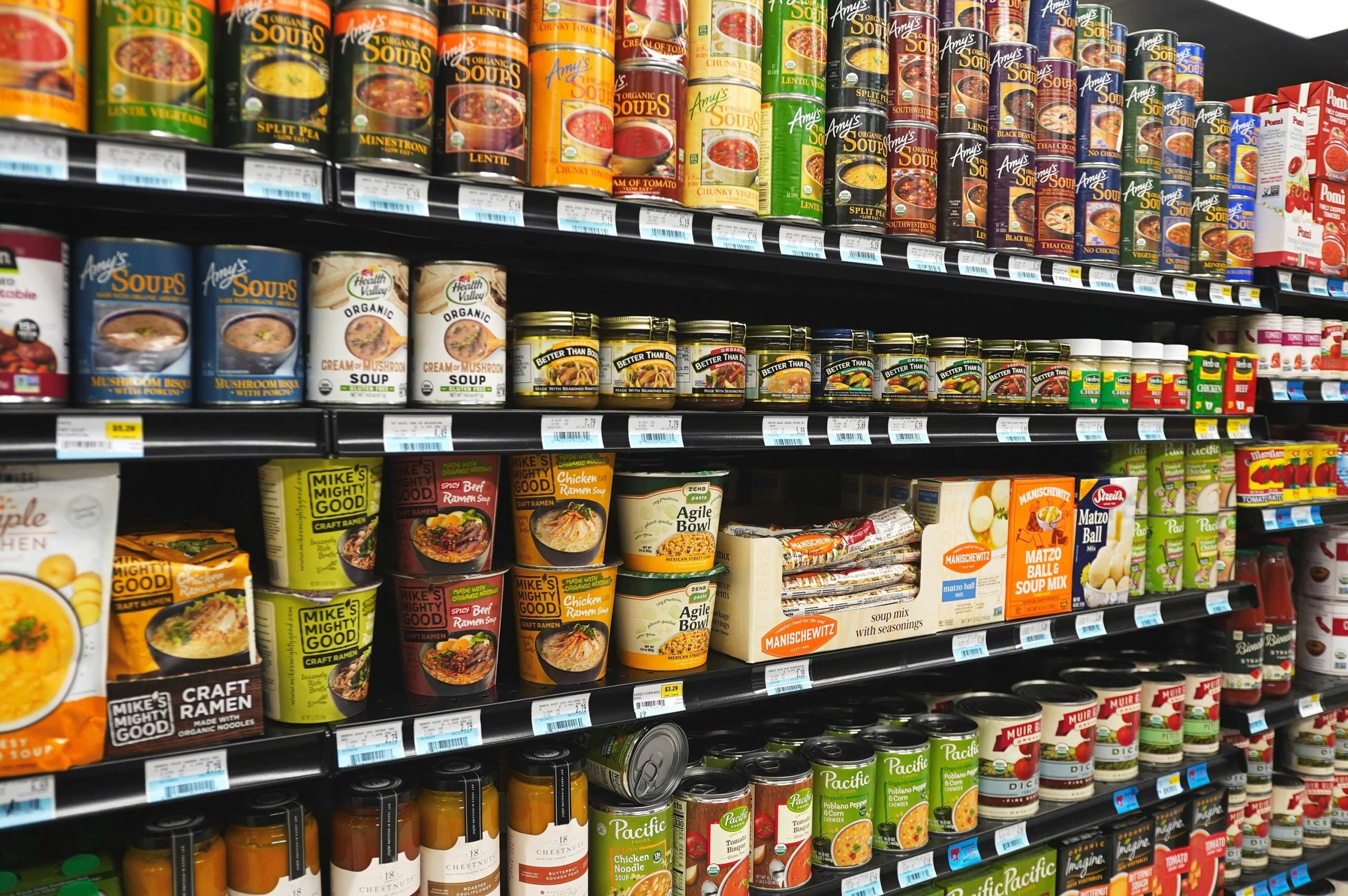
The headline inflation figure does not tell the entire story of Kenya’s cost-of-living pressures.
KNBS reported that Food and Non-Alcoholic Beverages increased by 9.0% year-on-year in August, while the Transport division increased by 15.7%. Housing, Water, Electricity, Gas and Other Fuels increased by 3.6% over the same period.
These three categories are particularly significant because together they account for more than 57% of the weight used in Kenya’s consumer price index across the 13 major expenditure categories.
This helps explain why many households may feel that their personal cost of living is rising faster than the headline inflation rate.
Inflation is calculated using a broad basket of goods and services. A household that spends a large proportion of its income on food and transport can therefore experience a substantially different increase in expenses from the national average.
Why the 6.6% Inflation Rate Matters
A rise from 6.5% to 6.6% may appear small, but it comes at a time when businesses are already dealing with elevated operating costs and consumers remain sensitive to price increases.
For households, persistent price increases reduce the purchasing power of income. If wages do not rise at the same pace as prices, consumers may have less money available for discretionary spending, savings and investment.
For businesses, higher prices can create a difficult balancing act. Companies may face higher costs for transportation, raw materials, food, logistics and other inputs while customers become increasingly resistant to price increases.
This can squeeze profit margins, particularly for businesses that operate in highly competitive markets and cannot easily pass higher costs on to consumers.
Transport Costs Continue to Stand Out
The 15.7% annual increase in transport prices is one of the most notable elements of the August inflation report.
Transport costs affect households directly through commuting and travel expenses, but they also feed into the cost structure of businesses.
A manufacturer, wholesaler or retailer may indirectly face higher costs when goods have to be moved between farms, factories, warehouses, markets and shops.
This means transport inflation can have a wider economic impact than the direct cost paid by passengers.
Interestingly, recent KNBS data also showed that some fuel prices moved differently from transport services. This illustrates why a decline in the price of an individual fuel product does not necessarily translate immediately into lower transport costs for consumers.
Food Prices Continue to Put Pressure on Household Budgets

Food inflation remained another major source of pressure in August.
The 9.0% annual increase in food and non-alcoholic beverage prices was significantly above the overall inflation rate of 6.6%.
Recent reporting based on the KNBS data highlighted substantial annual price increases in several commonly consumed food products, although prices for some individual items also declined.
This variation is important because food inflation is not uniform across every product. Weather conditions, agricultural supply, transportation costs, seasonal production patterns and market conditions can cause individual food prices to move in different directions.
For consumers, however, frequent purchases of several food products can make even moderate increases feel significant over time.
Kenya’s Inflation Remains a Monetary Policy Issue
The inflation figures will also be closely watched by the Central Bank of Kenya (CBK) as it assesses monetary policy and economic conditions.
The CBK’s Monetary Policy Committee retained the Central Bank Rate at 8.75% at its August 11, 2026 meeting.
At that meeting, the CBK said inflation had remained within the target range in July, although food inflation was still elevated. The central bank also highlighted risks from higher global energy prices and geopolitical developments.
The August inflation figure of 6.6% therefore provides policymakers with another important data point as they assess whether price pressures are temporary or becoming more persistent.
However, it would be premature to conclude from one month’s increase that the CBK will automatically raise or cut interest rates. Monetary policy decisions depend on a wider set of indicators, including inflation trends, exchange-rate conditions, economic growth, credit conditions and global developments.
Businesses Are Also Facing a More Challenging Environment
The inflation data comes alongside signs that Kenya’s private-sector recovery remains fragile.
A recent business survey reported that private-sector activity contracted in August 2026 for the first time in three months, with supply constraints and rising cost pressures contributing to weaker output and reduced purchasing activity.
The development suggests that inflation is not simply a household issue. Companies are also navigating higher costs and operational challenges at a time when demand conditions remain important for revenue growth.
For small and medium-sized enterprises in particular, sustained increases in transportation, food, energy and other operating costs can have a disproportionate impact because smaller businesses often have less room to absorb unexpected expenses.
Global Food Prices Add Another Risk
Kenya’s inflation outlook is also influenced by developments outside the country.
The Food and Agriculture Organization of the United Nations reported that global food prices increased sharply in August 2026, with its Food Price Index rising to 133.3 from 130.8 in July.
FAO attributed the increase to higher prices across major food categories, including cereals, vegetable oils, sugar, meat and dairy. Weather-related production risks and geopolitical disruptions were among the factors affecting global food markets.
For Kenya, global food and energy developments matter because international commodity prices can eventually affect domestic production costs, imports, transportation and consumer prices.
What the Inflation Data Means for Kenyan Consumers
For consumers, the most important takeaway is that inflation does not mean every product has become 6.6% more expensive.
Instead, the figure represents the average annual change in prices across the consumer basket used by KNBS.
A household spending heavily on food and transportation could experience significantly greater pressure than a household whose spending pattern is concentrated on categories experiencing slower price growth.
Consumers may therefore continue to feel the effects of higher prices even if headline inflation remains relatively stable.
What It Means for Investors and Businesses
Investors and business owners should pay attention to the direction of inflation rather than focusing on a single monthly figure.
A sustained increase in inflation could influence interest-rate expectations, borrowing costs, consumer spending and investment decisions.
Businesses may also need to reassess pricing strategies, inventory management, supply-chain costs and cash-flow planning if input prices remain elevated.
For investors in fixed-income assets, inflation is particularly important because it affects the real purchasing power of returns. An investment yielding a positive nominal return can still provide a weaker real return if inflation remains high.
At the same time, inflation does not automatically mean that all investments will perform poorly. Different asset classes and businesses respond differently to changing price conditions, making sector-specific analysis important.
Kenya’s Economic Growth Provides Some Support
The inflation increase comes against a backdrop of relatively strong economic growth.
According to the CBK, Kenya’s economy expanded by 5.3% in the first quarter of 2026, up from 4.9% in the corresponding quarter of 2025.
The central bank said growth was broad-based, with stronger performance in the industrial and services sectors. It projected economic growth of 4.9% for 2026 and 5.3% for 2027, although it warned that geopolitical developments, energy prices and other external risks could affect the outlook.
This creates an important economic balance: Kenya is experiencing continued economic expansion, but households and businesses are still dealing with significant price pressures.
What to Watch Going Forward
The next inflation reports will be important for determining whether August’s increase represents a temporary movement or the beginning of a more persistent upward trend.
Markets and businesses are likely to watch several indicators closely, including food prices, fuel and transport costs, the Kenyan shilling, global commodity prices and domestic demand.
Developments in global energy markets could also remain important. The CBK has previously highlighted higher energy prices and geopolitical risks as potential threats to both inflation and economic growth.
If food and transport inflation remain elevated, pressure on household budgets and business operating costs could persist even if headline inflation moves only gradually.
Key Takeaways
- Kenya’s annual inflation rose to 6.6% in August 2026, up from 6.5% in July.
- Monthly inflation increased to 0.4% in August from 0.2% in July.
- Food and non-alcoholic beverage prices rose 9.0% year-on-year.
- Transport prices increased 15.7% year-on-year, making transport one of the strongest sources of inflationary pressure.
- Housing, water, electricity, gas and other fuels increased 3.6%.
- Food, transport and housing-related categories together account for more than 57% of the CPI basket’s weight.
- The CBK maintained its Central Bank Rate at 8.75% at its August 11, 2026 meeting.
- Kenya’s economy grew 5.3% in Q1 2026, according to the CBK.
- Global food-price increases remain a potential risk to Kenya’s inflation outlook.
- The 6.6% headline rate is an average and does not mean every Kenyan household experienced a 6.6% increase in its personal expenses.
Bottom Line
Kenya’s August inflation data presents a mixed picture. The headline inflation rate remains manageable compared with the much higher levels experienced during previous periods of severe price instability, but the latest figures show that significant pressure remains in areas that directly affect households and businesses.
The 9.0% increase in food prices and 15.7% rise in transport costs are particularly important because these categories have a large influence on household budgets and business operating costs.
For consumers, the figures suggest that careful budgeting remains important. For businesses, continued attention to costs, pricing and cash flow will be essential. For investors and financial-market participants, the direction of inflation will remain an important factor when assessing interest rates, fixed-income returns and the broader economic outlook.
For now, Kenya’s inflation story is less about a sudden surge in the headline number and more about where price pressures are concentrated and how long they persist.
Disclaimer
Disclaimer: This article is provided for general news and informational purposes only. It is based on publicly available economic data and reporting from sources including the Kenya National Bureau of Statistics, the Central Bank of Kenya and other reputable news organizations. Economic conditions and market data can change, and information may be revised after publication. Nothing in this article should be interpreted as financial, investment, tax or business advice. Readers should conduct their own research and, where appropriate, consult a qualified financial professional before making financial or investment decisions.