
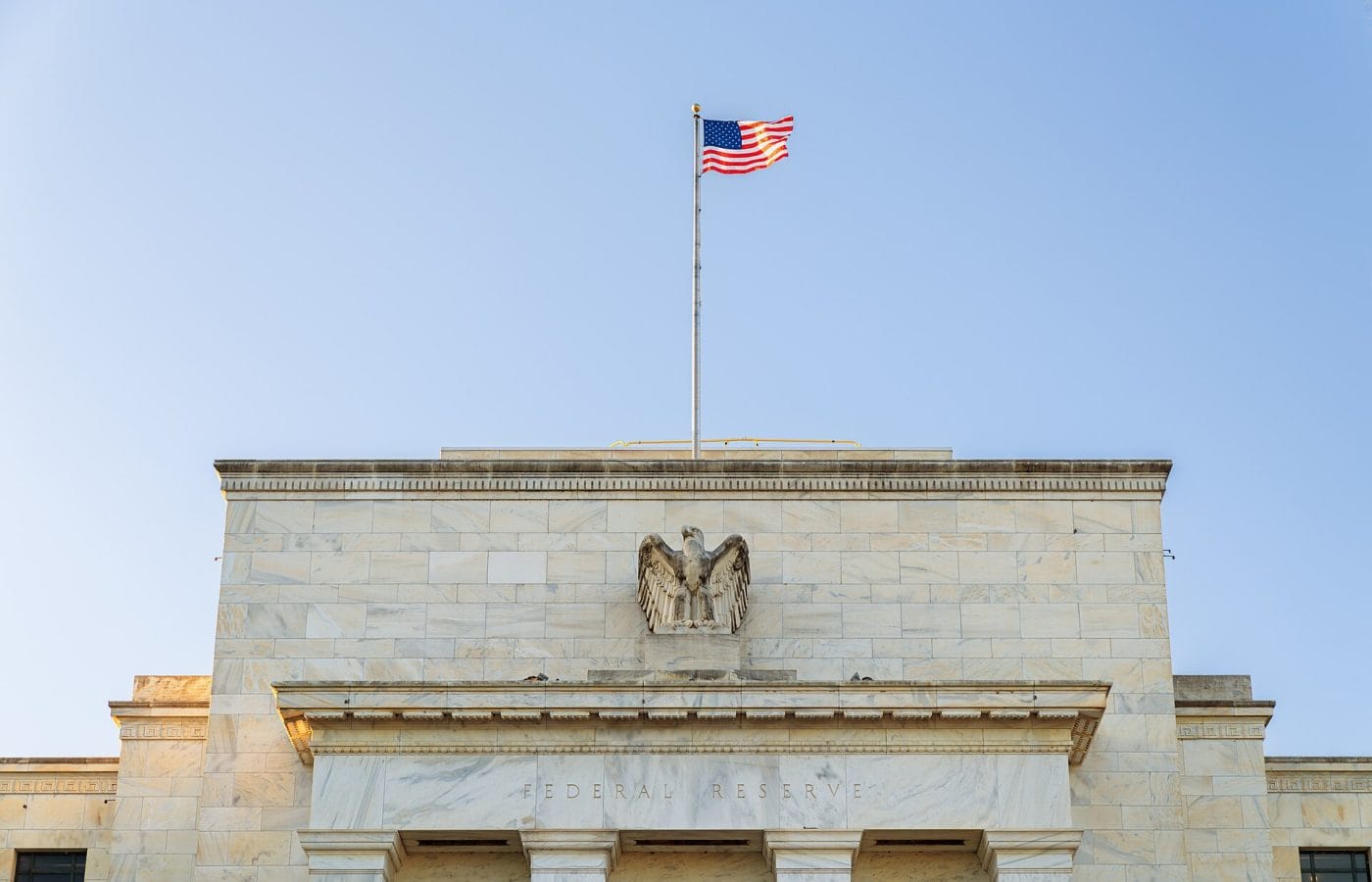
US Markets Rally as Inflation Data Boosts Fed Rate Expectations


US Inflation Shapes Markets: Dollar Firms, Wall Street Rises, Gold Rebounds and Oil Retreats
12 September 2026 | SkyPress Desk | Market Roundup
Key Takeaways
- U.S. consumer inflation accelerated in August, with headline CPI rising 0.4% month-on-month.
- Annual headline inflation held at 3.4%, while core CPI eased to 2.4% from 2.5% previously.
- Markets increased expectations for a Federal Reserve rate hike at next week’s meeting.
- U.S. equities finished higher, while major European indexes also ended Friday in positive territory.
- Gold rebounded by more than 1%, although the metal remained lower for the week.
- Brent crude declined 2.81% but remained above $100 a barrel.
- Weak U.S. consumer sentiment and higher inflation expectations added another layer of uncertainty for markets.
Financial markets ended the week with investors weighing two competing forces: persistent U.S. inflation pressures and signs of softer consumer confidence.
August inflation data showed that consumer prices increased more quickly on a monthly basis, while underlying inflation remained elevated. The figures strengthened expectations that the Federal Reserve could maintain a restrictive policy stance and potentially raise interest rates at its upcoming meeting.
At the same time, falling oil prices provided some relief to equity markets, helping Wall Street and major European indexes finish Friday higher.
Gold also recovered strongly after recent weakness, while the U.S. dollar strengthened against several major currencies as traders reassessed the interest-rate outlook.
U.S. Inflation Keeps Markets Focused on the Federal Reserve
The U.S. Consumer Price Index increased 0.4% in August, matching market expectations and accelerating from the 0.1% increase recorded in July.
On an annual basis, headline CPI remained at 3.4%, unchanged from July and broadly in line with expectations.
The core CPI measure, which excludes food and energy prices, rose 0.3% month-on-month, above the 0.2% forecast. However, annual core inflation eased to 2.4% from 2.5% previously.
The combination of stronger monthly inflation and a still-elevated annual rate kept attention firmly on the Federal Reserve’s next policy decision.
Market pricing following the data pointed to a significantly higher probability of a rate increase at the Fed’s upcoming meeting. The CME FedWatch Tool showed the implied probability rising to roughly 91%, compared with about 72% before the inflation figures were released.
Higher interest-rate expectations generally provide support for the U.S. dollar because they can increase the relative attractiveness of dollar-denominated assets.
Inflation Expectations Rise While Consumer Confidence Weakens
Friday’s U.S. data also highlighted a more complicated economic picture.
The University of Michigan’s preliminary September survey showed one-year inflation expectations rising to 4.6%, compared with a 4.2% forecast and 4.0% previously.
Five-year inflation expectations also moved higher to 3.4%, slightly above the 3.3% forecast.
Meanwhile, consumer sentiment deteriorated. The September consumer sentiment index fell to 47.8, below the 51.0 forecast and down from 51.7 previously.
Consumer expectations dropped to 45.8, while the current conditions reading came in at 50.9.
The data suggests that households remain concerned about the cost of living and the broader economic environment even as inflation remains well above the Federal Reserve’s 2% target.
Dollar Gains Ground Against the Euro
The U.S. dollar gained ground against the euro as traders assessed the latest inflation figures and their potential implications for Federal Reserve policy.
EUR/USD
EUR/USD moved lower after the U.S. inflation release as expectations for tighter U.S. monetary policy increased.
The pair is facing near-term resistance around 1.1622, with a move above that area potentially opening the way toward 1.1637. On the downside, support is located around 1.1578, followed by the 1.1539 area.
These levels represent market reference points rather than trading recommendations, and price action can change rapidly around central-bank decisions and economic releases.
GBP/USD
Sterling remained relatively firm against the dollar as investors considered stronger-than-expected U.K. economic growth alongside the latest U.S. inflation figures.
U.K. GDP was reported to have grown 1.6% year-on-year in July, exceeding the 1.2% expectation and marking the fastest annual growth since February 2025.
GBP/USD faced resistance around 1.3556, with 1.3560 another important reference area. Support was seen around 1.3482, followed by approximately 1.3443.
USD/CAD
The Canadian dollar weakened against its U.S. counterpart after the U.S. inflation report increased expectations for higher U.S. interest rates.
Canada’s currency has also faced pressure from trade tensions between Canada and the United States. With a large share of Canadian exports destined for the U.S. market, developments in bilateral trade remain important for the Canadian dollar.
USD/CAD encountered resistance around 1.3892, with the 1.3941 region representing another upside reference point. Support was located around 1.3767, followed by 1.3743.
USD/JPY
The dollar initially strengthened against the yen following the U.S. inflation release before giving back some of its gains.
Market attention remains divided between expectations for tighter U.S. monetary policy and speculation that the Bank of Japan could increase interest rates at its upcoming meeting.
The yen was on track for a second consecutive weekly gain against the dollar, with USD/JPY last around 153.69.
Key market reference levels included resistance around 155.04 and 156.79, while support was seen around 152.62 and 151.81.
European Stocks Finish Higher
European equities ended Friday higher as retreating oil prices offered some relief after a difficult week for risk assets.
Energy-market volatility, inflation expectations and elevated bond yields had weighed on sentiment during the week, leaving European markets on course for their largest weekly decline in roughly two months.
Despite those pressures, the major indexes finished the session in positive territory:
- FTSE 100: +0.39%
- DAX: +0.82%
- CAC 40: +0.78%
The gains suggested that investors were willing to look beyond the latest inflation concerns as oil prices moved lower.
Wall Street Ends the Week Higher
U.S. stocks also finished Friday’s session higher.
Equities benefited from a decline in oil prices, while investors continued to assess what the latest inflation data could mean for monetary policy.
- Dow Jones Industrial Average: +0.98%
- S&P 500: +0.86%
- Nasdaq Composite: +0.96%
The gains came despite evidence that inflation remains sticky and consumer confidence has weakened.
For investors, the key question heading into next week’s central-bank decisions is whether stronger inflation pressures will outweigh concerns about economic growth and consumer sentiment.
Gold Rebounds Above $4,300
Gold prices recovered sharply on Friday, gaining more than 1% as the precious metal stabilized following recent declines.
Spot gold rose approximately 1.1% to $4,363.01 per ounce by 1:40 p.m. EDT, according to the market data supplied for this report.
Despite Friday’s rebound, gold remained approximately 1.5% lower for the week.
The recovery came despite stronger expectations for a Federal Reserve rate increase. Gold can face pressure from higher interest rates because rising yields can increase the opportunity cost of holding a non-yielding asset. However, uncertainty surrounding inflation, geopolitical developments and financial markets can also support demand for the metal.
Oil Prices Pull Back but Remain Above $100
Crude oil prices retreated on Friday but remained at historically elevated levels, with Brent crude holding above the $100-per-barrel mark.
Brent crude futures settled 2.81% lower at $104.61 a barrel.
The decline offered some relief to financial markets, particularly equities, after oil prices had climbed sharply during the week.
However, elevated crude prices and record diesel prices remain important inflation risks. Higher energy and transportation costs can feed into the prices of goods and services, potentially making it more difficult for inflation to return sustainably toward central-bank targets.
What Markets May Watch Next
Attention now shifts toward the major central-bank meetings and the next round of economic indicators.
For the U.S. market, the Federal Reserve’s upcoming policy decision will be the central event. Investors will be watching not only the rate decision but also policymakers’ assessment of inflation, employment and the broader economic outlook.
Currency markets will continue to respond to changes in interest-rate expectations, particularly where the outlook for the Federal Reserve diverges from that of the European Central Bank, Bank of England, Bank of Canada and Bank of Japan.
Commodity markets will remain sensitive to developments in energy prices, inflation expectations and geopolitical risks.
SkyPress Market Outlook
The latest U.S. data leaves financial markets in a delicate position. Inflation remains above the Federal Reserve’s target, while consumer sentiment has weakened and inflation expectations have moved higher.
That combination could keep interest-rate expectations and the U.S. dollar in focus in the coming sessions. At the same time, falling oil prices could provide temporary relief for equity markets and reduce some immediate inflation pressure.
Gold’s rebound demonstrates that investors continue to respond to a mixture of monetary-policy expectations, inflation concerns and broader uncertainty.
Over the coming weeks, the interaction between inflation, interest rates, energy prices and economic growth is likely to remain one of the most important themes across global financial markets.
SkyPress Summary
Friday’s market action reflected a complex economic backdrop. U.S. inflation accelerated on a monthly basis, strengthening expectations for tighter Federal Reserve policy, while consumer confidence deteriorated and inflation expectations increased.
The dollar gained ground against several major currencies, Wall Street finished higher, European equities advanced, gold rebounded and oil prices declined while remaining above $100 a barrel.
The next major catalyst will be the upcoming central-bank decisions and the guidance policymakers provide about the path of interest rates.
Related Market Report
For additional context on recent U.S. market movements, dollar performance, gold prices and changing Federal Reserve expectations, read our earlier SkyPress market roundup:
US Dollar Slips as Stocks Rally and Gold Surges Amid Falling Fed Rate-Hike Bets
Market & Financial Disclaimer
This article is provided by SkyPress by Skyrexx for general informational and educational purposes only. It does not constitute financial, investment, trading, or other professional advice. Market prices and economic conditions can change rapidly, and past performance does not guarantee future results. Any market levels, forecasts or observations mentioned in this report are provided for informational purposes and should not be interpreted as a recommendation to buy, sell or hold any financial instrument. Readers should conduct their own research and consider seeking advice from a qualified financial professional before making financial decisions.
Source: Market data and economic figures supplied for this SkyPress market report, including U.S. economic data, market pricing and major financial-market indicators.
Published by: SkyPress Desk | SkyPress by Skyrexx