

The Power of Commodities Trading: How Smart Traders Profit from Global Markets
Commodities trading has become one of the most powerful ways for traders to tap into global economic movements. From gold and crude oil to agricultural products like wheat and coffee, these markets offer unique opportunities that go beyond traditional forex and stock trading.
For modern traders, commodities are not just assets — they are reflections of the global economy. Understanding how they move gives you a deeper edge in financial markets.
What is Commodities Trading?
Commodities trading involves buying and selling raw materials or primary goods in financial markets. These assets are typically grouped into three major categories:
- Precious Metals – such as gold and silver
- Energy – including crude oil and natural gas
- Agricultural Products – like wheat, corn, and coffee
Each category behaves differently, giving traders multiple ways to diversify and capitalize on different market conditions.
Why Commodities Matter in Trading
Unlike stocks or cryptocurrencies, commodities are deeply tied to real-world supply and demand. This makes their price movements more logical when you understand the underlying drivers.
For example:
- Gold rises during economic uncertainty
- Oil reacts to geopolitical tensions
- Agricultural commodities move with weather and seasonal demand
This creates predictable patterns that skilled traders can exploit consistently.
The Three Core Markets Every Trader Should Understand
1. Gold – The Safe Haven Asset
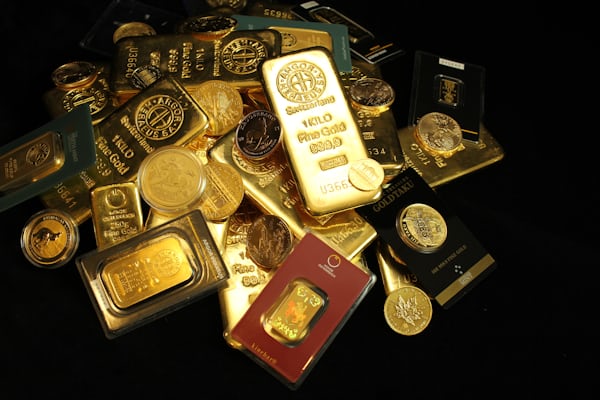
Gold remains the most traded commodity globally. It acts as a hedge against inflation and currency devaluation. When markets become unstable, gold often becomes the first destination for institutional money.
If you want to master this market, read our complete guide here:
👉 Gold (XAU/USD) Trading Guide
2. Crude Oil – The Engine of the Global Economy
Crude oil is one of the most volatile and opportunity-rich commodities. Its price is driven by supply, demand, and global politics, making it ideal for traders who thrive on fast-moving markets.
To understand oil trading deeply:
3. Agricultural Commodities – The Underrated Opportunity
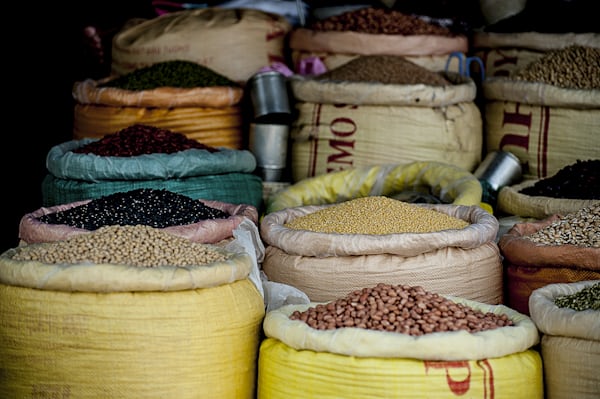
Agricultural markets are often overlooked, yet they provide some of the most predictable trends due to seasonal cycles. Weather conditions, harvest periods, and global consumption patterns create unique trading opportunities.
Learn more here:
👉 Agricultural Commodities Trading Guide
How Traders Actually Make Money in Commodities
Professional traders don’t rely on luck — they follow structured strategies backed by data and discipline.
Trend Trading
Identify strong directional movement and trade with momentum. Commodities like gold and oil often form long, sustained trends.
Breakout Trading
Enter the market when price breaks key support or resistance levels, especially during major economic news.
Fundamental Trading
Analyze real-world data such as inflation reports, supply levels, and geopolitical developments.
Risk Management: The Difference Between Winners and Losers
One of the biggest mistakes beginners make is ignoring risk management. Commodities are volatile, and without proper control, losses can escalate quickly.
- Never risk more than 1–2% per trade
- Always use stop-loss orders
- Avoid emotional trading
- Stick to a clear strategy
Consistency in risk management is what separates professional traders from gamblers.
Common Mistakes to Avoid
- Trading without understanding market drivers
- Overleveraging positions
- Ignoring global news events
- Jumping into trades without confirmation
Avoiding these mistakes alone can significantly improve your performance.
Expert Insight: What Most Traders Get Wrong
Many traders focus only on charts while ignoring the bigger picture. In commodities trading, macroeconomic awareness is just as important as technical analysis.
Understanding why a market is moving gives you conviction — and conviction leads to better decisions.
Why Commodities Should Be Part of Your Trading Strategy
Adding commodities to your trading portfolio provides:
- Diversification
- Exposure to global markets
- More trading opportunities
- Better risk distribution
Instead of relying on a single market, commodities allow you to spread risk and increase potential returns.
Final Thoughts
Commodities trading is one of the most rewarding paths for traders who are willing to understand the market deeply. Whether it’s gold reacting to inflation, oil responding to global tensions, or agricultural markets moving with seasons — every commodity tells a story.
Your job as a trader is to read that story before the rest of the market does.
If you’re serious about mastering commodities, start by diving deeper into each market:
The more you understand, the more confident and profitable your trading becomes.