
Saving Money: The Complete Guide To Building Better Saving Habits
Saving Money: The Complete Guide To Building Better Saving Habits
Learn how to save money effectively, reduce unnecessary expenses, build strong saving habits, prepare for emergencies, and create a stronger financial future step by step.
The Complete Guide To Saving Money
Saving money is one of the most important financial habits anyone can develop. It creates a foundation for financial security, helps you prepare for the future, and gives you greater control over your financial decisions.
Many people believe saving money is only possible when they earn a high income. However, effective saving is more about developing the right habits, managing your expenses, and making intentional decisions with the money you already have.
Whether you are saving for emergencies, future investments, a major purchase, or long-term financial goals, building a consistent saving habit can transform your financial life.
What Does Saving Money Mean?
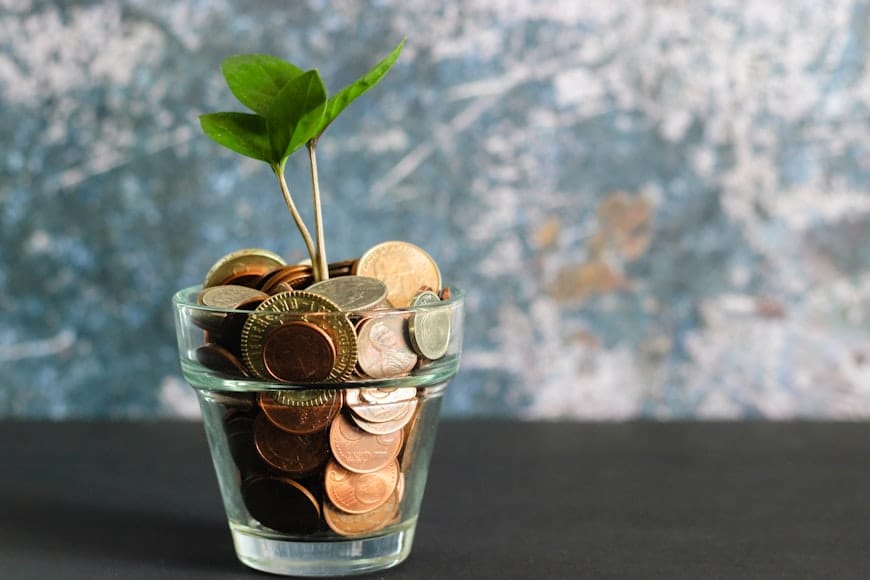
Saving money means setting aside a portion of your income instead of spending everything you earn. The money saved can be used for future needs, unexpected situations, or opportunities that require financial preparation.
A strong saving habit allows you to create financial protection and reduces your dependence on borrowing when challenges occur.
Saving is not about keeping every coin and avoiding enjoyment. It is about finding balance between enjoying today and preparing for tomorrow.
Why Saving Money Is Important
Building savings provides many financial benefits and helps you create a more stable future.
Creates Financial Security
Savings provide a safety cushion that can help you handle unexpected expenses without disrupting your financial plans.
Reduces Financial Stress
Having money set aside gives you confidence and reduces worry when unexpected situations happen.
Helps You Achieve Goals
Savings make it easier to work toward important goals such as education, starting a business, buying assets, or investing.
Saving Money And Budgeting Work Together
Saving and budgeting are closely connected. A budget helps you understand where your money goes, while saving helps you build financial progress.
Your monthly budget should include savings as a planned expense, not something you do only when money remains at the end of the month.
Learn Monthly BudgetingDifferent Types Of Savings
Saving money is not only about keeping cash aside. Different savings goals serve different purposes, and understanding these categories helps you create a better financial plan.
Emergency Savings
Emergency savings are designed to protect you from unexpected expenses such as medical costs, urgent repairs, job loss, or sudden financial challenges.
Building an emergency fund should be one of your first financial priorities because it provides protection when life does not go according to plan.
Build Your Emergency FundShort-Term Savings
Short-term savings are used for goals that may happen within months or a few years, such as buying equipment, paying school fees, travelling, or making a planned purchase.
Long-Term Savings
Long-term savings are designed for future goals that require more time, such as retirement planning, wealth creation, or major investments.
How Much Money Should You Save?
The amount you should save depends on your income, expenses, responsibilities, and financial goals. There is no single amount that works for everyone.
The 10% Saving Rule
A common starting point is saving at least 10% of your income. This can help you develop consistency and create a strong financial habit.
The 20% Saving Goal
Some people aim to save around 20% of their income, especially when they have more financial flexibility.
Start Small And Increase Over Time
If saving a large amount feels difficult, begin with a smaller amount and increase it gradually as your income improves.
The most important factor is consistency. Regular saving, even in small amounts, can create significant progress over time.
Where Should You Keep Your Savings?
Choosing the right place to keep your savings depends on your goals and how quickly you may need access to the money.
Savings Accounts
Traditional savings accounts provide easy access to your money and are suitable for emergency funds and short-term goals.
Money Market Accounts
Money market accounts may offer additional benefits while still allowing access to your funds.
Investment Options
For long-term goals, some people explore investment options that may help their money grow over time while understanding the risks involved.
The Difference Between Saving And Investing
Saving and investing both involve preparing for the future, but they serve different purposes.
- Saving: Focuses on protecting money and preparing for short- term needs.
- Investing: Focuses on growing wealth over time through assets and opportunities that may increase in value.
A strong financial plan usually includes both saving for security and investing for long-term growth.
Practical Strategies To Save More Money
Saving money becomes easier when you create systems that support your financial goals. Small changes in your daily habits can create meaningful results over time.
Create A Monthly Saving Plan
Include savings in your monthly budget just like any other important expense. Planning your savings before spending helps you stay consistent.
Automate Your Savings
Automatic transfers can make saving easier by removing the temptation to spend money that should be saved.
Reduce Unnecessary Expenses
Review your spending habits and identify expenses that do not add real value. Redirecting these amounts toward savings can accelerate your progress.
Set Specific Saving Goals
A clear goal gives your savings a purpose. Saving for a specific target makes it easier to stay motivated and track progress.
How To Save Money On A Low Income
Saving is possible even when your income is limited. The key is focusing on consistency, discipline, and making intentional financial decisions.
- Start with a small amount and increase gradually.
- Prioritize essential expenses over unnecessary spending.
- Track your money to understand where it goes.
- Look for ways to increase your income through skills or additional opportunities.
- Avoid comparing your financial journey with others.
Your saving habit matters more than the amount you start with. Building the discipline is the first step toward financial growth.
Common Saving Mistakes To Avoid
1. Saving Only What Is Left Over
Many people spend their income first and save whatever remains. A better approach is to save first and plan your spending with what remains.
2. Not Having A Clear Goal
Saving without a purpose can make it difficult to stay motivated. Clear goals help you measure progress.
3. Keeping All Money For Immediate Spending
Without separate savings, unexpected expenses can force you into debt or financial stress.
4. Ignoring Lifestyle Inflation
When income increases, many people increase their spending instead of increasing their savings.
How Saving Money Builds Financial Freedom
Saving money creates options. It gives you the ability to handle emergencies, take opportunities, and make financial decisions with greater confidence.
Over time, consistent saving can become the foundation for building wealth through investments and other financial opportunities.
Explore More Financial EducationKey Takeaways: Saving Money Successfully
- Saving money is a financial habit that helps you create security and prepare for the future.
- You do not need a high income to start saving. Consistency and discipline are more important than the amount you begin with.
- A good budget helps you create room for savings by giving every amount of money a purpose.
- Emergency savings should be one of your first priorities before focusing on long-term financial goals.
- Small saving habits practiced consistently can create significant financial progress over time.
Frequently Asked Questions About Saving Money
How can I start saving money as a beginner?
Start by reviewing your income and expenses, creating a simple budget, and setting aside a small amount regularly. The most important step is developing the habit of saving consistently.
What is the best way to save money every month?
The best approach is to include savings in your monthly budget and automate your savings whenever possible. This makes saving a priority instead of an afterthought.
Should I save money or pay off debt first?
In many cases, it is helpful to build a small emergency fund while also creating a plan to manage high-interest debt. The right approach depends on your personal financial situation.
How much should I have in emergency savings?
Many financial experts recommend building enough emergency savings to cover several months of essential expenses. Start with a small goal and increase it over time.
Where is the safest place to keep my savings?
The best option depends on your goals. Savings accounts and other secure financial products can be suitable for money you need access to, while long-term goals may involve different options.
Continue Learning With SkyPress
Building strong saving habits is an important step toward financial freedom. Continue improving your financial knowledge with more practical guides from SkyPress.
- The Complete Beginner’s Guide To Budgeting
- How To Create A Monthly Budget That Actually Works
- How To Build An Emergency Fund From Scratch
- Investing For Beginners: A Complete Guide
Financial Disclaimer
The information provided by SkyPress is for educational and informational purposes only. It should not be considered financial, investment, tax, or legal advice.
Financial decisions should always be based on your personal circumstances, goals, and risk tolerance. Consider seeking professional guidance when necessary.
About SkyPress Financial Education Team
The SkyPress Financial Education Team creates practical financial guides to help readers understand money management, saving, investing, banking, and wealth-building concepts.
Our goal is to simplify financial education and provide useful knowledge that helps people make informed financial decisions.
Start Building Better Saving Habits Today
Saving money is not about how much you earn. It is about making better financial choices, creating consistent habits, and preparing for the future.
Begin with small steps, stay consistent, and continue improving your financial knowledge with SkyPress.
Explore SkyPress Financial Guides