

EPRA Holds Kenya Fuel Prices Steady for September–October 2026 Despite Global Oil Market Shifts

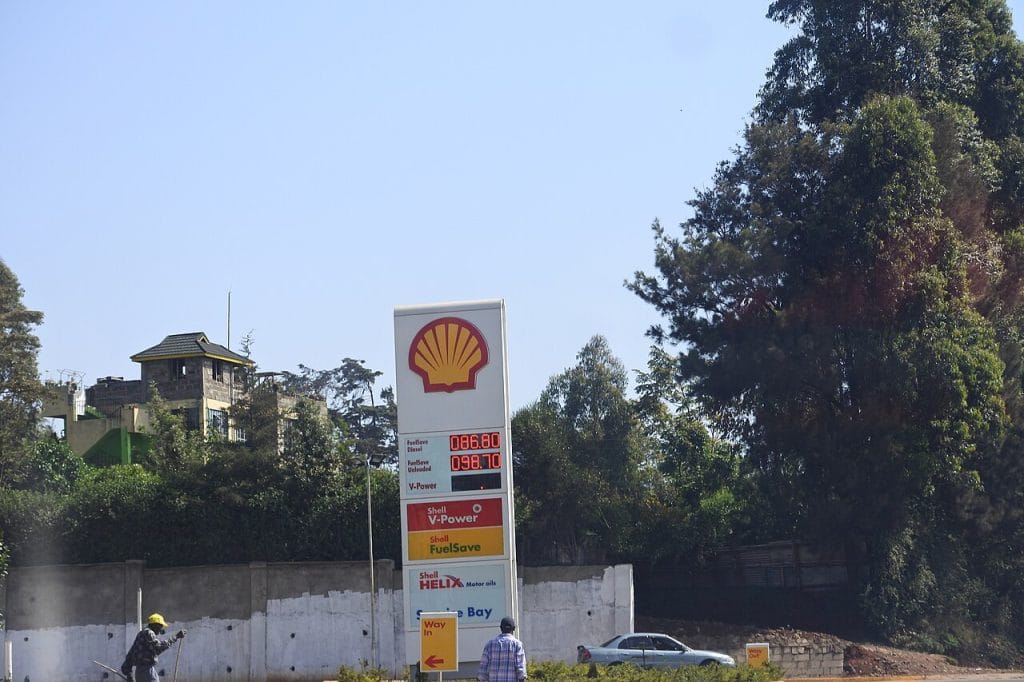
SkyPress News Desk — Kenya’s fuel prices will remain unchanged for the September 15 to October 14, 2026 pricing period, according to the latest review by the Energy and Petroleum Regulatory Authority (EPRA). The decision comes despite notable movements in international petroleum costs, with diesel and kerosene becoming more expensive while petrol prices declined.
Kenya’s fuel prices will remain unchanged for the pricing cycle running from September 15 to October 14, 2026, after the Energy and Petroleum Regulatory Authority (EPRA) announced its latest monthly review.
The decision comes despite significant changes in international petroleum costs, with diesel and kerosene import prices rising sharply while the cost of super petrol declined during the review period.
Under the new pricing schedule, motorists and households in Nairobi will continue paying:
- Super Petrol: KSh 214.03 per litre
- Diesel: KSh 217.86 per litre
- Kerosene: KSh 191.38 per litre
EPRA said the prices were calculated in line with the Petroleum Act, 2019, and related regulations governing fuel pricing in Kenya.
International Fuel Costs Moved in Different Directions
According to EPRA data, the average landed cost of imported petroleum products recorded mixed performance during August 2026.
- Super Petrol fell by approximately 7.9%, dropping from about USD 948.92 to USD 874.26 per cubic metre.
- Diesel rose by nearly 11.9%, increasing from USD 855.59 to USD 957.05 per cubic metre.
- Kerosene climbed by about 9.7%, reaching USD 1,003.87 per cubic metre.
Kenya imports refined petroleum products, making domestic fuel prices sensitive to international oil market movements, shipping costs, exchange rate fluctuations and geopolitical developments.
The Kenya shilling exchange rate used in the latest calculations stood at around KSh 129.72 per US dollar.
Why Stable Fuel Prices Matter to the Economy
Fuel prices have a direct influence on nearly every sector of the Kenyan economy.
When diesel and petrol prices increase, transport operators often face higher operating costs. These costs can eventually be passed on to consumers through higher fares and increased prices for goods and services.
The main areas that can be affected include:
- Transport: Public service vehicles, logistics firms and freight companies depend heavily on diesel and petrol.
- Agriculture: Fuel is used in tractors, irrigation equipment and the transportation of agricultural produce.
- Manufacturing: Factories can face higher production and distribution expenses when energy and fuel costs increase.
- Retail: Businesses may raise prices when transportation and supply-chain costs become more expensive.
- Households: Higher energy and transport costs can put additional pressure on household budgets.
- Food prices: Higher transportation and production costs can eventually filter through to the prices of food and other essential goods.
This means that even when fuel prices are not changing, the stability of pump prices can provide some relief to consumers and businesses already dealing with other economic pressures.
How Higher Fuel Prices Can Ripple Through the Supply Chain
The effect of fuel prices extends well beyond the petrol station.
For example, a farmer may use diesel to operate machinery and transport crops to market. The transporter then incurs fuel costs while moving the produce to wholesalers. Retailers subsequently pay for transportation before the final product reaches consumers.
If fuel prices rise significantly at several points along this chain, businesses may eventually increase their prices to protect their profit margins.
This is why a sustained increase in petroleum prices can contribute to broader inflationary pressure across an economy.
For Kenya, the issue is particularly important because the country depends heavily on imported petroleum products. Changes in international oil prices and the Kenya shilling’s exchange rate can therefore influence the domestic cost of fuel.
The Global Oil Market Remains Uncertain
The latest EPRA announcement comes at a time when global oil markets remain volatile.
Recent concerns over supply disruptions in the Middle East have pushed international crude oil prices higher, increasing uncertainty for fuel-importing countries such as Kenya.
SkyPress recently reported on the sharp increase in crude oil prices as geopolitical disruptions raised concerns about a potential global supply shock.
Related SkyPress Article
Oil Prices Surge as Middle East Disruptions Raise Fears of a Global Supply Shock
If international crude prices remain elevated, future EPRA pricing reviews could face additional pressure, although the final impact would also depend on exchange rates, import costs, taxes, stabilisation measures and other components of Kenya’s fuel-pricing formula.
Could More Local Refining Reduce Future Fuel Price Pressure?
Kenya’s dependence on imported refined petroleum products leaves the country exposed to movements in international fuel prices, shipping costs and foreign exchange rates.
Increasing refining capacity in Africa could potentially improve regional fuel security and reduce some of the logistical challenges associated with importing finished petroleum products.
Nigeria’s Dangote Refinery is one of the continent’s major recent investments in refining capacity and represents an important development in Africa’s petroleum industry.
For Kenya, future investments in refining and petroleum infrastructure could also become strategically important. The development of additional refining capacity, including potential long-term projects associated with the Lamu corridor, could help diversify the country’s energy supply options if such projects become commercially viable and are developed successfully.
Greater domestic or regional refining capacity could potentially:
- Reduce reliance on imported refined petroleum products.
- Improve fuel supply security.
- Reduce some transportation and logistical costs.
- Support industrial development.
- Strengthen regional energy security.
- Reduce exposure to certain international supply disruptions.
However, refining infrastructure requires substantial investment, reliable energy supplies, efficient transportation networks and a commercially sustainable operating environment. A refinery alone would not automatically guarantee lower pump prices, since crude oil costs, taxes, financing, operating expenses and global market conditions would continue to influence the final price.
Related SkyPress Article
Dangote Refinery IPO: What Africa’s Largest Oil Project Means for Energy Markets
What the EPRA Decision Means for Kenyan Consumers
For consumers, the immediate effect of EPRA’s announcement is that there will be no additional increase in the maximum retail prices of petrol, diesel and kerosene during the September 15 to October 14 pricing cycle.
This provides some stability for motorists, public transport operators, businesses and households as they plan their monthly expenses.
For businesses, unchanged fuel prices can also help provide greater predictability when calculating transportation, delivery and production costs.
However, the broader outlook remains dependent on developments in international energy markets. A prolonged rise in crude oil prices could eventually create pressure on future fuel-pricing cycles.
What Could Happen in the Coming Months?
Future fuel prices in Kenya will continue to depend on several factors, including international crude oil prices, the cost of imported petroleum products, the Kenya shilling’s exchange rate against the US dollar, global shipping conditions, taxation and government stabilisation measures.
Geopolitical developments will also remain important. Any major disruption to crude oil production, refining or international shipping routes could increase the cost of petroleum products globally.
Conversely, a sustained decline in international oil prices or stronger regional refining capacity could help reduce some of the pressure on fuel-importing economies.
Key Takeaways
- EPRA has kept Kenya’s maximum fuel prices unchanged for September 15 to October 14, 2026.
- In Nairobi, Super Petrol remains at KSh 214.03 per litre.
- Diesel remains at KSh 217.86 per litre.
- Kerosene remains at KSh 191.38 per litre.
- The landed cost of Super Petrol declined in August, while diesel and kerosene costs increased.
- Higher fuel prices can eventually affect transport, food, manufacturing, agriculture and other supply-chain costs.
- International crude oil prices and geopolitical developments remain important risks for future Kenyan fuel prices.
- Greater refining capacity in Kenya or the wider region could potentially strengthen fuel security, although it would not automatically guarantee lower pump prices.
Frequently Asked Questions
Did EPRA increase fuel prices in September 2026?
No. EPRA kept the maximum retail prices for Super Petrol, diesel and kerosene unchanged for the September 15 to October 14, 2026 pricing period.
How much is petrol in Kenya in September 2026?
In Nairobi, the maximum retail price for Super Petrol remains KSh 214.03 per litre for the current pricing cycle.
How much is diesel in Kenya in September 2026?
Diesel remains at a maximum retail price of KSh 217.86 per litre in Nairobi during the September 15 to October 14, 2026 pricing cycle.
Why are fuel prices important to the Kenyan economy?
Fuel is an important input in transportation, agriculture, manufacturing and logistics. Changes in fuel prices can therefore affect the cost of moving goods and people and may eventually influence consumer prices.
Could a future refinery help Kenya reduce fuel price pressures?
Additional refining capacity could potentially reduce dependence on imported refined petroleum products and improve supply security. However, the price consumers ultimately pay would still depend on crude oil prices, taxes, operating costs, exchange rates and other factors.
Sources and Further Reading
This SkyPress report is based on information from the Energy and Petroleum Regulatory Authority (EPRA), international energy-market research and reporting on global crude oil and refining developments.
- Energy and Petroleum Regulatory Authority (EPRA): Monthly petroleum pricing reviews and petroleum market data.
- International Energy Agency (IEA): Research and analysis on global oil markets, supply and energy security.
- World Bank: Research on commodity prices, energy markets and inflationary pressures.
- International crude oil market data: Benchmark movements in Brent and other global petroleum markets.
SkyPress Disclaimer: This article is published for educational and informational purposes only. It does not constitute financial, investment, trading or energy-market advice. Commodity and energy markets can change rapidly because of economic, geopolitical, supply and currency developments. Readers should conduct their own research and consult qualified professionals where appropriate.