
Gold Prices Fall as Stronger Dollar and Fed Rate Outlook Pressure Bullion

September 22, 2026
Gold prices moved lower on Tuesday as a stronger U.S. dollar and expectations for relatively restrictive Federal Reserve policy put pressure on bullion, while falling oil prices, central-bank purchases and continued investment demand provided important support to the broader market.
Spot gold was trading around $4,319 an ounce during early Tuesday trading, while U.S. gold futures were around $4,356 an ounce. Silver and platinum also moved lower as investors reassessed the outlook for U.S. interest rates following last week’s Federal Reserve decision.
The latest move highlights the competing forces currently shaping the gold market. Higher interest-rate expectations and a stronger dollar can create short-term pressure on bullion, while geopolitical uncertainty, central-bank accumulation and investment demand continue to underpin the longer-term market.
Stronger Dollar Adds Pressure to Gold
One of the immediate factors weighing on gold is the performance of the U.S. dollar.
The dollar strengthened after gaining more than 1% last week following the Federal Reserve’s latest rate decision. Because gold is priced internationally in U.S. dollars, a stronger greenback can make bullion more expensive for buyers using other currencies.
That relationship has become increasingly important as financial markets reassess the path of U.S. monetary policy.
Higher interest rates can increase the opportunity cost of holding gold because bullion does not generate interest income. When investors can obtain higher yields from dollar-denominated assets, some demand can shift away from non-yielding assets such as gold.
Reuters reported that investors are now watching comments from Federal Reserve officials for clues about whether additional tightening could be required later this year.
Federal Reserve Policy Returns to the Spotlight
The Federal Reserve’s interest-rate outlook has become one of the most important drivers of gold prices following last week’s rate increase.
Investors are now looking beyond the latest policy decision and focusing on what Fed officials say about the next stage of monetary policy.
The central question is whether persistent inflation pressures will require the U.S. central bank to maintain restrictive policy for longer or potentially raise rates again, or whether easing price pressures will eventually allow policymakers to become less restrictive.
St. Louis Federal Reserve President Alberto Musalem has argued that further action could be necessary to address inflation pressures linked to strong demand and higher commodity prices.
For gold traders, such comments matter because expectations for higher rates and higher Treasury yields can reduce the appeal of bullion.
However, the relationship between rates and gold is not always straightforward. Gold has also demonstrated resilience during periods when the dollar and bond yields were rising, reflecting the influence of other sources of demand.
Oil Prices Are Adding Another Layer to the Gold Story
Energy markets are also playing an important role in the latest gold-market moves.
Oil prices have fallen sharply over recent sessions as some concerns about Middle East supply disruptions eased and investors turned their attention toward possible diplomatic developments involving the United States and Iran.
Lower crude prices can reduce inflation pressure because energy costs feed into transportation, manufacturing and other parts of the global economy.
If the decline in oil prices continues, it could eventually reduce concerns about another energy-driven inflation shock and potentially ease some pressure on the Federal Reserve to maintain or increase interest rates.
However, geopolitical developments remain capable of changing the picture quickly.
Related SkyPress Market News
Oil Prices Rebound as Markets Watch Possible U.S.-Iran Talks at UN
Oil Prices Fall as Saudi Supply Concerns Ease Despite Middle East Risks
Central-Bank Buying Continues to Support Gold
Despite the short-term pressure from monetary policy and the dollar, central-bank demand remains an important structural factor for gold.
World Gold Council data show that the People’s Bank of China purchased approximately 20.2 tonnes of gold in August, its largest monthly addition since October 2023.
The purchase extended China’s reported gold-buying streak to 22 consecutive months. By the end of August, China’s official gold holdings had reached approximately 2,387 tonnes.
The continued accumulation illustrates how central banks can provide a source of demand that is less directly linked to short-term movements in interest rates or financial-market sentiment.
Central-bank purchases have become an important theme in the global gold market as reserve managers seek greater diversification and resilience amid currency, geopolitical and fiscal uncertainties.
Gold ETF Demand Remains Important
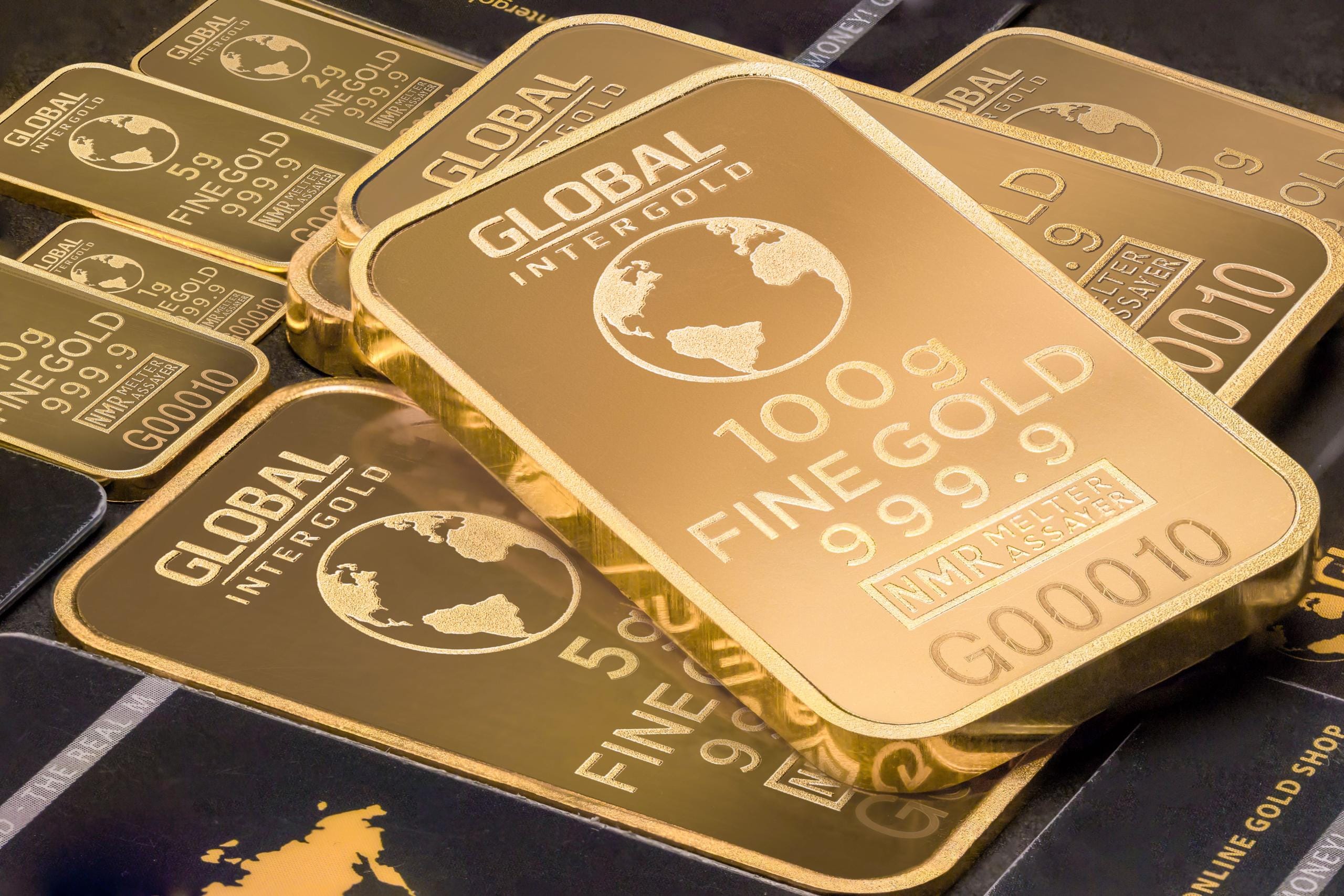
Investment flows into gold-backed exchange-traded funds are another factor being monitored by the market.
The World Gold Council reported that Chinese gold ETFs added approximately 11 tonnes during August, taking their collective holdings to around 293 tonnes. Their assets under management also increased during the month.
The data indicate that investment demand has remained active even as gold prices have traded at historically elevated levels.
Gold also recorded a strong August performance, with the World Gold Council reporting a gain of approximately 13% in the LBMA Gold Price PM benchmark during the month.
That strong performance was supported by improving ETF and futures positioning as investors responded to changing Federal Reserve expectations and concerns surrounding U.S. debt and broader economic conditions.
Gold Faces Competing Market Forces
The current gold market is being influenced by two very different sets of forces.
On one side, a stronger U.S. dollar and expectations for higher interest rates are creating short-term pressure. If inflation remains persistent and Federal Reserve officials continue supporting restrictive monetary policy, bullion could remain sensitive to changes in Treasury yields and the dollar.
On the other side, central-bank purchases, ETF demand, geopolitical uncertainty and concerns surrounding global fiscal conditions can provide longer-term support.
This creates an environment in which gold can experience short-term corrections without necessarily eliminating the broader sources of demand supporting the market.
Middle East Developments Remain Important
Geopolitical developments are another major variable for gold and other safe-haven assets.
Markets are closely monitoring developments surrounding the Middle East, particularly the possibility of diplomatic engagement between the United States and Iran.
Any meaningful progress toward reducing tensions could help keep oil prices under pressure by reducing fears of prolonged supply disruptions. Conversely, renewed escalation could push energy prices higher and revive concerns about inflation.
That would create another complicated environment for gold because higher oil prices could increase demand for inflation protection while simultaneously strengthening expectations for tighter monetary policy.
What Traders Are Watching Next
Gold traders are likely to focus on several major variables during the coming sessions.
- Federal Reserve officials’ comments about future interest-rate policy.
- Movements in the U.S. dollar and Treasury yields.
- Whether recent weakness in crude oil prices continues.
- Developments surrounding possible U.S.-Iran discussions.
- Gold ETF inflows and investor positioning.
- Central-bank gold purchases, particularly from major reserve holders.
- Fresh inflation and economic data that could influence expectations for U.S. monetary policy.
The interaction between these factors could determine whether gold’s latest decline develops into a deeper correction or remains a relatively limited pullback within a broader high-price environment.
Gold Market Outlook
The latest decline in gold does not by itself establish a new long-term direction for the precious metal.
Instead, Tuesday’s price action demonstrates how sensitive bullion remains to changes in expectations for U.S. monetary policy, currency markets and energy prices.
A sustained period of stronger interest rates and dollar appreciation could continue to create resistance for gold. At the same time, continued central-bank accumulation, investment demand and geopolitical uncertainty could provide support.
The oil market could also become increasingly important. If crude prices remain lower, inflation expectations could moderate and reduce one of the pressures facing monetary policymakers. But renewed disruption in the Middle East could quickly reverse that trend.
For investors and market observers, the key issue is therefore the balance between short-term monetary-policy pressure and longer-term demand for gold as a reserve and diversification asset.
SkyPress will continue monitoring gold, the U.S. dollar, Federal Reserve policy, oil markets and the broader global economic environment as new data and policy developments emerge.
Key Takeaways
- Gold prices declined Tuesday as the stronger U.S. dollar and expectations for restrictive Federal Reserve policy pressured bullion.
- Higher interest rates can reduce the relative appeal of gold because the metal does not generate interest income.
- Falling oil prices could ease some inflation pressure if the decline proves sustainable.
- China’s central bank added approximately 20.2 tonnes of gold in August, extending its buying streak to 22 consecutive months.
- Chinese gold ETFs also recorded additional inflows during August.
- Middle East developments remain important because changes in energy-supply risks can affect oil prices and inflation expectations.
- Gold is currently being influenced by competing short-term monetary-policy pressures and longer-term structural demand.
Frequently Asked Questions
Why are gold prices falling?
Gold is facing pressure from a stronger U.S. dollar and expectations that U.S. interest rates could remain elevated for longer. Higher rates can increase the opportunity cost of holding a non-yielding asset such as gold.
How do oil prices affect gold?
Oil prices can affect gold indirectly through inflation and monetary policy. Lower energy prices can reduce inflation pressure, potentially reducing expectations for additional interest-rate increases. Higher oil prices can have the opposite effect.
Is China still buying gold?
Yes. World Gold Council data show that the People’s Bank of China added approximately 20.2 tonnes to its gold reserves in August, extending its reported buying streak to 22 consecutive months.
What could influence gold prices next?
Markets are likely to watch Federal Reserve commentary, the U.S. dollar, Treasury yields, oil prices, geopolitical developments, ETF flows and central-bank purchases.
Article Disclaimer
This SkyPress article is provided for educational and informational purposes only. It is not financial, investment, trading or commodity-market advice. Gold, currencies, commodities and other financial markets can be highly volatile, and past market movements do not guarantee future results. Readers should conduct their own research and consider seeking advice from a qualified financial professional before making financial decisions.
Sources
- Reuters — Gold market reporting and Federal Reserve policy developments, September 22, 2026.
- World Gold Council — China gold-market update and August central-bank purchasing data.
- World Gold Council — Weekly Markets Monitor and global gold-market developments.
- Investing.com — Gold, dollar, oil and Federal Reserve market developments, September 22, 2026.
SkyPress by Skyrexx
Practical, clear and responsible financial education and market news.
© 2026 SkyPress by Skyrexx. All rights reserved.