
US Senate Crypto Bill Stalls After CLARITY Act Fails Key Vote

U.S. Senate Blocks Progress on CLARITY Act as Crypto Regulation Efforts Face New Setback
By SkyPress Desk | SkyPress News
Published: September 16, 2026
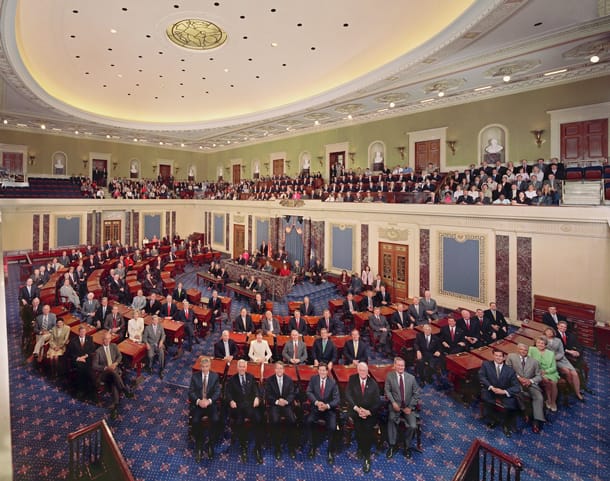
WASHINGTON — September 16, 2026: The U.S. Senate has failed to advance the CLARITY Act, a major cryptocurrency market-structure bill intended to establish a more comprehensive regulatory framework for digital assets in the United States.
The procedural vote on Tuesday, September 15, produced 50 votes in favor and 49 against, but the measure fell short of the 60 votes required to advance. Four Republican senators joined Democrats in voting against the legislation.
The outcome represents a setback for lawmakers and cryptocurrency industry participants who have been working toward clearer federal rules for digital assets.
The bill’s failure followed disagreements over ethics requirements for public officials with cryptocurrency interests, as well as concerns from the banking sector about stablecoin reward programs and their potential effect on traditional bank deposits and lending.
Although the Senate vote has stalled the legislation, it does not by itself mean that efforts to establish cryptocurrency regulations in the United States have ended.
Key Takeaways
- The U.S. Senate failed to advance the CLARITY Act during a procedural vote on September 15, 2026.
- The measure received 50 votes in favor and 49 against but needed 60 votes to advance.
- Four Republican senators joined Democrats in opposing the measure.
- Disagreements included ethics requirements for public officials and stablecoin-related concerns.
- Banking groups continued to raise concerns that stablecoin rewards could compete with traditional bank deposits and affect lending capacity.
- Bitcoin and crypto-related stocks declined following the setback, although broader market conditions also influence asset prices.
- The failed procedural vote does not automatically end future efforts to develop cryptocurrency regulation.
Related SkyPress Coverage
SkyPress previously reported on the legislation ahead of the Senate vote. Read our earlier coverage:
US Crypto Regulation at a Turning Point as Senate Prepares for CLARITY Act Vote
This follow-up report examines the vote’s outcome and what the setback could mean for the future of cryptocurrency regulation in the United States.
What Happened in the Senate Vote?
The CLARITY Act failed to secure enough support during the Senate’s procedural vote on September 15, 2026.
The measure received 50 votes in favor and 49 against, but Senate rules required 60 votes for the legislation to advance. Four Republican senators — Jerry Moran, Rand Paul, Josh Hawley and Thom Tillis — joined Democrats in opposing the measure, according to Reuters reporting.
The vote was a procedural step rather than a final vote establishing the proposed cryptocurrency regulatory framework as law.
This distinction is important. The failure to advance means that the legislation was unable to move through the planned stage of the Senate process. It does not mean that the broader debate over cryptocurrency regulation has ended.
Senator Thom Tillis switched his procedural vote to no, a move that preserved the ability to potentially bring the measure back for reconsideration. Reuters reported that the legislation was effectively put on hold as Congress prepares to leave Washington ahead of the November midterm elections.
The outcome therefore represents a major setback for the CLARITY Act’s immediate legislative progress while leaving the broader question of U.S. cryptocurrency regulation unresolved.
Why Did the CLARITY Act Face Opposition?
The proposed legislation faced disagreements involving cryptocurrency oversight, ethics requirements and the relationship between stablecoin issuers and traditional financial institutions.
The debate reflects a wider policy challenge: establishing clearer rules for digital assets while addressing concerns about financial stability, consumer protection, conflicts of interest and competition within the financial system.
Concerns Over Public Officials’ Cryptocurrency Interests
One of the major areas of disagreement involved restrictions on federal officials and their potential financial interests in digital assets.
Democratic lawmakers sought stronger safeguards concerning public officials’ involvement in cryptocurrency ventures. Their concerns included potential conflicts of interest when government officials participate in an industry affected by federal policy decisions.
Senate Republicans introduced changes intended to address some of the objections, but the revisions did not resolve all disagreements before the vote.
The debate illustrates how cryptocurrency legislation can involve both financial regulation and questions about ethics, conflicts of interest and government accountability.
Banking Groups Raise Concerns Over Stablecoin Rewards
Banking organizations also continued to question provisions relating to stablecoin reward programs.
Stablecoins are digital assets designed to maintain a relatively stable value, commonly through links to currencies such as the U.S. dollar. Their potential use in payments and financial services has increased attention on how these assets should be regulated.
Traditional banking groups raised concerns that certain stablecoin rewards could compete with interest-bearing bank products and potentially encourage customers to move money away from traditional bank deposits.
Banks rely on deposits as one source of funding for lending activities. Industry representatives argued that competition from stablecoin reward programs could affect the availability of deposits and, in turn, lending capacity, particularly for community banks.
Banking concerns were among the issues lawmakers attempted to address through changes to the legislation before the vote. However, the revisions did not produce enough support to advance the measure.
The debate highlights a central policy question: how can lawmakers encourage digital asset innovation while considering the potential effects of stablecoin products on traditional financial institutions?
What the CLARITY Act Was Designed to Change
The CLARITY Act was intended to establish a more defined federal regulatory framework for digital assets in the United States.
One of the key areas addressed by the legislation was the division of regulatory responsibilities between the Securities and Exchange Commission (SEC) and the Commodity Futures Trading Commission (CFTC).
The proposed framework sought to provide clearer rules concerning the classification and oversight of digital assets, potentially reducing uncertainty for cryptocurrency companies, investors and other market participants.
The bill also included provisions relating to regulatory requirements for cryptocurrency platforms and digital asset activities.
Supporters of the legislation argued that greater regulatory clarity could help businesses understand their legal obligations and operate within a more predictable regulatory environment.
The legislation’s supporters also viewed congressional action as a way to establish a more durable framework than rules that could change with different administrations.
The bill’s failure to advance means those proposed legislative changes have not been enacted through this vote.
Crypto Markets React to the Legislative Setback
Cryptocurrency markets and publicly traded companies linked to the digital asset sector declined following the Senate vote.
Reuters reported that Bitcoin fell more than 5% at one point as the vote appeared likely to fail, while shares of Coinbase and Circle declined by as much as 10%. In separate market reporting, Reuters said Bitcoin was trading around $75,908 after falling about 4%, while Coinbase and Circle were also lower.
The market reaction reflected concerns among some participants about continued uncertainty surrounding the future of U.S. cryptocurrency regulation.
However, market prices respond to multiple factors, including interest-rate expectations, liquidity, investor sentiment, broader financial conditions and developments affecting individual companies.
Consequently, the decline in crypto-related assets should not be attributed exclusively to the Senate vote without considering other market influences.
Investors should also distinguish between short-term market reactions and the longer-term effects of changes in legislation or regulatory policy.
Why Regulatory Uncertainty Matters to Crypto Businesses
Regulatory uncertainty can affect how cryptocurrency companies plan their operations, develop products and assess compliance obligations.
A comprehensive federal framework could potentially provide businesses with clearer guidance on the rules governing different types of digital assets and market participants.
The absence of an enacted framework, however, does not mean that all regulation disappears. Existing laws and regulatory authorities continue to be relevant to cryptocurrency companies and other market participants.
The Securities and Exchange Commission and Commodity Futures Trading Commission can continue operating within their existing authorities, while Congress can pursue additional legislation in the future.
The timing and substance of any future developments remain uncertain. The Senate’s procedural setback therefore represents a delay in the legislative effort rather than a definitive conclusion to the broader debate over cryptocurrency regulation.
What Happens Next for U.S. Cryptocurrency Regulation?
The failure of the CLARITY Act to advance leaves the next stage of comprehensive cryptocurrency legislation uncertain.
Supporters of the bill may seek to resume negotiations and address the concerns that prevented it from obtaining sufficient procedural support.
However, the congressional calendar is becoming increasingly important. Reuters reported that Congress is preparing to leave Washington ahead of the November midterm elections, limiting the immediate legislative calendar.
The legislation could potentially return for consideration if lawmakers find enough common ground and floor time. The failed vote therefore should be viewed as a significant legislative setback rather than proof that no future action is possible.
In the meantime, regulatory agencies retain their existing authorities, and the broader development of digital asset rules can continue through administrative and legislative channels.
For cryptocurrency businesses and investors, the immediate implication is that the anticipated comprehensive framework has not moved forward as planned.
What This Means for Cryptocurrency Investors
Regulatory Clarity Remains an Ongoing Issue
The proposed legislation was designed to address uncertainty surrounding the classification and oversight of digital assets. Its failure to advance means the intended legislative changes have not been enacted through this vote.
Market Volatility Can Follow Regulatory Developments
Crypto prices and related stocks can react to political and regulatory news. Such reactions can occur alongside other market movements, so investors should avoid assuming that a single legislative event determines future prices.
A Failed Vote Does Not End Regulation Efforts
Future negotiations, revised legislation and agency-level developments may still affect the regulatory environment.
Existing Financial Risks Remain Relevant
Cryptocurrency assets can experience substantial price fluctuations. Regulatory developments do not eliminate market risk, and investors should conduct their own research and consider their individual circumstances.
Conclusion: What the Senate Setback Means for Crypto Regulation
The U.S. Senate’s failure to advance the CLARITY Act marks a significant interruption in efforts to establish a comprehensive federal cryptocurrency regulatory framework.
The vote exposed continuing disagreements over public officials’ cryptocurrency interests, stablecoin reward programs, banking-sector concerns and the appropriate division of regulatory authority.
For the cryptocurrency industry, the setback delays progress on a legislative framework intended to provide greater legal clarity. For policymakers, it leaves unresolved questions about how digital assets should be regulated while addressing financial stability, consumer protection and government accountability.
The next phase of U.S. crypto regulation will depend on future congressional negotiations, agency actions and the broader legislative environment.
SkyPress will continue following developments in cryptocurrency regulation, financial markets and the potential impact of policy decisions on digital asset participants.
Frequently Asked Questions
Did the CLARITY Act pass the U.S. Senate?
No. The Senate failed to advance the bill in a procedural vote on September 15, 2026. The measure received 50 votes in favor and 49 against but needed 60 votes to advance.
Does the failed vote mean cryptocurrency regulation efforts are over?
No. The procedural setback prevents the bill from moving forward through the planned process, but future negotiations, revised legislation or other regulatory developments remain possible.
Why did banking groups raise concerns about parts of the CLARITY Act?
Banking organizations raised concerns that stablecoin reward programs could compete with bank deposits and potentially affect the funding available for lending. These concerns remained part of the broader debate surrounding the legislation.
How did crypto markets react to the Senate vote?
Reports from Reuters described declines in Bitcoin and shares of crypto-related companies following the setback. Bitcoin fell more than 5% at one point as the vote appeared likely to fail, while Coinbase and Circle also recorded significant declines.
What agencies are involved in cryptocurrency regulation in the United States?
The Securities and Exchange Commission (SEC) and the Commodity Futures Trading Commission (CFTC) are among the agencies relevant to digital asset oversight. Their respective responsibilities depend on applicable laws and the type of asset or activity involved.
SkyPress Editorial Disclaimer
This article is provided for educational and informational purposes only. It does not constitute financial, investment, trading or legal advice.
Cryptocurrency markets involve significant risks, including the potential loss of capital. Readers should conduct their own research and consult qualified professionals where appropriate.
SkyPress does not guarantee the accuracy of future market outcomes or investment returns.
Sources
This SkyPress report was prepared using current reporting on the September 15, 2026, Senate vote and subsequent market reaction, including Reuters and other major news coverage.
Source: Reuters reporting on the Senate vote and cryptocurrency market reaction.