


Forex Insights And Analysis in Kenya – Complete Trading Guide
Welcome to SkyPress by Skyrexx. Forex trading is one of the most powerful ways to build wealth online—but only if approached with the right knowledge, discipline, and strategy. This guide walks you step-by-step from beginner to advanced level.

1. Understanding the Forex Market (Foundation Step)
Forex (foreign exchange) trading involves buying one currency while simultaneously selling another. Currencies are traded in pairs such as EUR/USD or GBP/USD. The goal is to profit from changes in exchange rates.
For beginners, it’s important to understand that forex is not gambling—it is a skill-based market driven by economic forces, global news, and institutional activity.
Key Concepts Explained:
- Currency Pairs: These represent the value of one currency against another. Example: EUR/USD means Euro vs US Dollar.
- Bid & Ask: The bid is the selling price, and the ask is the buying price.
- Spread: The difference between bid and ask—this is the broker’s fee.
- Leverage: Allows you to control larger trades with small capital, but increases risk.

2. Choosing a Reliable Forex Broker
Your broker is your gateway to the forex market. Choosing the wrong broker can lead to losses, delays, or even fraud. A good broker ensures your trades are executed fairly and your funds are safe.
What to Look For:
- Regulation: Always choose brokers regulated by recognized authorities.
- Payment Methods: In Kenya, M-Pesa support is a big advantage.
- Trading Platforms: MetaTrader 4 (MT4) and MetaTrader 5 (MT5) are industry standards.
- Execution Speed: Fast execution reduces slippage.
Advanced traders also consider liquidity providers and ECN accounts for tighter spreads and better order execution.
3. Mastering Forex Analysis (The Core Skill)
Forex trading success depends heavily on analysis. There are two main types: technical and fundamental analysis. Advanced traders combine both.
Technical Analysis (Charts & Indicators)
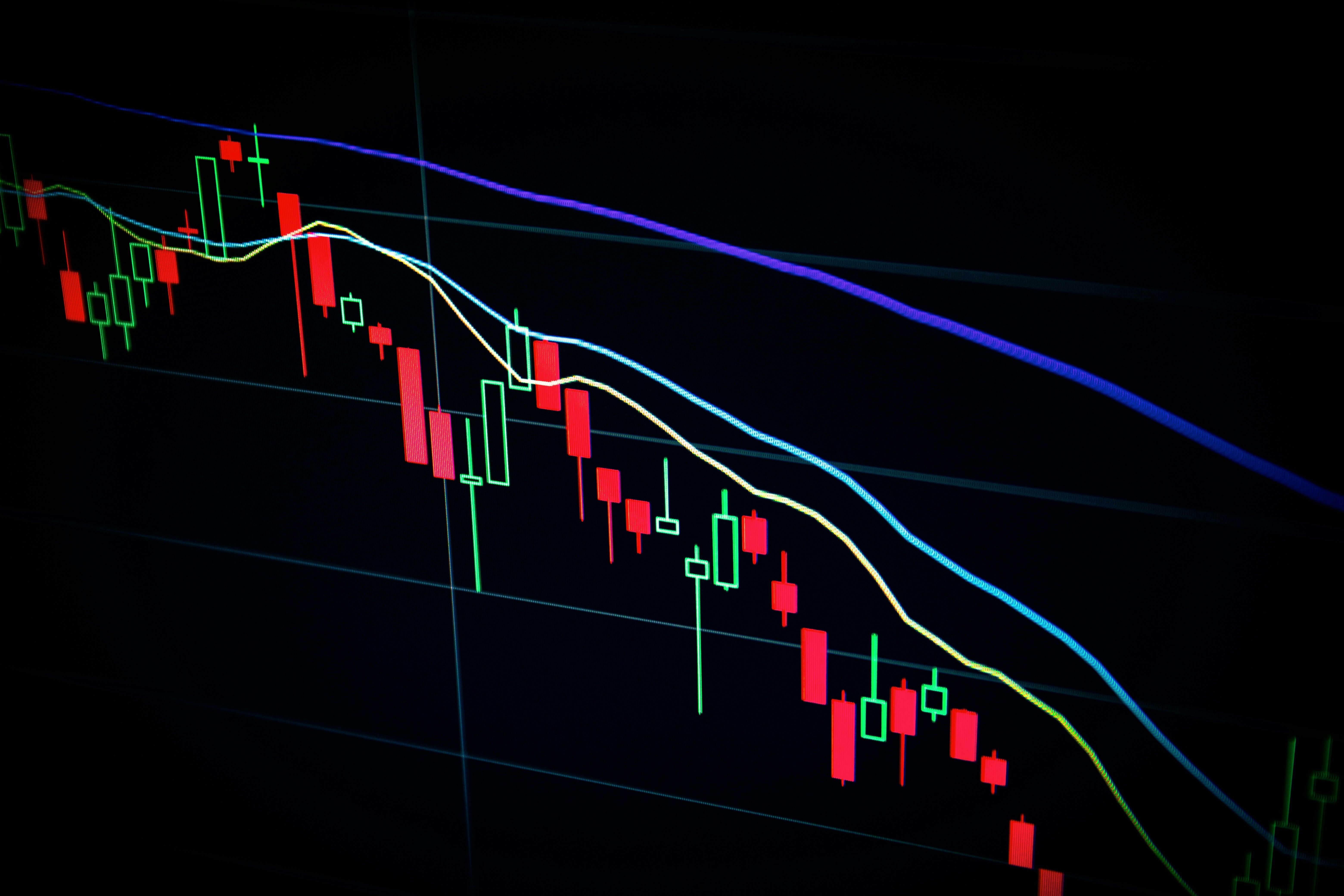
This involves studying price charts to predict future movements. Traders use candlestick patterns, support and resistance levels, and indicators like RSI and MACD.
Fundamental Analysis (Economic Factors)
This focuses on economic events such as interest rate decisions, inflation, and geopolitical developments. For example, changes by central banks like the US Federal Reserve can move the entire forex market.

4. Developing a Profitable Trading Strategy
A trading strategy is a structured plan that defines when you enter and exit trades. Without a strategy, trading becomes emotional and inconsistent.
Popular Strategies Explained:
- Scalping: Making multiple small trades within minutes. Requires speed and discipline.
- Day Trading: Opening and closing trades within the same day to avoid overnight risk.
- Swing Trading: Holding trades for days or weeks to capture bigger price moves.
- Smart Money Concepts: Advanced method focusing on institutional trading behavior and liquidity zones.
The key is not to try everything at once. Choose one strategy, test it, refine it, and master it.

5. Risk Management (The Survival Rule)
Risk management is the most important part of trading. Many traders fail not because their strategy is wrong, but because they risk too much.
Core Risk Principles:
- Risk per Trade: Never risk more than 1–2% of your account.
- Stop Loss: Always define your maximum loss before entering a trade.
- Risk-to-Reward Ratio: Aim for at least 1:2 (risk $1 to make $2).
- Capital Preservation: Protecting your account ensures long-term survival.
Advanced traders focus more on protecting capital than chasing profits.

6. Practicing with a Demo Account
Before trading real money, a demo account allows you to test strategies in a risk-free environment. This step builds confidence and helps you understand how markets move.
However, treat demo trading seriously. The goal is to develop discipline and consistency—not just experiment randomly.

7. Advanced Forex Insights (Professional Level)
Once you master the basics, you move into advanced trading concepts used by institutions.
Advanced Concepts:
- Market Psychology: Understanding trader emotions like fear and greed.
- Liquidity Zones: Areas where big institutions place orders.
- Session Trading: Trading during London & New York sessions for high volatility.
- Order Blocks: Identifying institutional buying/selling zones.
At this level, trading becomes more about understanding market behavior than just using indicators.

Final Thoughts
Forex trading is a journey that requires patience, discipline, and continuous learning. Whether you are in Nairobi or anywhere in Kenya, success comes from consistency—not shortcuts.